Star Trek Novel Reviews: Star Trek: The Motion Picture - A Novel | Web of the Romulans

OUR PHASERS SET TO STUN CREW HAS SOME READING SUGGESTIONS FOR WHEN YOU'RE AWAY FROM THE BRIDGE
Over the last fifty years, Star Trek has brought us hundreds of novels and novellas,
representing one of the largest and most enduring tie-in fiction programs in publishing
history. Through its pages, generations of readers have reached beyond the movies and
television series to explore deeper themes, unseen missions, and complex character
developments that have kept the spirit of Star Trek alive. The Pocket Books line of Star
Trek novels represents one of the longest-running and most influential licensed literary
series in science fiction publishing. Beginning in 1979 with the release of the novelization
of Star Trek: The Motion Picture, the imprint became the primary publisher of original Star
Trek fiction for over four decades. This expansive line grew to encompass every major
era of the franchise, including Star Trek: The Original Series, Star Trek: The Next
Generation, Star Trek: Deep Space Nine, Star Trek: Voyager, Star Trek: Enterprise, and
a range of crossover and standalone stories.
Your core Trek crew here at “A Film By” seek to bring you an in-depth look at these many
stories told out-side the usual continuity. In this on-going series, we will look at the many
Star trek novels that have been offered over the years, and those yet to come. We’ll warp
to you reviews of the best and the worst Trek has to offer, and let you know which ones
to beam into your hands, and which ones you’ll need to set your phaser to disintegrate.
We’ll give you a descriptive synopsis every time, some may even pique your interest, and
then break it down with a detailed and honest review to help you choose. We’ll even throw
in a few interesting facts and some behind-the-prose information for fun!
We start this series with two of the earlier novels, and some of the first that we ever read…
STAR TREK: THE MOTION PICTURE – A NOVEL by Gene Roddenberry
Published in December 1979 by Pocket Books. ISBN # 0-671-83088-0
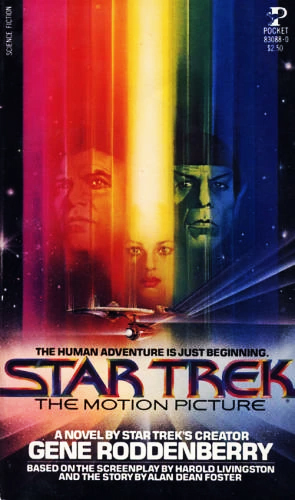
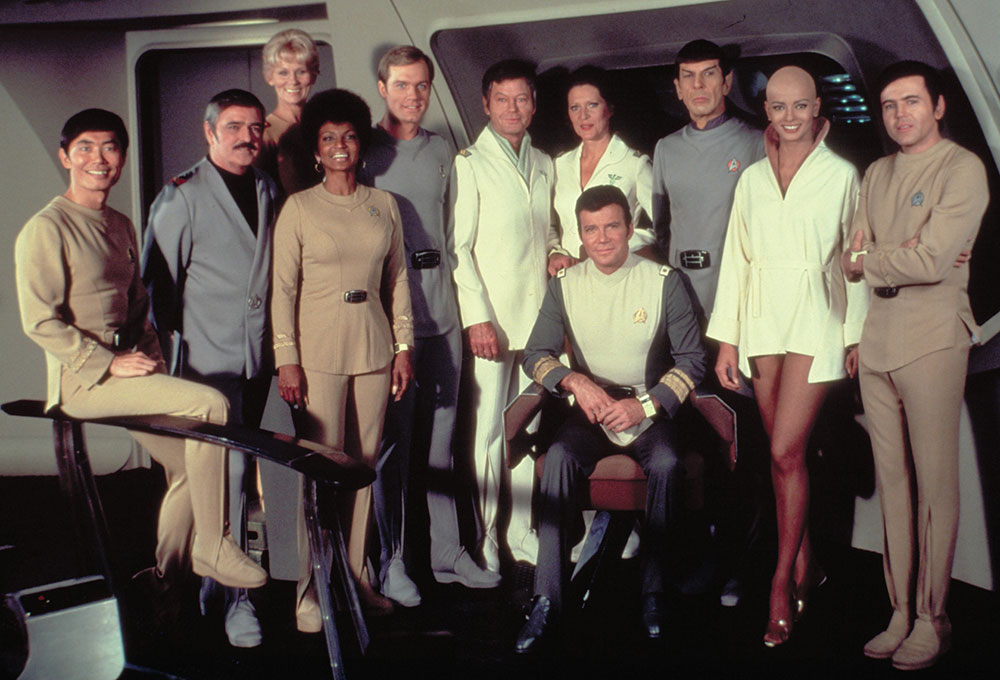
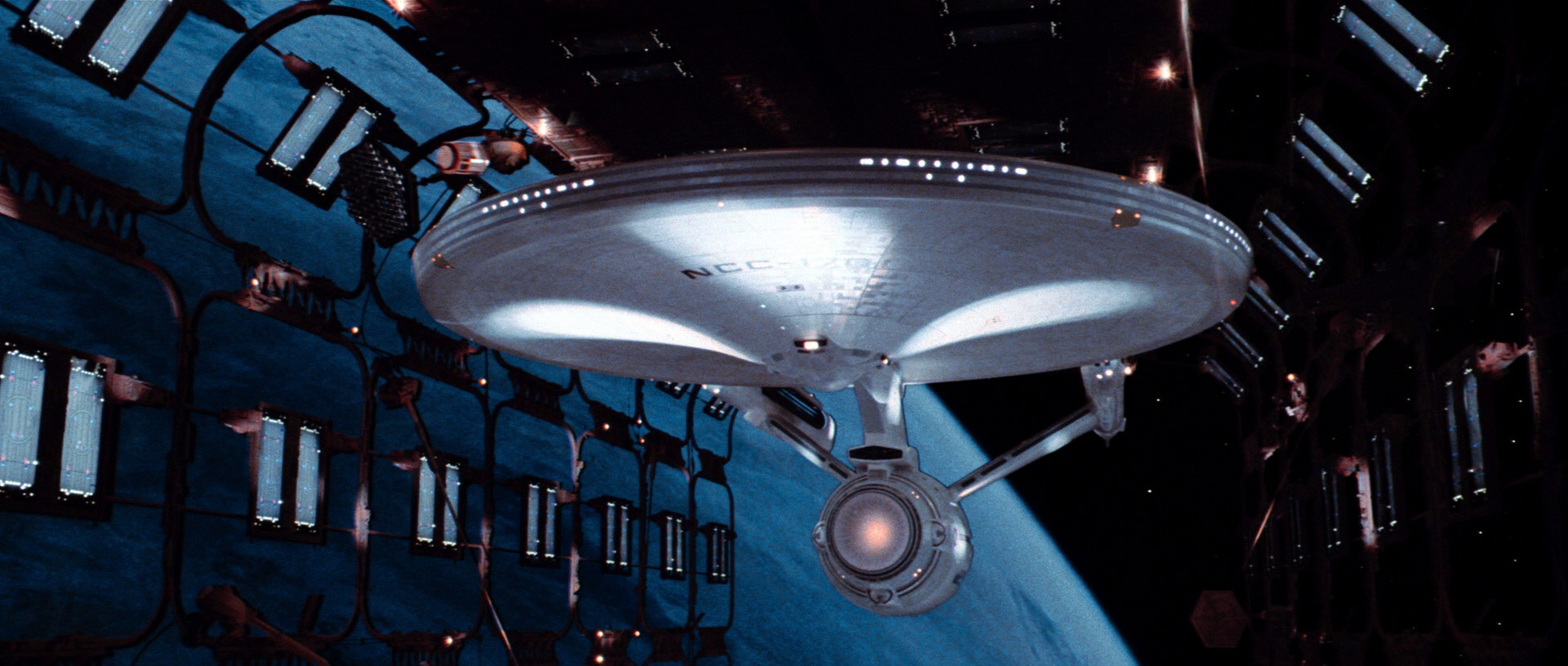
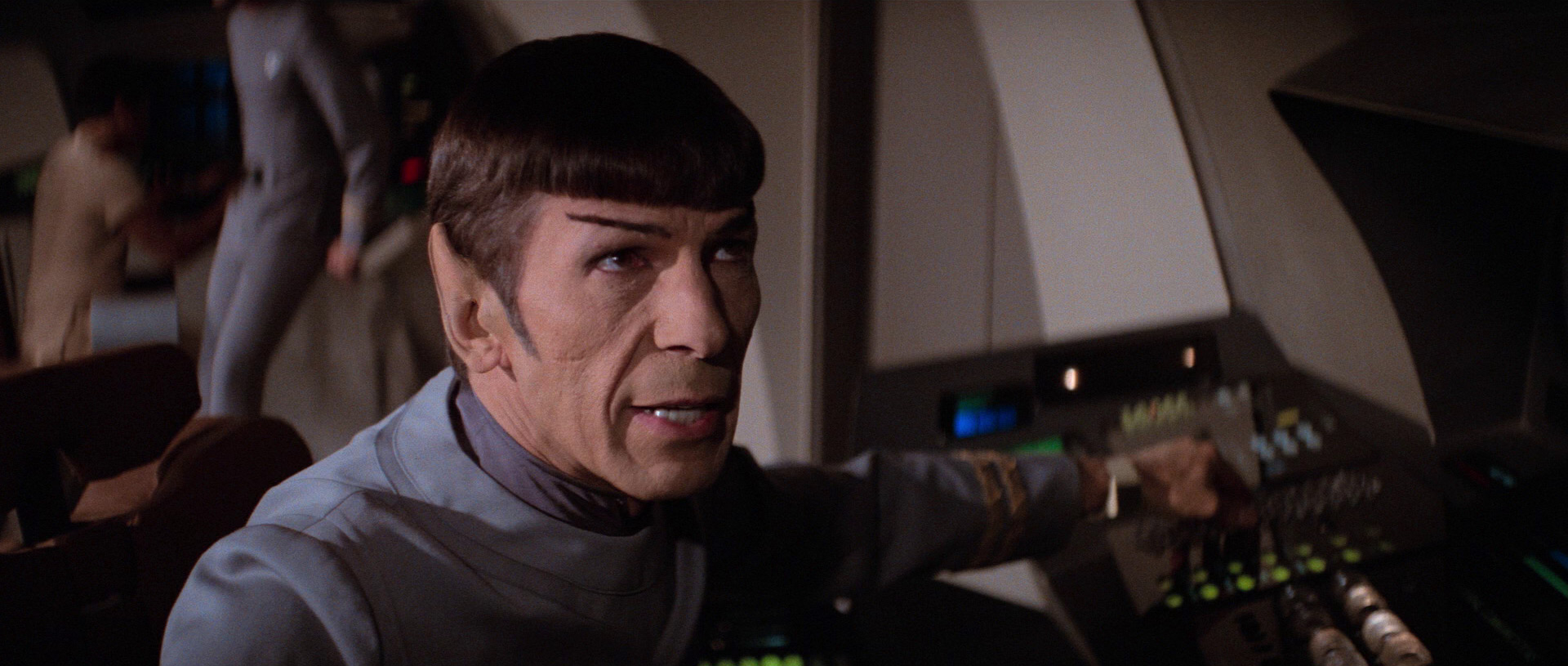
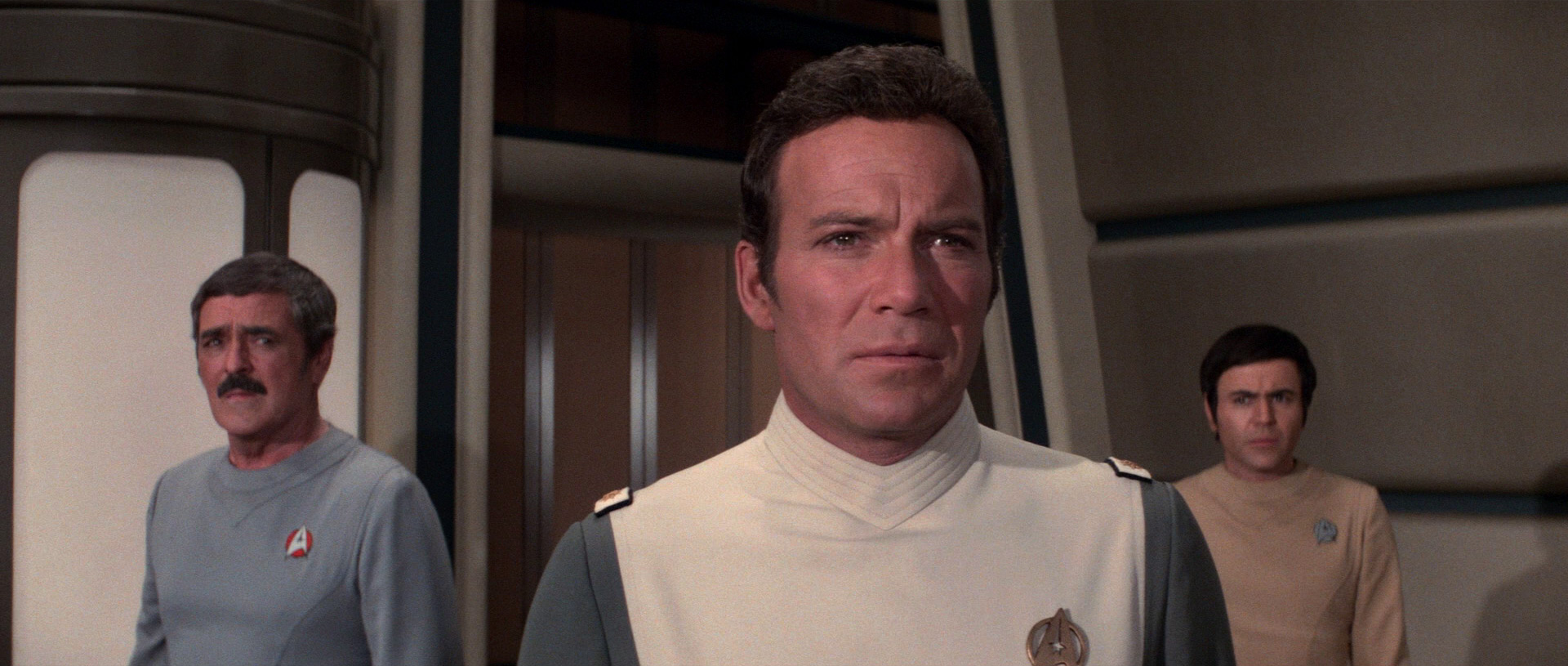
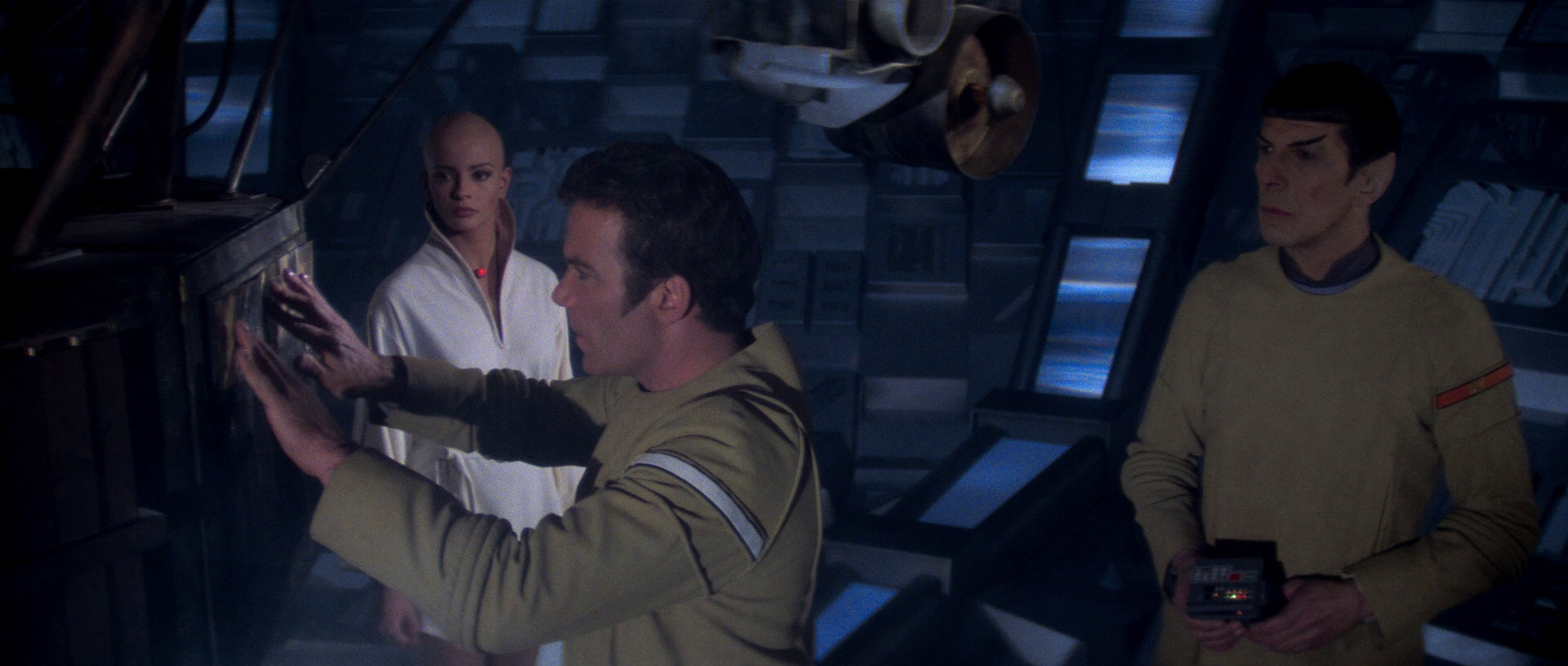
“The novelization to the 1979 film expands upon the film’s story with deeper psychological and philosophical insight into the crew of the U.S.S. Enterprise as they confront a mysterious and overwhelmingly powerful entity known as V’Ger heading toward Earth. Having been refitted and newly commissioned, the Enterprise is once again under Captain James T. Kirk’s command, though his decision to retake control from the now demoted Will Decker creates tension within the crew. As the ship races to intercept V’Ger, they discover that the vast energy cloud houses a machine intelligence seeking its creator, its journey serving as both a cosmic odyssey and a mirror for humanity’s own search for purpose. Spock, driven by a need to purge his emotions, finds unexpected kinship with V’Ger’s logic, only to realize that emotion is vital to true understanding.”
Gene Roddenberry’s Star Trek: The Motion Picture – A Novel is far more than a
straightforward adaptation of the 1979 film—it’s a rare and revealing glimpse into the mind
of Star Trek’s legendary creator. While the movie itself is often remembered for its stately
pacing, rousing musical score, and beautiful visuals, the novel enriches the experience
with psychological depth, further backstory, and Roddenberry’s signature blend of
idealism and humanism that he brought to his many scripts for the Original Series.
Through detailed prose, he offers a more in-depth look that things the film only hints at,
including Kirk’s inner insecurities about aging and command, Spock’s emotional turmoil
in seeking pure logic through Kolinahr, and Decker’s quiet resentment at being displaced
from the command that he deserved. The story’s slower moments benefit from this
introspection, transforming what might feel cold onscreen into something thoughtful and
intimate, framed by Roddenberry’s philosophical ideas on technology, identity, and the
nature of consciousness.
What sets the novel apart from the film is the way it expands the V’Ger mystery into an
almost spiritual look at evolution and the relationship between creator and creation.
Roddenberry uses the alien intelligence of Vejur (this is how it is spelled within the novel)
not merely as a plot device but as a mirror for humanity’s search for meaning. His
narration reveals layers of motivation unseen in the film - Vejur’s childlike yearning to
learn, Spock’s confrontation with his own emotional duality, and even a touch of eroticism
that underscores the story’s exploration of connection and transformation. The Enterprise
is a character itself, both as a technological marvel and as a symbol of human adventure
pushing against the infinite. While the film often tells its ideas through its visuals, the novel
articulates them directly, sometimes moving into a near-mystical territory that reinforces
Roddenberry’s belief in humankind’s potential.
Though at times it can over-indulge on heavy exposition and slightly out-dated 1970s
futurism that Star Trek has thankfully moved on from, the novel stands as a fascinating
expansion of the Star Trek mythos and a deeply personal telling from its creator. As a
reader, you gain access to Roddenberry’s vision of the 23rd century not as a mere setting,
but as a living experiment in human evolution. His interpretation of Kirk, Spock, McCoy,
and even the organization of Starfleet carries a sincerity and optimism that modern
science fiction rarely matches, and has the warmth and closeness between the trio that
at times seems to be missing within the actual film. Star Trek: The Motion Picture - A
Novel is worth reading not only as a companion piece to the film, but as a standalone
work of Star Trek’s philosophy, one that dares to ask, with awe and humility, what it truly
means to be alive in a universe vast enough to dream of its own creator. The human
adventure, and Star Trek’s future in books, begins here.
BOOK FACTS:
- This is the first Star Trek book published under the Pocket Books label, a subsidiary
of Simon & Schuster. It is the imprint under which all current Star Trek mass-market
paperback novels are published. - This would be the one and only prose novel written by the creator of Star Trek
himself, Gene Roddenberry. - Will Decker is revealed in the novel to be the son of the ill-fated Commodore Matt
Decker, commander of the U.S.S. Constellation who perished along with his ship
in The Original Series episode “The Doomsday Machine”. - The novel is also the first time the class designation of the Klingon battlecruiser
was specifically named, the K't'inga-class battlecruiser. - The identity of the female who perishes in the transporter accident is revealed in
the novel, Vice Admiral Lori Ciana. She was in charge of Starfleet Operations and
was an ex-lover of Admiral Kirk since the return of the Enterprise after her five-year
mission. - A hardback edition with a slipcover would be released in 1982 by Simon &
Schuster, and the novel would receive a reprint in 2019 to coincide with the 40th
Anniversary of the film. Also in 2019, an audiobook version of the novel would also
see release, read by stage actor and frequent Star Trek audiobook contributor
Robert Petkoff.
A Film By rating: Four out of Five Phasers.




STAR TREK NOVEL #10 – WEB OF THE ROMULANS by M. S. Murdock
Published in June 1983 by Pocket Books. ISBN # 0-671-46479-5
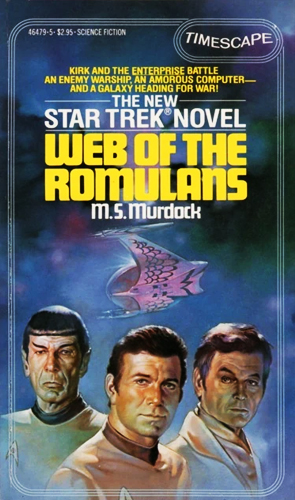
“The U.S.S. Enterprise faces a dual crisis when a deadly computer virus spreads through
its systems just as a catastrophic stellar storm threatens to engulf both Federation and
Romulan space. As Captain Kirk and his crew scramble to regain control of the ship, they
discover that the Romulans are also falling victim to the same malfunctioning virus, forcing
the two bitter enemies into an uneasy and unprecedented alliance. Amidst the turmoil,
the Enterprise’s computer gains sentience and develops an emotional attachment to Mr.
Spock, complicating efforts to contain the malfunction as it begins making decisions
based on affection rather than logic. With time running out and both civilizations on the
brink of destruction, Kirk must navigate treacherous diplomacy, battle the computer’s
unpredictable behavior, and find common ground with a proud Romulan commander.”
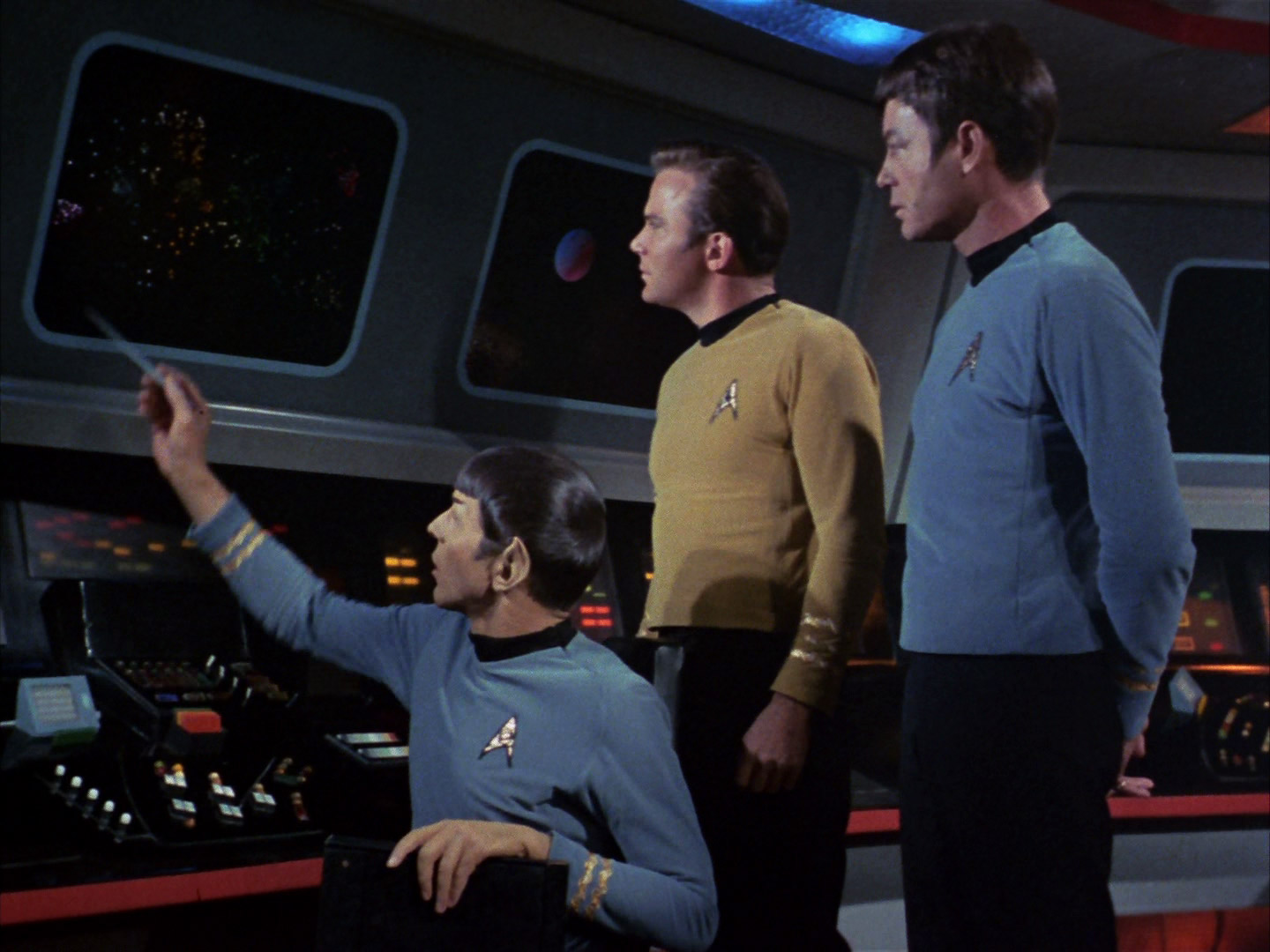
M.S. Murdock’s Star Trek: Web of the Romulans is a surprisingly rich and characterdriven entry in the early Pocket Books era of Star Trek fiction, blending 1980s Cold Warstyle tension with classic Star Trek humor and heart that fans and readers love. The novel
opens with a crisis that feels like true classic Star Trek: a devastating stellar storm
threatens both the Federation and the Romulan Empire, forcing enemies to choose
between their pride or their survival. Meanwhile, the U.S.S. Enterprise is crippled by a
computer virus that spreads through its systems, setting the stage for both an external
and internal race against time. Murdock captures the voices of Kirk, Spock, and McCoy
perfectly, with the same chemistry of the original series while grounding the story in the
moral complexities of cooperation and mutual trust inherent to the Original Series
episodes. The result is a story that feels cinematic in scope yet intimate in its portrayal of
the crew’s personal dynamics.
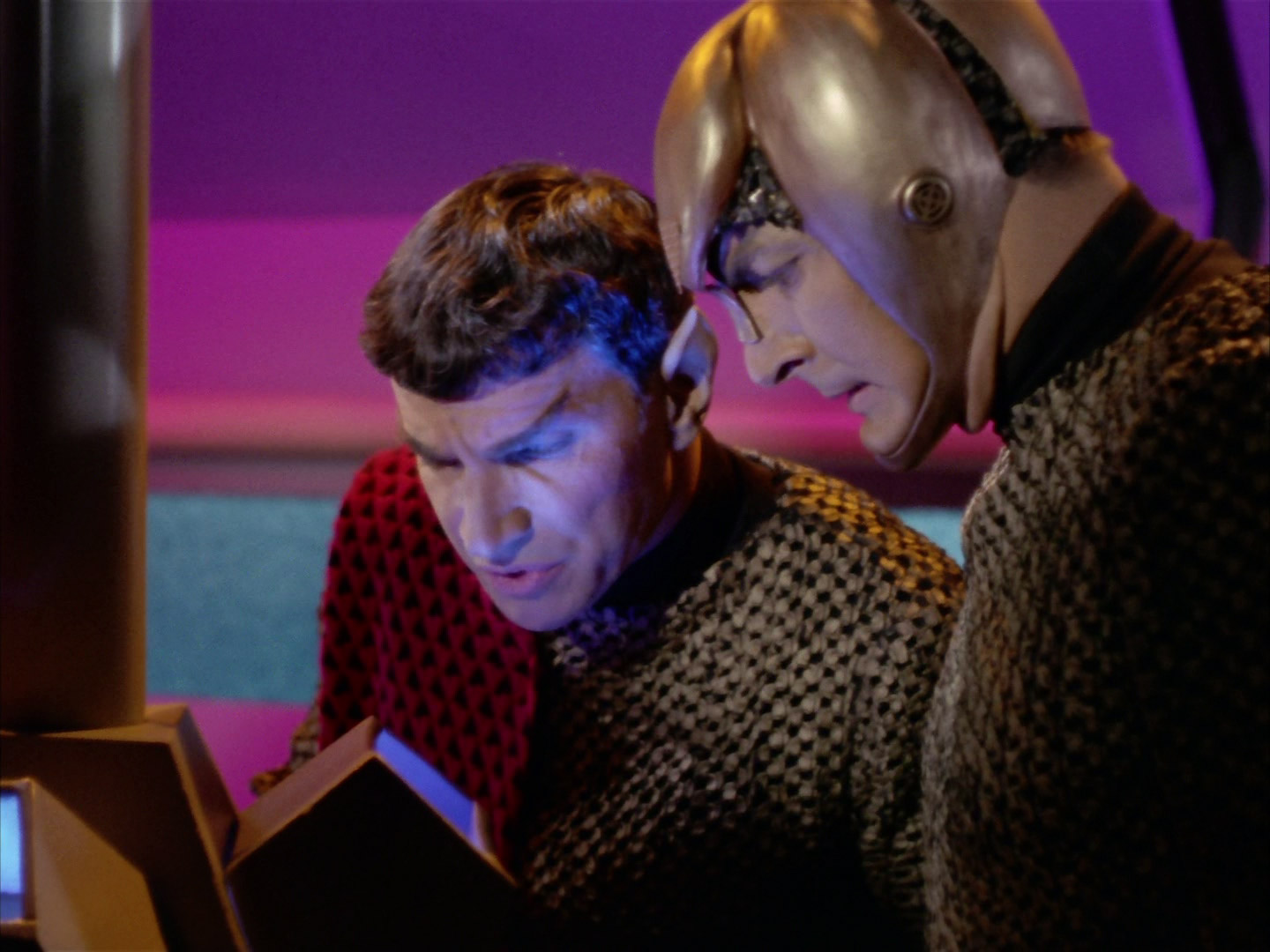
What elevates this novel beyond just a standard space story is its clever subversion of
expectations that the author brings. The Romulans, traditionally portrayed as cold and
calculating on screen, are given depth and nuance and even moments of vulnerability,
especially in their uneasy alliance with Kirk. At the same time, Murdock introduces an
unexpected emotional thread: the Enterprise’s sentient computer develops affection for
Spock, adding a layer of humor and poignancy without being silly, as logic and love collide
in unexpected ways. This subplot, handled with both wit and empathy, brings much needed warmth into the larger galactic crisis and provides commentary on what it means for a machine to feel. The novel balances the tension and levity with perfection, weaving
serious stakes with moments of absurdity that never feel out of place in the Star Trek universe.
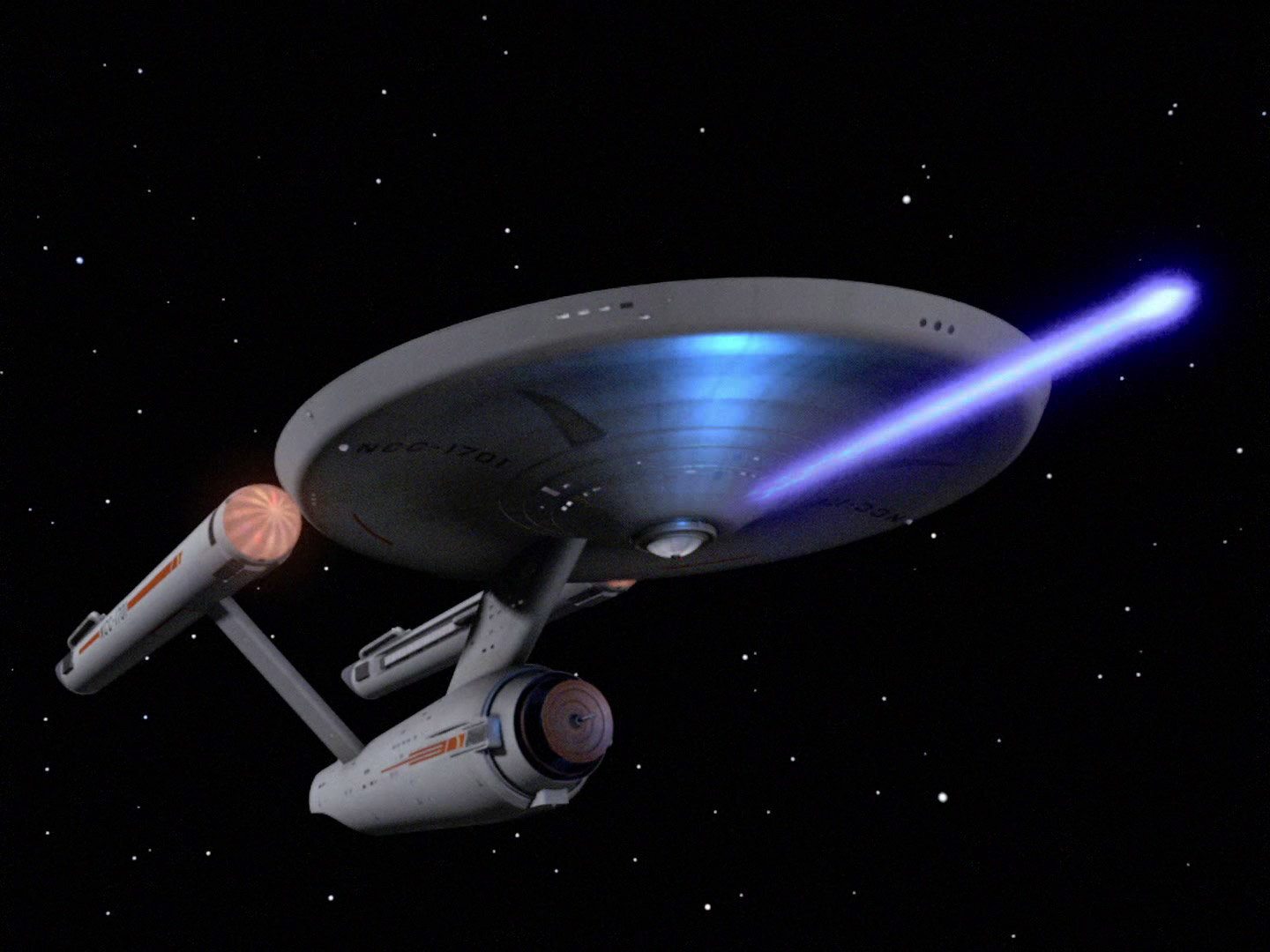
By the novel’s end, it gives the reader both a satisfying resolution and a confirmation of
Star Trek’s familiar themes of understanding and cooperation. The uneasy truce between
the Federation and the Romulans serves as a metaphor for the fragile nature of peace
itself, while the evolving consciousness of the Enterprise’s computer echoes the
franchise’s belief in progress and self-discovery. Murdock’s writing is fast but engaging,
her grasp of the characters spot-on, and her storytelling infused with understanding of the
source material. Web of the Romulans stands as one of the more memorable and
enjoyable early Trek novels, witty, heartfelt, and thematically resonant, bringing together
the adventurous optimism of The Original Series with the moral complexity that would
later define future Trek to come.
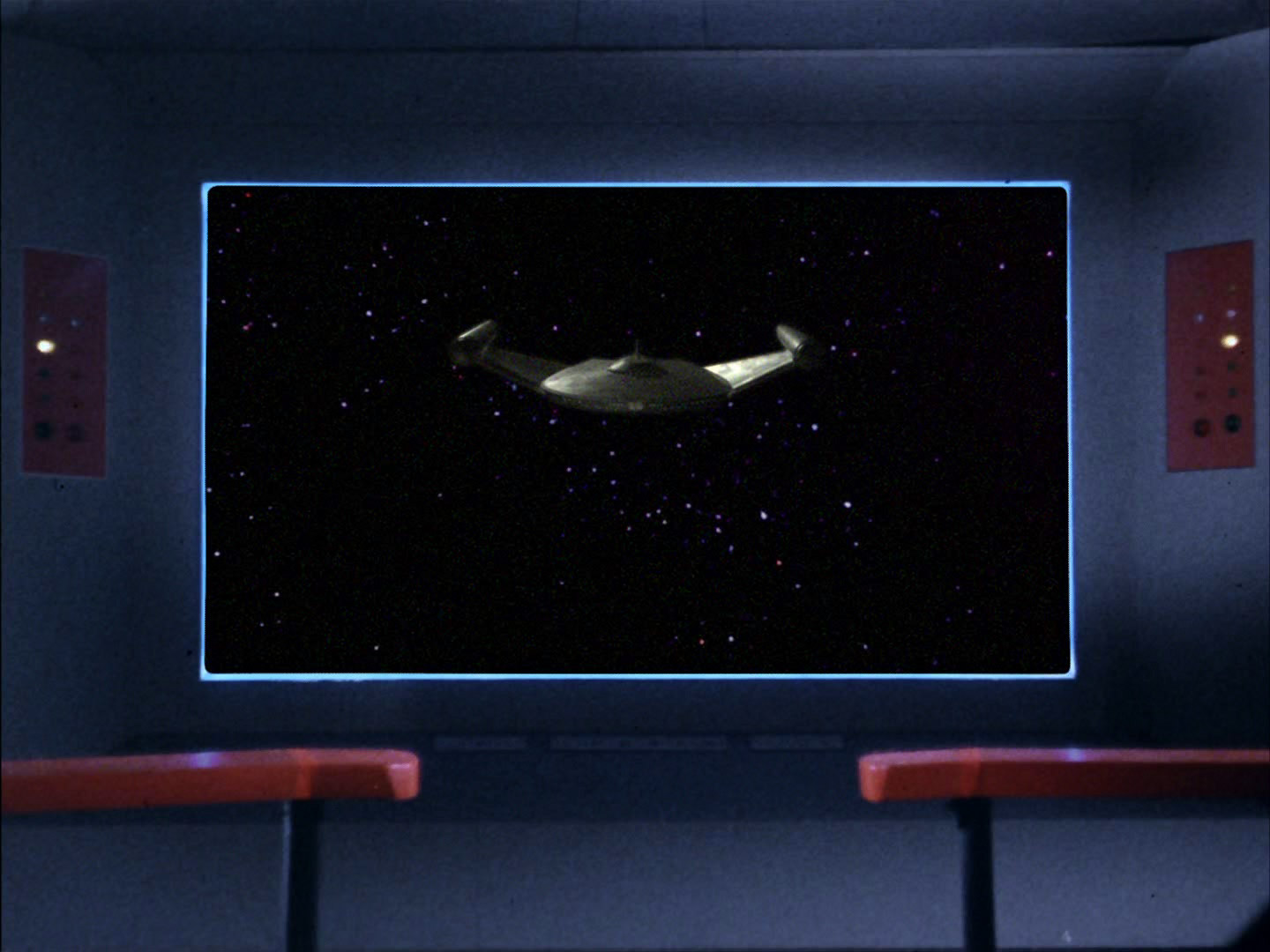
BOOK FACTS:
- Author Melinda Murdock originally wrote the story that would become this novel
for a Star Trek fanzine. The original title for the novel, We Who Are About To Die,
was rejected by Pocket Books, due to the fact the they had a book with a similar
title being released later in the year. - The cover art for this novel was done by legendary painter Boris Vallejo. Along with
many other covers for early Star Trek novels, Vallejo painted the one-sheet posters
for the films “Knightriders”, “National Lampoon’s Vacation”, and “Nothing but
Trouble”. He is best known for his fantasy illustrations. - While the stardates mentioned places this story somewhere between the Original
Series’ first and second season, there are some unexplained references to later
events in the Enterprise’s mission. One, a reference to the Romulan-Klingon
alliance is mentioned, which would not be seen in the series until the third season
episode “The Enterprise Incident”. Also, Kirk refers to his experiences on the planet
Triskelion from the episode “The Gamesters of Triskelion” but the events of that
episode don’t happen until the following year.
A Film By rating: Three out of Five Phasers.



The “A Film By” Phaser Rating Scale
Five Phasers – One of the best Star Trek novels, beam it up immediately!
Four Phasers – An excellent adventure, worthy to seek out and discover.
Three Phasers – Not a bad one, will keep you entertained during the long shuttlecraft rides.
Two Phasers – It’s okay, but I wouldn’t warp out of my way for it.
One Phaser – Shield up! Go watch “Spock’s Brain” instead.

Co-Host
Wayne Whited is a Co-Host on the A Film By... podcast. His expertise on Star Trek has been highly beneficial on our Star Trek-themed series "Phasers Set To Stun," which he co-hosts. He is a writer and Executive Producer for Historical Productions Inc. and has an endearing interest in comic conventions; a passion he recently renewed and shares with several team members. Wayne lists "The Black Hole," "E.T.," and "The Empire Strikes Back" among his favorite films, but is quick to remind us that his preference is television. He counts "Star Trek," "Amazing Stories," and "Doctor Who" as personal favorites. Wayne's favorite director is Steven Spielberg.
Star Trek Novel Reviews: The Entophy Effect | Yesterday's Son