The Music of John Debney: Our Top 5 Favorite Scores

 Apple Podcasts

 Spotify

 Goodpods

 Pandora

 Amazon Music

 iHeartRadio

 Castbox

 Deezer

 TuneIn

 Podcast Addict

 Podchaser

 Spreaker

 JioSaavn

 Castro

 RSS Feed
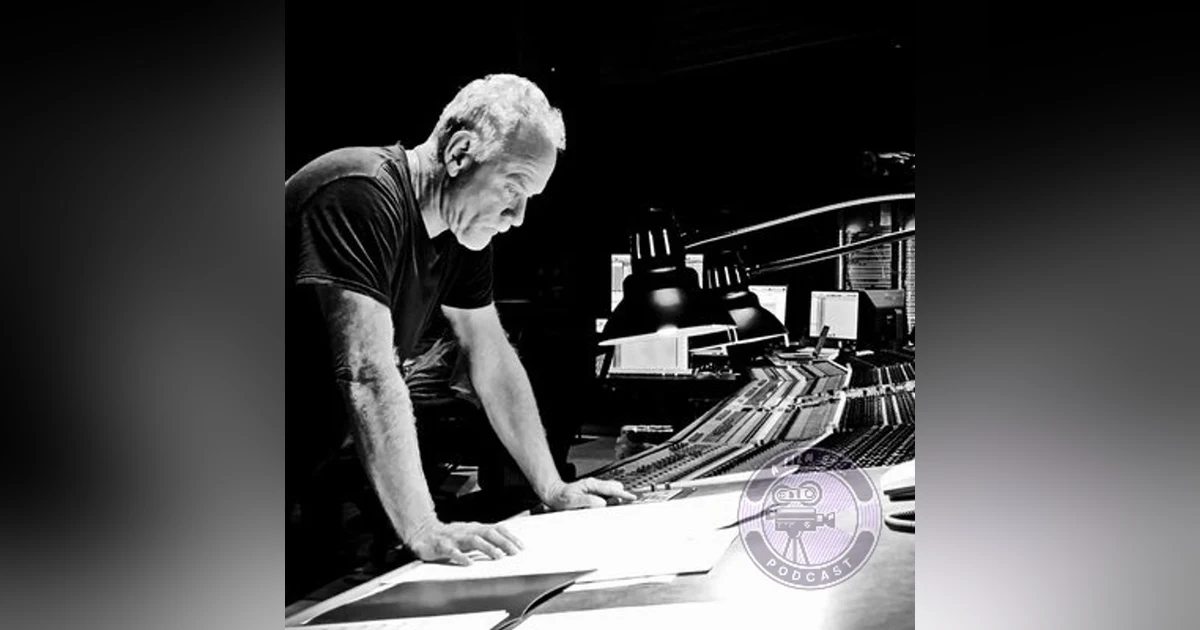
Wayne and David discuss composer John Debney and offer their top five favorite scores from his film and television work!
This episode is available AD-FREE on our Patreon now! Get started with a FREE 7-day trial. We've got plenty of exclusive content and episodes that you'll only find there! You can also sign up as a free member!
Watch the episode on our NEW YouTube Channel and subscribe now! Our new series Previously On... is exclusively available over on YouTube to cover your favorite TV shows, and ours!
Connect with us on social media and our website!
0:05 A quick rundown of amazing directors. Some this show has yet to focus on. Talking about John Favreau, Robert Rodriguez, Mel Gibson, Gary Marshall, Ivan Reitman, Brenda Chapman, Rennie Harlan, Joe Dante, and of course Kevin Costner. One thing they have in common is that they've all worked with the incredible composer that is the subject of this episode. Let's talk about the music of John Debney and share our top five favorite scores. Hey, everybody. I'm Jeff Johnson.
1:10 I'm David Burns. And I'm Wayne Whited. And this is A Film By Podcast. Guys, great to see you again, especially for the kind of episode we're doing. I love when we do these composer episodes. I absolutely love it. It's been a while, so I'm excited to get going. It has. It has. Well, before we jump into our top five favorite scores for John Debney. I know we're going to talk a little bit about John Debney. I think we're going to talk a little bit about his television work. Uh, I know you guys, I think maybe, I know you guys love this composer. Oh yeah. And I'm excited to hear, I'm excited to hear your picks, but before we do that, just a quick little bit of housekeeping. And I'm talking to you listeners or watchers, watch it, watchers. I don't, I don't know. It sounds stupid.
2:00 All the above. Listen, We would love for you to check out the show on YouTube. Head over to YouTube.com at A Film By Podcast. We've got a lot of cool video stuff we're doing now. We're doing these celebrity interviews, Dave, which is kind of awesome. They are. I love them. We do the episodes. We do the shorts. We do all the fun stuff that YouTube allows you to do. All we need is for you guys to check it out. And please, if you like what you see... just hit that subscribe button. It costs you nothing. And definitely, definitely helps us out with these, uh, these algorithms and YouTube, uh, rules and regulations. So we can, we can get the word out right there.
2:46 That's right. Help us out, please. Yes. Meanwhile, Wayne, uh, what might cost you something? Uh, head over to Patreon, uh, patreon.com slash a phone by podcast. We have got all of our exclusive content, uh, And guess what? Some of you are listening to this episode on Patreon right now. For that, we thank you. We love your support. Definitely keeps the lights turned on. Over on Patreon, that is where we have all the exclusive content. And the library is stacking up there. And guess what? You will always get the episodes early and ad-free. And in most cases, Dave, loaded with extras. What was that?
3:29 We did like a... 40 extra minutes on the. V for Vendetta. V for Vendetta. 45 minutes extra. Yeah, we had Bill Bant with us from the All 80s Movies podcast. Yeah, it was a good time. We had some fun conversation. Wayne sometimes gives us very extended soundtrack sessions. He does. On those episodes, so. Only for Patreon members sometimes. Yeah, sometimes. Check it out. So as we said, we've done, it's been a while for these. I know earlier this year, you two shared your top five favorite film scores by John Williams. Very popular episode with our listeners. And then David, you and I swapped chairs and I got to join Wayne to share our top five favorite film scores by John Carpenter, which was another very popular episode for our listeners. Yep. Now, before we begin the top five for John Debney, I'd like to infuse this episode with a little bit of our regular show. Therefore, I've got for you guys three things you may not know about this composer. And a quote, John Debney attended his first concert in August of 1964 at the Hollywood Bowl. Either of you hazard a guess as to who he went and seen? Well, yours wasn't it.
4:46 1964. August of 1964 at the Hollywood Bowl. Who did John Debney go see? This was his first concert experience. I know who it is. You do? I do. I mean, I could only guess. I'm not really certain. It's not a composer. It is not a composer. I'm willing to bet a 99% chance I'm correct on this. The Beatles. The Beatles. The Beatles. Uh, Wayne, you, you, you want to hold Dave's hand on this, on this answer. Cause he is correct. Yeah. He went and saw the Beatles, man. Uh, shout out to our buddy, deaf Dave, uh, deaf Dave's apples and oranges. That's the, he did that limited run where it was like beach boys versus B, uh, versus Beatles. So yeah, if you like, if you're, if you're a beetle fan, like John Debney, uh, check out deaf Dave's apples and oranges. Uh, you'll learn a lot about the Beatles. You'll learn a lot about the beach boys, but let's learn a little bit more about John Debney. Um, Wayne, you know all about Henry Mancini. He's an amazing composer.
5:42 Oh, yeah. Fantastic. Yeah. He is one of Debney's most revered composers, citing Mancini's score for the Pink Panther among his favorites. I can see that. It's a great score. Very catchy. Very catchy music. I'm hearing it in my head right now. I know. It's playing now. Thanks. It's going to be stuck in my head all night now. Let's put it in the listener's head. Okay. Here we go. Yeah. There it is. There it is. Okay, and this one, I'm sure you guys know. He's won three Emmys from eight nominations, was nominated for an Oscar for his Passion of the Christ score. I say nominated because he did not win. And to be fair, he found himself up against James Newton Howard, Thomas Newman, Jan A.P. Kazmarek, and John Williams.
6:40 Some big names there. Yeah, that was a rough year. But just to be nominated is incredible. Alongside those names? Hell yeah. Alongside those names. Now, do either of you recall who took the Oscar in 2005 that Dabney did not get? It wasn't Williams, I know that. No. It was not John Williams for his The Prisoner of Azkaban score. Wayne, it was not. Thomas Newman for, I believe he did, what was it that he did that year? Oh. Lemony Snicket, I think it was. Really? Well, that's what, I mean, he, that's what Thomas Newman did.
7:21 I'm not saying he won. Right, right, right. No, it was, no, it was Jane Kaczmarek's score for Finding Neverland that took the Oscar. Ah, okay. That's a good movie. As Wayne, yeah, it is. Great movie. As Wayne said, just an honor to be nominated with that group. Hell yeah. Um, Quote for you. When discussing film sets, John Debney had this to say, I hate, hate being on a movie set. It takes about five hours just to light the thing. You've got a valid point. He does. Listen, let's not tell our newfound friend, cinematographer Dean Cundey, how John Debney feels. He had... Well, that interview we did with him at Scarefest, he had some amazing insight into how important light is. He did. Yeah. Debney probably not wanted to hear it. He just wanted to shoot the damn thing.
8:19 Well, they all need each other, right? They do, yeah. Absolutely. One more thing. I chose two films that feature John Debney scores, and I just wanted to see if you guys could guess the titles. And, of course, I have a five-word synopsis For them both. Of course you do. Of course. Yeah. Let's make this a little interesting. We're like two weeks away from packing up the vehicle, heading to Steel City. Yeah, we're heading to Pittsburgh. Pittsburgh listeners, if you're there, are you going to Steel City? Let us know, please. Email us. Tell us.
8:59 Yeah, we're going to be at Steel City. Steel City Con, Pittsburgh, the Monroeville Mall area. So given that we're heading to Steel City, I can only assume that we're going to have dinner at Burgatory. We are. Okay. All right. So here's what I'll do for you guys. Oh, yeah, definitely. Okay. So here's what I'll do for you guys. I'm going to give you a five-word synopsis for these two movies. You guys, you can work together because you're a great team. You get these two right, I'll buy dinner at Burgatory. How's that? You have everything to gain and nothing to lose. I suck at trivia a bit. It's the five-word synopsis. You're a master at this. You're a master at creating them. Are you a master at figuring them out, though? All right. Again, remember, these movies obviously feature film scores by John Debney. So here's your first one, and we'll let the listeners play along. Football...
10:00 saved by scab players. Sure. This movie was actually... Yeah, football... The replacements? That is correct. I wasn't even going to leave it in suspense. Wayne. Wayne, who does not watch football, just nailed it. You know what it is, Dave? Wayne listens to a film by a podcast, and he knows that last season, Garrett and I talked about The Replacements. It was a Howard Deutsch film. So you guys are right. Yes, and I did a soundtrack spotlight about it. You did? I did a soundtrack spotlight for it, too. Oh, you know what? I completely forgot you did that for that episode. Wah, wah, wah. This was an easy one for Wayne. Okay.
10:40 It's going to get tough now, though, because... You're one for. One here. Let's see if you can go two for two. My next one, five-word synopsis. Headstrong GM rebuilds Cleveland football. Another football? Yeah, well, it's football season, man. It is. I can't argue with that. I can't argue with the fact that John Debney likes to do scores for football movies. Headstrong GM rebuilds Cleveland football. A movie I would love for us to cover, by the way. I'm leaning on you, Wayne. He's leaning on Wayne, who does not watch football. Yeah, it's on the tip of my tongue, though. I think I can see the film. Oh, my gosh.
11:26 Do you want a hint? I'll give you one hint, and I'm probably going to give the answer away. He collaborated with his good buddy, Kevin Costner, on this one. Yes. Oh, wow. That's on the tip of my tongue now, too. Right now, I got to believe that there's plenty of listeners that are screaming at you, too. They're screaming at the answer. Yeah, probably are. Yeah. Oh, it's probably going to come to me like halfway through the podcast. It probably will. Oh, boy. I can see. We don't have that kind of time. We don't have that kind of time. You know, they have amazing milkshakes there. I'll at least buy you guys a milkshake since you got one.
12:10 Gee, thanks. Well, it's not my fault that you can't figure out that the headstrong GM rebuilds Cleveland football. We can't have... Oh, look at that. Wait, judges, did he get that in? He got that in. At the buzzer, Wayne gets drafted. Yeah, okay. The replacements and draft day. I guess I'm buying dinner at Purgatory. Yeah, Wayne. That's... Pretty impressive. I have both those soundtracks. I just listened to that one like a couple weeks ago, too. Well, I guess the small fortune I won on DraftKings yesterday is parlaying over to you guys at dinner at Burgatory.
12:53 All right. I know we've got to take a quick break, but before we do, I just want to ask a quick question. Wayne, we'll start with you. Do you remember the first film or TV project that made you take notice of John Debney? I had seen his name before, but the first time I actually noticed his music and said, hey, this is good. I want to check it out was Sequest DSV, without a doubt. The pilot episode of Sequest DSV is absolutely phenomenal. Incredible music. I'd seen his name in other things. I remember seeing his name on Justin's movie. I saw that in the drive-in, but it was definitely Sequest for me. I'm going to save mine because it's in one of my top five that I'm going to talk about.
13:36 Oh, I think I know what it. Is. Wayne mentioned Sequest, and I'll be honest, I've never seen a single episode. I now want to see it just because of our buddy Michael Ironside. Listeners. Well, Patreon listeners got to find out about that story. They got the raw story. We were safe. We only told it To the Patreon listeners. But if you're listening on Patreon right now and you didn't listen to the V for Vendetta episode with Bill Bant, just skip to the very end. At the very end of the episode, we talk about it. And if you have not, if you're not on Patreon, it might be a good time to start that free seven-day trial. Just go to the V for Vendetta episode if you want to hear an amazing podcast. Michael Ironside story that involved me and Wayne and Dave.
14:38 Trust me. On that note, guys, we are going to take our first break. We'll be back right after this. All right. Let's start the top five for John Demney. Wayne, your top five pick. All right. Well, I'm going to start my list with. And what I consider one of Debney's fantastic and very early horror scores. And that would be the 1997 Peter Hyams directed film, The Relic. Great movie. Yeah, it is. You know, Debney's score for The Relic is a really terrific example of how much atmosphere a good orchestral score can bring a monster movie because that's what it is. It's a monster movie. But he does a great job establishing a dark and a very unsettling mood.
15:36 He uses a lot of low strings, some very ominous brass, wonderfully eerie orchestral textures throughout the whole thing. It paints the picture along with what you see on screen that there's something just lurking just right out of sight. Real sense of mystery running through the music, especially the earlier sections of the film where We're still trying to figure out exactly what's happening inside the museum. Dabney doesn't rush to give us any big, loud horror music that we're familiar with right away. He builds the tent. The orchestra creates a very uncomfortable atmosphere. But when the creature finally is seen and makes its presence known, then the music becomes aggressive. Pounding percussion, sharp brass accents, and some really, really suspenseful writing. It's one of those scores that makes you feel as though the danger is just right around the corner, and that's why I love it so much.
16:32 What I particularly enjoy about The Relic is that Debney approaches it as a full-blooded orchestral adventure. He really knows how to make that orchestra work with the characters running for their lives, trying to survive another encounter with the creature. It's one of my favorite of his earlier scores. It really gets under your skin, and he does a wonderful job of accomplishing that putting you on the edge and making you just want to hear more and more all the way to the end. A couple of cues I want to point out is first that opening cue called The Ritual. It's a terrific opening cue that establishes the score's dark atmosphere and introduces the unsettling three-note musical idea that runs throughout most of the score. There's a lot of ominous strings and tension building there. Plus, there's a three-part cue in the middle called Electrical Work, Hammered Steel to Effect. which is a particularly effective sequence that combines suspense, pounding, orchestral passages, and some of Debney's most unusual musical textures.
17:32 And then finally, I have to mention another one closer to the end, Striking Back and Face to Face. This accompanies the climatic confrontation with the creature inside the museum. It's the extended action sequence for the final portion of the film, And it's the biggest musical payoff for the entire hour. It runs almost eight minutes. But it's intense. It's action-packed. It's got that, you know, some of that horror shock to it. Some massive orchestral attacks. Just absolutely incredible. Dave, that was pretty informative. Anything to add about his work on The Relic? Well, I mean, The Relic was going to be my honorable mention. So it is something that I consider as one of my favorite horrors. films that he has done Wayne mentions Face to Face that's the standout track for me because I consider that as the Ripley Escaping the Aliens track because it captures that same desperate pulse pounding energy that we got when Ripley was trying to escape you know the planet so you know I often go back to that track when I am writing like that fast paced action scenes That is the one I always pull over to listen to it. So, yeah, I agree with Wayne. I think the Relic is a really good score.
18:54 You just dropped your honorable mention right at the get-go. I'll be paying attention. Don't think when we get to honorable mentions, you're going to try and sneak another one in there. I won't, I promise. I'll be listening. I'll be paying attention. Dave, let's pay attention to your number five pick. What are you starting with? Few family feuds in American history are as famous as the Hatfields and McCoys. A story that remains deeply rooted in Appalachian folklore and culture. As I don't know if anybody knows, but the History Channel did a series on Hatfields McCoy starring Kevin Costner, Bill Paxton, Tom Berenger, Powers Booth, Mayor Whittingham, and Jenna Malone. Quite a cast, I might add. Gosh, yes.
19:35 It's a powerhouse ensemble for a television event. And the series more than lived up to expectations. Equally impressive was the score by John Devney. which stands among, in my opinion, the finest works ever composed for television. For this project, Debney collaborated with Tony Morales, and together they created a score that beautifully captures both the intimacy of the story. The music seamlessly blends traditional Appalachian folk sounds with lush cinematic orchestration, creating a soundscape that feels authentic to the region. while remaining emotionally powerful on a dramatic scale. Morales contributes on acoustic guitar, resonator guitar, mandolin, and other folk instruments are essential to the score's identity, while Debney's orchestration and thematic development provide the sweeping cinematic framework. The partnership results in a score that feels deeply rooted in the hills and valleys where the story unfolds. What makes this soundtrack so effectively is its ability to convey the full range of emotions that define the feud. Throughout the album, listeners can hear the pain, loss, anger, heartbreak, loyalty, and love experienced by both families. The music never takes sides. Instead, it reminds us that tragedy touched everyone involved. There are two songs on here. It's The Long Road Down, which is sung by Liz Scott, and I Know These Hills, which is sung by Sarah Beck. You know, both of
21:06 those songs blend seamlessly with John Debney's work on what he captured for this. You know, Hatton Fields and McCloser represent some of Desney's finest dramatic writing. By combining traditional Appalachian instrumentation with sweeping orchestral storytelling, he and Tony Morales created a score that honors the culture, history, and emotional complexity of one of America's most famous. I agree. It's a fantastic score. I love that miniseries. It was great. Oh, such a great. What Bill Paxton, like Costner, Bill Paxton, Powers Booth, like such an amazing, Dave, just, just listening to that. I'm, I'm ready to, I'm ready to find that. I'm sure it's streaming somewhere. It's gotta be on like History Channel. Oh yeah. You know, their app.
21:47 Yeah, I think it is. And that's back in the days too, when you didn't get those kinds of names for television. No. Holy crap. That was Prestige TV before there was Prestige TV. Like none of the streamers were doing that kind of stuff. Nope. Not at all. Great pick. Great music. Let's move to the number four picks. Let's go back to Wayne. Wayne, your number four pick. Well, number four for me is going to be the score for the 2020 fantasy drama film, Come Away. Come Away? Yeah, Come Away. I've never heard of this movie. Oh, it's a fantastic film, really. But it's one of those that kind of slipped by everybody in the theater. But Debbie's score, it's such a lovely piece of orchestral fantasy music. It's just one of the scores where you can really hear his affection for storytelling and traditional film music.
22:39 Since the movie brings together elements of Peter Pan and Alice in Wonderland, Demi had plenty of opportunities to play with ideas, imagination, adventure, magic. And he makes wonderful use of lush strings, piano passages, playful woodwinds. He gives the music a distinctly storybook quality. reminding me a lot of what Williams did for Hook. Peter's theme, which was introduced in opening and Peter's theme, it's called, is particularly beautiful. It's got a warm, inviting melody that captures the innocence and the imagination of the children in the film. There's also a nice sense of whimsy and cues like Tinkerbell and Golden Hindship and Fairy Story, where Debney lets the orchestra have a little fun, but What I particularly like is that he doesn't make the entire score lighthearted. It does have some generally sad, dramatic moments, and he's very effective of shifting between the childhood wonder that we see and then the emotional weight that happens later on in the film. It's a perfect example of emotional storytelling in music.
23:49 He does a terrific job for it. One of the things that makes Come Away, for me, an enjoyable listen is the variety that he brings to the score. You know, like I said, there's a lot of those wonderfully intimate moments that uses piano and string, and I love piano. But other passages have some very full orchestral arrangements, some playful cellos. There's even choir. You know, he even incorporates some Celtic and Irish musical influences, which kind of adds a little extra layer of charm throughout the schoolwork. But there is another three-parted cue in this film. It's called Through the Rabbit Hole, an off-to-Netherlands sequence. It's a particular highlight.
24:31 It really allows Debbie to gradually build the fantasy elements into something that's much more sweeping and adventurous. It's a beautiful suite of music that he's created. And then at the end, there is the actual suite where he puts together all of his themes into an 11-minute piece of music. It gives you a wonderful opportunity to just sit there, listen, and appreciate the different themes and musical ideas that he's developed. It's a wonderfully beautiful score for an underappreciated but fun and kind of lighthearted and wondrous film. I've got to be honest. One thing I love about when we do these composer episodes with you two, I'm always going to, I think even when we did the John...
25:21 John Williams one. I'm always going to find something. I'm going to discover something for the first time. So, Wayne, you got my interest in this one. The score for Come Away, I'm definitely going to pull that up on Spotify, see if I can't locate it and give it a listen because it's worth it. All right. Dave, your number four pick, sir. I'm sure Wayne's going to smile when I say this one. 1993's Class of 61. Yes. Yes. Class of 61 was a television film with the potential to launch a successful series following a group of young men who graduated from West Point in 1861 as American descended into the Civil War. Starring Clive Owen, Dan Futterman, Josh Lucas, and Andre Brower, the film was produced by Steven Spielberg and also marked the first collaboration between Spielberg and cinematographer Janusz Kaminski. The story centers on friendship tested by the nation's deepest divide as some of the cadets head south to fight for the Confederacy while others remain loyal to the Union. Sadly, the film failed to attract a large audience and never evolved into the series it seemed destined to become. That remains disappointing because the concept had tremendous potential. Despite its short life, one element that unquestionably succeeds is John Debney's score. In fact, this soundtrack served as my introduction to Debney's music, and I have Wayne to thank for that. He introduced me to the score, and even today, listening to it brings back vivid memories of the first time I heard it. Certain soundtracks become tied to specific moments in our lives, and Class of 61 is one of those scores for me. My favorite
26:53 piece from the score is Unquestioning the Open Titles. Dabney creates exactly the kind of theme one would expect for a story centered on the American Civil War. There's a sense of honor, sacrifice, and looming tragedy woven throughout the music. From the very beginning, the score carries a sweeping emotional weight that perfectly reflects the story's themes of friendship, loyalty, and loss. You know, as often the case with Debney's work, the use of choir plays a crucial role. Rather than overwhelming the orchestra, the choral writing enhances the drama, adding a sense of grandeur and reflection. The music gives listeners time to contemplate the bonds between those young soldiers and the heartbreaking reality that war will force them onto opposing sides of the battlefield. The theme is both noble and deeply moving, capturing not only the scale of the conflict, but also the personal costs paid by those within it.
27:47 Debney understands that the true story is not simply about armies and battles, but about friendships torn apart by a nation divided. Though soaring orchestra passages and powerful choral writing, he conveys the emotional struggle beautifully. While Class of 61 may not be among Debney's most widely known scores, it remains his heart. For me, the opening title stands as a wonderful example of his ability to create music that is both historically evocative and emotionally resonant, leaving a lasting impression long after the final notes fade away. You said this was a TV movie or a TV miniseries? TV movie.
28:28 Movie, okay. Is it right at home next to something like North and South or significantly better? Significantly better. But you got to look at the time periods they were made though. North and South was back in the 80s. This was in the 90s. So you can take that into consideration. Okay. But we're seeing. I don't know if you can find it anywhere, to be honest with you. Okay. That's why we need physical media. Yeah. It's been released on videotape, but they've never brought it on a DVD, and they should. I've always regretted that not going to series. It was such a great concept. It was. Quite a shame. And Dave, I know you kind of kicked things off talking television with the Hatfields and McCoys. How about we take, can we take a few minutes just to discuss his extensive work in television? Because I imagine you guys have some comments.
29:14 Oh, of course. I'll let Wayne take it. He loves his television stuff. So Wayne, by all means, I mean, I'm looking at Wayne. The Young Writers, obviously, is one that's going to stand out among. Great show. Absolutely great show. I know The Orville. Yes. Right? Oh, The Orville's fantastic. He does the music for The Orville? Why did I not know that? I love that show. I don't know, Jeff. Yeah. Thank you, Dave. There was some real spite in your voice when you said that. Go to the back of the class, dummy. That's right. That's how I felt. Wayne, what stands out to you as far as his television work? Anything...
29:56 That would surprise us? I mean, is it like drama? Does he ever do like animated cartoons? He does a little bit. Where's he at? Yeah, a little bit of everything. He did Tiny Toon Adventures. He scored the 80s version of the Flintstones and some of the Scooby-Doo episodes back there in his early days. I love his Music for Sequest. He scored almost every episode of the first season, as well as the theme. You know, he won he won one of his Emmy awards for that theme. You know, another one he did, it's just a series that most people haven't even heard of or don't even remember was the Cape, which is where he won his third Emmy award. It's a series about NASA. Great, great, great TV series that he scored, but yeah, he's done a little bit of, of, of everything, but yeah. And again, I have to say the Orville, his music for the Orville is wonderful. I'm so glad hearing him do something like that. Because it brings me back memories of listening to him on Sequest, his early work.
30:59 It's like he's just letting it loose and then bringing everything that the orchestra can bring with those scores. So he did Sequest. You said he did the Orville. And I'm thinking, like, you know, I mean, think about you guys, along with Scott Hoffman, you both co-host our popular Star Trek pod, Phaser Set the Stun. I'm kind of surprised. You tell me, Debany never did anything for Trek? Oh, Jeff. Oh, Jeff. Everything comes back to Trek, buddy. I'm sorry. Clearly, I cut you guys off. Wayne, he's doing Trek also, I guess. Oh, yes. He did not very much, though. He did two episodes during the first year of Deep Space Nine, and then he did one episode of Star Trek The Next Generation during his last year, The Pegasus. I remember reading years ago in a magazine article that he wanted to work on Star Trek so bad. That was the reason why he took the job. on Sequest because he couldn't get the producers to, to notice him. And so he thought taking a high profile job with Steven Spielberg would get them to, to realize that he existed and maybe get, let him work on the next generation. And apparently it worked.
32:09 Maybe at some point, uh, I know you guys got plenty to cover on phaser sets of stunts and you're, you're basically covering all things Star Trek, but maybe at some point we get a John Debney Star Trek on phasers. Oh, that would be great. Yeah. Okay. Yeah. All right, look for that maybe next season. I don't know. We'll see what's happening. In the meantime, before this turns into a Phaser Set to Stun episode, because these guys have a tendency to do that. We're going to take another break. When we get back, we're going to talk about the number three picks. Welcome back. We are discussing our top five favorite films by composer John Debney. And we've heard... Picks five, picks four from David and Wayne. Wayne, I think it's time to hear your number three pick.
33:01 My number three pick is going to be the 2011 psychological thriller Dreamhouse, which is directed by Jim Sheridan and starred Daniel Craig and Rachel Weisz. The score really demonstrates how much emotional depth that Debney can bring to A horror film. I mentioned, you know, talking about The Relic and how much I love that horror film. Here's moving on to a more recent one within the last 15 years, another horror film that he's done. But it's different, completely different from The Relic. You know, he's not just filling the soundtrack with creepy noises and percussion and that usual collection that we're used to hearing. He builds his score around these generally beautiful, haunting orchestral themes. Reminds me a lot of what Goldsmith used to do on his horror scores.
33:51 But the opening cue, which is titled Dream House, is a terrific introduction if you're listening to the soundtrack because it begins with an eerie, childlike female vocal before gradually bringing in the piano and the woodwinds and the strings. There's just something almost innocent about the melody and a little bit of sadness underneath it. But you know something is not quite right. Little Girls Die is an out cue, takes a central theme and develops into something much more heartbreaking with a really lovely cello in the background there. What I really enjoy is the contrast between the warmth of these melodies and then the darker material that begins to creep in the score about halfway through. Cues like Peter Searches and Footprints in the Snow have a wonderful sense of mystery, and Peter Ward's room introduces some more unsettling orchestral textures. Debney does a terrific job of making the music feel both beautiful and disturbing at the same time.
34:53 But as the score progresses, the suspense really starts to take shape. Debney gets some excellent opportunities to explore a darker side. Ghostly Playthings is a particularly effective cue because it brings back fragments from the main theme that we heard earlier while Surrounding it with a much more mysterious and new atmosphere. There's just so many great cues throughout this score that I absolutely love. It's definitely worth seeking out. It's another one of those films that slip by at the theater that most people forget. But it's got some great, great sweeping melodies. Some really pulse-pounding horror-type music. And the end credits is definitely another highlight to listen to. um, giving us, you know, one last opportunity to, to really appreciate the beautiful melodies that he's created. But what makes Dreamhouse such an interesting listening experience is that Debney never loses sight of the human story underneath all this suspense and the supernatural elements of the film. There, there's a real sense of tragedy and longing run, running all the way through the soundtrack. And it gives it considerably more substance than your, your typical haunted house score. Um, Fantastic film.
36:10 I love this. I saw it on DVD when it came out. It was great. But the score made me rush right out and get the CD. Wayne, one thing, and you kind of mentioned what he's doing with this score. It's very beautiful music, but it's also unsettling. It reminds me of Goldsmith's Poltergeist score, where it's so beautiful and the melodies are so wonderful to listen to, but it's also... just scary and i i think something i think demny really pulls that off here i this is this would have been on my list if i was if i got to play along and i had my john demny list this was definitely going to be uh this was going to be like a top three for me for sure so great pick wayne absolutely great pick yeah thank you wayne taking it uh taking a little spooky there dave with his number his number three pick what do.
37:02 You got well i'm gonna keep it in the the genre of halloween with a little bit of spookiness. I'm not a gigantic fan of this film, but I do know John Dabney absolutely loves, loves this film and actually recomposes it live every year. And, of course, I'm talking about 1993's Hocus Pocus. Sir Jessica Parker and Thor Birch in a delightfully spooky tale about three Salem witches who are resurrected in modern-day Salem on Halloween night. The film balances comedy, fantasy, and lighthearted scares, making it perennial Halloween favorite. Complementing the film perfectly is John Devney's score, a magical blend of playful childhood wonder and gothic mystery. Utilizing a 92-piece orchestra along with a female choir, Devney crafts a musical experience that feels tailor-made for a crisp October evening.
37:54 The film's main title immediately establishes the atmosphere with Devney's music perfectly matching the film's blend of enchantment and mischief. Ethereal choir voices drift through the orchestra, creating an unmistakable Halloween and witchcraft-inspired sound. At times, the music is haunting and mysterious, while at others, it becomes energetic, whimsical, and adventurous. This balance is important because Hocus Pocus is not merely a film about witches. It is a fun-filled family adventure and definitely captures both sides of it person-out beautifully. One of the most memorable musical ideas associated with the film is Sarah's theme, which incorporates the haunting melody of calm little children. The lullaby-like theme possesses an eerie beauty that perfectly reflects Sarah Sanderson's hypnotic nature. Interestingly here, this melody was written by James Horner, whose contribution adds an additional layer of musical richness to the film. As everybody knows, James Horner was supposed to compose Hocus Pocus, but John Dabney did take it over. The other standout cue is Witch's Flight, an exhilarating action piece that showcases Debney's ability to blend fantasy and excitement. Sweeping brass fanfares soar over energetic orchestral writing, with the choir adds grandeur and momentum.
39:14 The music perfectly underscores the images of the Sanderson sisters flying over Salem's moonlight skyline, transforming the sequence into one of the film's most memorable moments. It is thrilling, magical, and wonderfully cinematic, capturing the joy and chaos of the witches unleashed on Halloween. Night. What makes Debney's score so enduring is its ability to move effortlessly between spooky atmosphere, heartfelt emotion, and energetic adventure. The music never overwhelms the film, instead enhancing its charm and helping create the warm nostalgic feeling that has made Hocus Pocus a Halloween tradition for generations. Speaking of memorable moments, I'll, I'll remind you guys, uh, this summer we were in Salem.
39:55 Yeah. Since you're bringing up Hocus Pocus, I remember we're, we were, we walked by and I pointed, I said, Oh, look, there's a Allison's house from Hocus Pocus. And you guys looked at me like I had two heads. Like what? I'm not the Hocus Pocus fan. No, you were right. I was right. But you guys were like, wait, excuse me. No, I, when you have, when you, When you're dating someone who happened to enjoy that movie a lot, you have to watch it a lot. You do. You do. It may not be my cup of tea or my brew, but. You can't argue with the score, though. The score is awesome. Well, listen, three things that I liked about the many times I had to watch Hocus Pocus while I was dating her. It takes place in Salem, which was cool. Sarah Jessica Parker yes please and then lastly Debney's score is really fun in this movie it makes it it's one of the things I like about the score yeah or I like about the film there are two Debney scores you guys have yet to mention I'm not nervous because we still have a couple picks to go we've done your first three picks and I imagine they're both coming up so uh I'll tell you what, I'm going to get rid of the anxiety now. Wayne, your number two pick, because you've got to say one of these two, or I'm going to lose it.
41:22 Oh, well, you know, I can see you both staring at me and asking the question, is he going to mention it or isn't he? Well, of course I'm going to mention this. My number two favorite score of his has got to be his work on the greatest science fiction series of all time, the 1996 Fox TV movie, Doctor Who. Wow. Debney's score is an interesting and in many ways rather fascinating entry in the history of the franchise. Coming into the production introduced Doctor Who to an American audience back then. So Debney went with a much bigger, more traditional Hollywood sound rather than what most of us fans and viewers were used to hearing on the British series. Plenty of action, suspense, dramatic brass writing, some wonderful use of strings and synthesizers in there. And Ron Grainer's familiar theme is probably the most immediately recognizable part of the score. Because rather than simply presenting the theme in its familiar version, like he did, like they had for the last, at that point, 30 years, Debney gave it an all-new introduction that gradually builds into the full orchestral theme that we're familiar with. It's a very different interpretation, but I think it worked beautifully for the movie and kind of gave the production a little bit of sense of scale that the series had never had at that point. But I also really enjoy the more mysterious material that he wrote that surrounded the Doctor's regeneration and his discovery of who he is. Like the cues, Who Am I? and Two Hearts. There's a nice balance
42:54 between the excitement of the new incarnation and the uncertainty of a man who is still trying to understand himself. What I particularly enjoy about this score is how Debney moves between the science fiction adventure material and the more emotional moments involving the Doctor and Grace. cues like the TARDIS, True Identity, and also the Eye of Harmony and Half Human. Terrific orchestral writing, while The Chase gives him an opportunity to really let loose and have some energetic action music. It's one of my favorite scenes in the film and one of my favorite pieces of music that he wrote. But the climatic material, particularly Open the Eye and Reroute Power, Temporal Orbit, delivers the kind of big, sweeping orchestral excitement you'd expect from You know, one of these major Hollywood science fiction films, but here it is in Doctor Who.
43:44 There's really some genuinely touching moments, really at the end with the farewell cue, where the music gives the Doctor and Grace a final goodbye and a little bit of emotional weight that the film needed. But it's worth mentioning, too, that Debney wasn't the only composer involved in this score, because he was given only three weeks to write this and have it performed. So he had brought in composers John Sponsler and Louis Febre to contribute additional music, little bits and cues here and there, and to help him work with the electronic material. Even so, the optical identity is very much Debney's. You can hear his fingerprints from beginning to end to it. I know a lot of longtime Doctor Who fans preferred that electronic sound of the original series at the time, and I understand that. But I think Debney delivered exactly what this particular production needed.
44:40 Even Debney himself has stated that Doctor Who is one of his top five favorite scores to work on because of the time crunch he was put under. It's a memorable, entertaining, and richly orchestrated score that gives the eighth Doctor's introduction a real sense of adventure and importance. And it's one of my favorites of his. Well, Wayne, that was shocked. Wayne, that was not one of the two that I've been holding out for. You should have. Congratulations on finding a way to talk about Sequest, Doctor Who, and Star Trek in the same episode. I fell by. That's a hat trick, Wayne. Way to go.
45:24 Well, it just shows you the talent of John Debney, right? Yeah, I would have never thought he's doing Doctor Who also, but... Dave, help me out. There's two I'm waiting for you guys to say. So surely with your number two pick, you're going to say it now. One of them. Well, I'm kind of cheating with my number two pick because I'm talking about 2007's Lair. Lair is a soundtrack composed by John Dempsey for the PlayStation 3 action, adventure, and dragon combat game developed by Sony Computer Entertainment. The game is set in a volcanic, dying world divided between two warring factions. Players take on the role of Rand Partridge, a skyguard who rides a dragon into battle. This is far from an ordinary video game music. This score is epic in scope, emotional, engaging, and seemingly beautiful. One of the standout pieces is the Lair Concert Suite, a track available only on the limited edition soundtrack release, running 11 minutes and 25 seconds, It incorporates the major themes heard throughout the game, and in my opinion, don't be shocked by this, guys, in my opinion, rivals James Horner's Willow score.
46:39 The suite opens with a powerful choir before launching into sweeping strings and exhilarating action music that refuses to let go until the very end. There are quieter moments that invite listeners to step into the hero's shoes and reflect on the journey, but without warning, the choir returns with renewed force, reminding us just how grand the story truly is. Because this is a live concert performance, the audience's applause can be heard throughout, adding an extra layer of energy to the experience. To me, this represents some of the very best work John Debney has ever composed, with a great deal considering the many outstanding scores he has continued to produce throughout his career. The score also features the use of anvils, adding weight and metallic intensity to the action.
47:29 Listening to the music, one can easily imagine soaring through the skies on the back of a dragon while engaging in fierce aerial battles. The choir grows steadily stronger and more dramatic, building tension at a pulse-pounding pace that keeps the listener on the edge of their seats. The drums thunder, the brass resonates with increasing power, and once again the choir drives the music forward into the heart of the concert. a particular unforgettable moment arrives around the 7 minute 10 second mark when the choir completely unleashes its power. The result is both haunting and magnificent, sending chills down the listener's spine. This breathtaking passage is followed by a lone solo voice that is equally haunting and beautiful, gently leading the music back to the main theme. From there, Dabney intertwines the score's lyrical melodies with soaring choral passages, creating the soundtrack to what feels like the greatest fantasy adventure imaginable.
48:32 The suite ultimately reaches a spectacular conclusion, earning every second of the applause that follows. The audience's enthusiastic response feels entirely justified, because after experiencing this remarkable piece, chances are you will applaud right along with them. And I'm not kidding. The applause lasts almost two minutes after John Debney's done. Yeah. Yep. Well, I don't know if I'm ready to applaud because, again, two of my favorite John Debney scores have not been talked about. And then you both, you just dropped Doctor Who in a video game on me. He's doing video game scores?
49:14 Debney's that good? He can do anything. Holy cow. Every word that David said is correct. That is a phenomenal.... Okay, well.... Jeff, I'm telling you, next time we get together, I want you to listen to that piece. I'm telling you. You will be blown away. Okay, alright. Well, I gotta hear it, because you really set the bar on that one. We're going to take one last break, and when we come back, I hope they're going to at least say one, or maybe both. Maybe you guys are going to split the pot here. Come on, help me out. We'll be right back. We are talking about composer John Debney. And David and Wayne have been sharing their top five favorite scores. They've given us their first four offerings. I hate honorable mentions.
50:15 I know you do. In the hope that you're going to say one of the ones I'm waiting for you to say, Wayne, how about I'll give you an honorable mention before you give me your number one pick. What almost made Wayne White its list? Well, the only reason I didn't put this on my top five is because I limited myself to one TV movie, and that had to be Doctor Who. But I want to mention the 1995 HBO TV film In Pursuit of Honor. Oh, it's a good one. Which was directed by Ken Nolan. Yeah. It's a Western film about a group of United States cavalrymen in 1934 who refuse in order to destroy a herd of horses no longer needed by the army, and they take them up to Canada to let them free.
50:57 Yeah. Debney's score is just a terrific example of his ability to write traditional orchestral music with a distinctly American flavor. He's blending military music with elements of Americana. He just creates a wonderfully warm and cinematic score for this TV movie that captures the adventure of the soldiers and the deep affection of the horses that they have that they're trying to save. I won't mention these cues because there's so many great ones. through it, especially the second half of the film, which I love. He just delivers everything through it. But there are some quiet, heartfelt passages through it.
51:41 But it's a score filled with lots of great themes and themes of loyalty and courage and sacrifice. And he just brings it all beautifully together. Very satisfying score that really deserves attention from anyone that just enjoys traditional Western film music. It's a sound that he would bring later for like Broken Horses and maybe like Horizon. It's that same type of sound. Well, if you hadn't spent the fortune on scary stuff in Doctor Who, we could have made room for some Western music. Hell with it, we will make room. Dave, you kind of, right at the top of the hour, you're like, oh yeah, Relic, that would have been my honorable mention. So you know what? I remember. So I'm jumping in here. Honorable mention, I can't believe we're not talking about Horizon in American Saga. It was some of the most beautiful music I've ever heard. And truthfully, kind of like my entry point to John Debney. Because I fell in love with the score, and then you guys were like, what's wrong with John Debney? Yeah, he's great.
53:14 And then I went backwards, and I was like, oh wait, Debney did this, and Debney did that. But the fact that Wayne offers an honorable mention in its Western music, and still no American Saga, no Horizons. I just can't. I don't think we're going to argue with you that the Horizon is an incredible score. It is. By no means. You know, but it's just, you know, we've been Devney fans for a long, long, long time. And, you know, we've really got to consider, you know, these are our top fives. We've got a lot of older stuff that we actually love at this point. Okay. That's fair. Jeff, I'm telling you, you love Horizon. You just wait to hear that later. I'm telling you. Yeah. I mean, if we were doing a top six, Horizon would have been... My choice is it's a phenomenally good score.
53:59 Join us next season for the top six, which is actually seven because we're going to throw an honorable mention in there. No. All right. All right. Okay. I have to. Okay. You both have your number one picks lined up. I have to believe. I just have to believe it's the same pick because it's what I've been waiting for you guys to say for an hour now. And my head will explode if you don't say it. So I'm going to count to three. And when I count to three, I want you both to say your number one pick and make me happy. Okay? Okay. One, two, three. Cutthroat Island. There it is. Oh, boy.
54:41 You feel better now? Yeah, I feel a little bit better now. Dave, let's talk about Cutthroat Island for a minute. I mean, it's a swashbuckling pirate adventure from 1995 directed by Rennie Harlan. Starred Gina Davis, Matthew Modine, and Frank Langella. It truly sank at the box office, sadly. No pun intended? No pun intended. It was just ahead of its time.
55:23 I mean, because this was in 95 and Pirates of the Caribbean didn't come around until 2003. But again, you know, John Devney's magnificent score in this film. It is a thrilling musical achievement that proudly pays tribute to the golden age of Hollywood, particularly classic swashbuckling adventures of composers such as Eric Wolfgang Korngold. I really believe Debney listened to a lot of that older music to get what he wanted out of this. And I'm sure Wayne's got a bunch that he wants to talk about as well. But I'll mention... tracks on this score that I absolutely love, and probably Wayne's got them as well. Morgan's Ride, you know, the opening cue immediately establishes the spirit of the adventure, bursting with heroic energy. It introduces a bold, swashbuckling theme that perfectly sets the tone for the journey ahead. While the music occasionally pulls back into quieter passages, these moments only make the larger statements more effective. Before long, Debney unleashes grand orchestral flourishes and powerful choral passages that that elevate the score to epic proportions. Now, I'm sure the next track I'm going to mention, Wayne's going to be all over this one, so I'm not going to divulge much into it because I'll let him talk about it. And, of course, that's track 17, The Battle. Wayne, would you agree that piece is absolutely tremendous? Oh, yeah.
56:47 It's incredible. I mean, that probably stands out as my favorite of this soundtrack because it embraces the huge battles that's going on here. The, you know, the, the epic conclusion, you know, I think that the track is like, what, six minutes and nine seconds long, but there's pure Debney musical gold. And Wayne, I'll let you talk more about it. Tell us your, your, your thoughts on Cutthroat Island score. Oh, it just quite simply, it's, it's one of his finest achievements. And it's just like David said, it's, it really brings back memories of those, old-fashioned scores, you know, back from, you know, the 1940s and 50s. His main title is just, is incredible from the first note. Daphne doesn't hold anything back. I mean, we've got huge brass fanfares, lots of strings, pounding percussion, just a wonderful choir, too.
57:48 The whole thing is just an enormous sense of adventure. You know, David mentioned, too, fantastic cues. I mean, the whole score is fantastic from beginning to end. And there's so many different releases. You can easily find this. But I want to also add on the It's Only Gold credit. I love that finale. It's just glorious. I think it would be the best way. But it's my favorite cue. It brings all those major themes together. Massive orchestral and choir celebrations. I just love how traditional this score is. There's no attempt to make it sound modern or restrained.
58:30 You know, Dabney just embraces everything wonderful about classic pirate and adventure music and delivers it on this massive grand scale. The film itself may not have done very well at the box office. I don't understand. I think you were right. David was saying it was before it's or ahead of its time. very underrated it's such a fun film yeah it's it's a fun film but the music has like developed a life of its own it's become a fan favorite from everyone it's on many people's top list for good reason um just for absolutely a very very good reason there's this is one of those that you really need to to seek out find it like i said it's easy to find and listen to it because you're going to enjoy it from beginning to end.
59:12 This is one of those scores that's like a director comes to a composer and says, look, I need you to give me your absolute best here. I want you to go all out. I don't care what it costs. Get the biggest orchestra you can get. Give me the best sound you can give me and just go for it. And that's exactly what Dabney did with this score. And it's so early in his career, too. You know, at this point, he'd done mostly television. He delivered some fantastic scores, but nothing of this nature. This just was blow away. I mean, I hope that all the producers out in Hollywood stood up and took notice of him after this because they deserve to. They should have.
59:57 Mm-hmm. Incredible, incredible score. Well, there you have it. What do you think of John Debney's music? Did we mention all of your favorites? Did we omit any of your favorites? Like these guys nearly did with mine. Let us know on AFilmByPodcast.com. If you tell us why your John Debney choice belongs in the top five, we won't contest it. We'll just shout you out on an upcoming episode and send you one of our super soft... a film by T-shirts. Guys, this season we went all in on composers named John with episodes about John Williams, John Carpenter, and now John Debney. I want to take you back to the summer on the road to Motor City Comic Con earlier this year.
1:00:43 You two discussed a list of composers you'd like to cover next season. I was listening. I wasn't asleep in the backseat. I was listening. And I got the list. Can I remind you who who those composers are by sharing them right now, please. And maybe, maybe forcing your hand, like maybe we will get these. Cause I, okay. So you guys talked about doing four composer episodes next season and the names you gave were Alan Silvestri, Danny Elfman, Hans Zimmer, and Bernard Herman. And I, for one, look forward to what you guys have to say about those four gentlemen. You're not going to have to talk us into doing it. We'll do it. Yeah, I mean, come on.
1:01:25 You're going to ask Wayne and I to talk about composers and their music? I don't think you're going to get any trouble out of us for doing that. I think we'll do it. Well, I know one thing you guys will always be talking about. Phaser set the stun. It's on most Wednesdays. Dave's taking shore leave, but Wayne, you and Scott are forging ahead with the 60th anniversary of Star Trek. Yes, we are. David's playing with the white rabbit on that card. crappy shore leave. And that's what he's doing. Hey, you know what though? Uh, I got it. I got it. Yeah. I got to tell you, uh, yeah, I, I look, you guys are talking about shore leave. It's not really that important of an episode, but I, I appreciate that you mentioned it's, it's one of my favorite episodes from the animated star Trek. And you're right. You're right. Wayne, it would make a, an interesting, uh, live action if they could have done what, what they did in the cartoon. But, uh, I did like, uh, you brought back, uh, Chuck Bryan from the cinematic flashback podcast.
1:02:21 That was fun. I mean, that was like Spock versus Data, only you guys were on the same team. It was amazing to listen to. I hope you're going to bring Chuck back maybe, or maybe you'll invite some other of our Trek-loving podcast friends to join you before the season's up. I'd love to have him back, and I'd love to have anybody. I love talking about Star Trek. David loves talking about Star Trek. Scott does too. We'd love to invite anyone in there to discuss it. I know, I know guys like, uh, John, John Reed and his, his, uh, his gang at the, the 30 something movie podcaster are probably listening. So we might get a call from them. Um, would you guys, uh, we had a listener correct me if I'm wrong, but was it last season? You guys, we brought a listener on, uh, Jason Coslet. I think, uh, you joined you. I would love to listeners.
1:03:13 Yeah. Any, any trick listeners out there, any, any, any phaser set to stun listeners? Uh, Drop us a line. Maybe join these guys. Yeah, we could do that again. Absolutely, we could. It was fun. Well, it was fun having you guys with me over here talking composers, talking John Debney, talking about Horizon, an American saga. Thank you for that. And to all of you listening to the show, watching us on YouTube, please subscribe. following us on social media, and subscribing to our Patreon. We absolutely thank you. Steel City Con, Pittsburgh, the Monroeville Mall area, right, Wayne?
1:04:00 That's right. Okay. I think he's on a delay. Wayne, are you on a little bit of a delay? Yeah, I mean, it might be. I'm on a terrible delay. My internet signal has just went absolutely shithole.