Star Trek Novel Reviews: Black Fire | Uhura's Song

OUR PHASERS SET TO STUN CREW HAS SOME READING SUGGESTIONS FOR WHEN YOU'RE AWAY FROM THE BRIDGE!
Over the last fifty years, Star Trek has brought us hundreds of novels and novellas,
representing one of the largest and most enduring tie-in fiction programs in publishing
history. Through its pages, generations of readers have reached beyond the movies and
television series to explore deeper themes, unseen missions, and complex character
developments that have kept the spirit of Star Trek alive. The Pocket Books line of Star
Trek novels represents one of the longest-running and most influential licensed literary
series in science fiction publishing. Beginning in 1979 with the release of the novelization
of Star Trek: The Motion Picture, the imprint became the primary publisher of original Star
Trek fiction for over four decades. This expansive line grew to encompass every major
era of the franchise, including Star Trek: The Original Series, Star Trek: The Next
Generation, Star Trek: Deep Space Nine, Star Trek: Voyager, Star Trek: Enterprise, and
a range of crossover and standalone stories.
Your core Trek crew here at “A Film By” seek to bring you an in-depth look at these many
stories told out-side the usual continuity. In this on-going series, we will look at the many
Star trek novels that have been offered over the years, and those yet to come. We’ll warp
to you reviews of the best and the worst Trek has to offer, and let you know which ones
to beam into your hands, and which ones you’ll need to set your phaser to disintegrate.
We’ll give you a descriptive synopsis every time, some may even pique your interest, and
then break it down with a detailed and honest review to help you choose. We’ll even throw
in a few interesting facts and some behind-the-prose information for fun!
He are two more novel entries from the earliest years of the range, both from one-time-
only authors, and following the adventures of the original U.S.S. Enterprise...
STAR TREK NOVEL #8 – BLACK FIRE by Sonni Cooper
Published in January 1983 by Pocket Books. ISBN # 0-671-83632-3
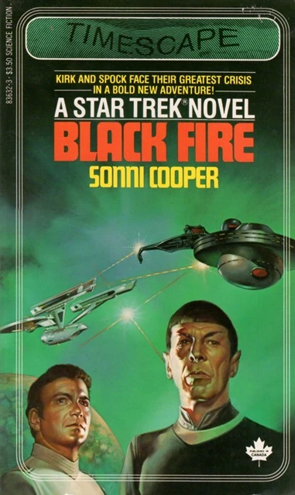
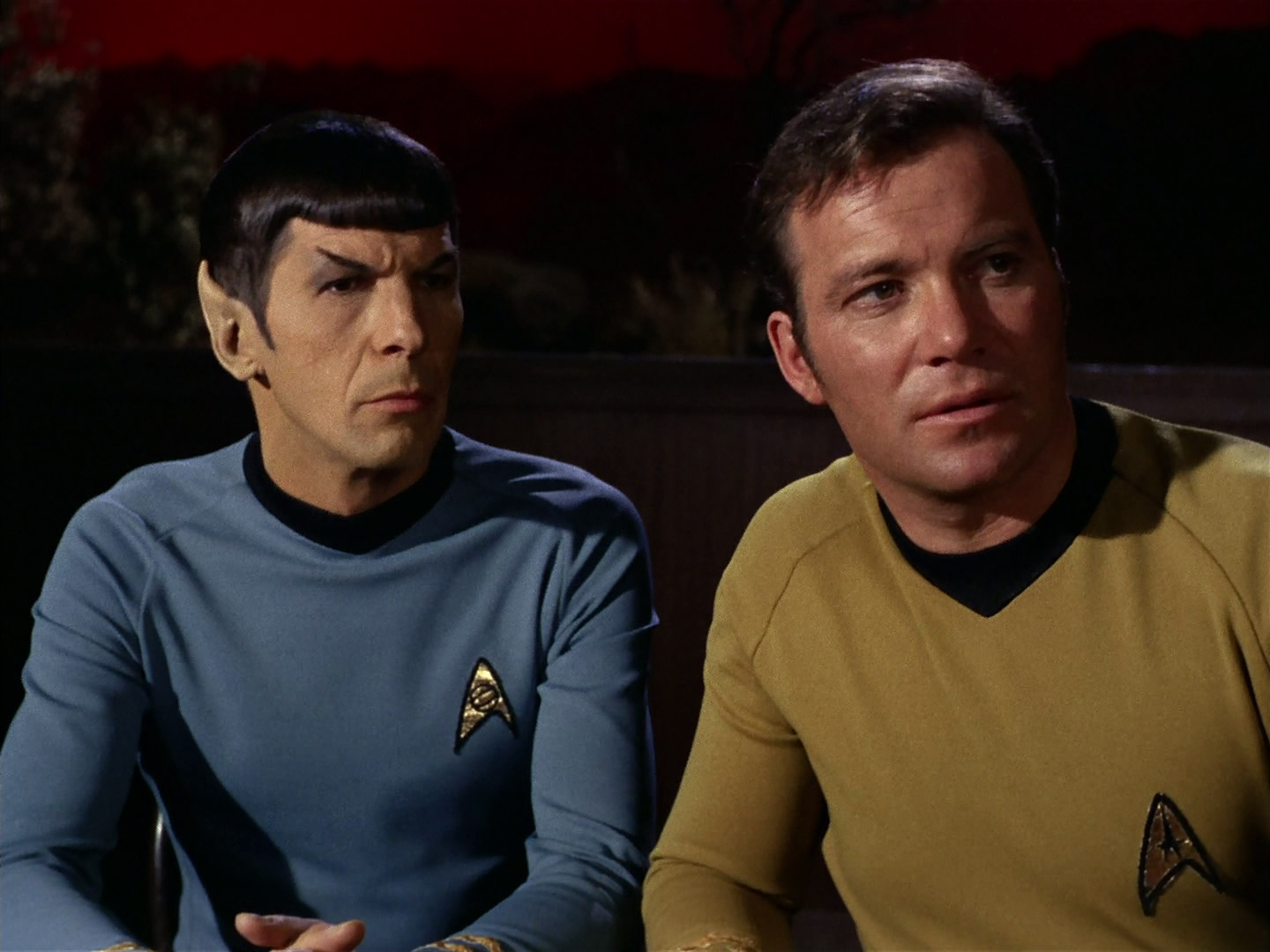
“A devastating act of sabotage aboard the USS Enterprise cripples the ship and leaves
Spock critically injured, but determined to uncover the truth behind the attack. Evidence
implicates Spock himself, forcing him to flee Federation space to continue his
investigation while Captain Kirk struggles to keep Starfleet and rival powers from
declaring him a traitor. Spock is captured by a violent alien species known as the Tomarii,
who thrive in ritual combat and slavery, where his intelligence and Vulcan discipline are
exploited and pushing him into a reluctant leadership role among the other prisoners and
mercenaries. As Romulan and Klingon forces maneuver to take advantage of the chaos,
Spock uncovers a wider conspiracy in which the sabotage is tied to interstellar power struggles and manipulation rather than personal betrayal. Kirk ultimately risks his career and the Enterprise to rescue Spock and expose the truth that will prevent a larger war that could devastate half the quadrant."
Black Fire sets out with a bold and dramatic premise: a devastating sabotage aboard
the Enterprise leaves the ship crippled and casts suspicion on Spock, who pushes himself
through injury to uncover what happened. His investigation leads him into conflict with a
warlike alien race, entanglements with both Romulan and Klingon forces, and ultimately
to being condemned as a traitor, forcing Captain Kirk into the difficult position of defending
both his friend and the stability of the Federation. The narrative is fast-paced and packed
with dramatic twists, and writer Sonni Cooper clearly attempts to make full use of the Star
Trek universe and the established characters and races within.
However, the actual execution of this ambitious plot comes across as rather uneven.
The story feels at times disjointed and very overstuffed, with scenes and subplots that
shift abruptly and some developments that strain believability even in Star Trek sense.
Spock’s arc, transitioning from the logical officer we’re familiar with to the imprisoned
“space pirate” and then to a Romulan ally, is rather unpredictable and silly, leaving the
reader nearly unable to recognize the character that they know so well and love. Plotlines
outside of the main Spock storyline are often underdeveloped, and resolution of the major
conflicts within the story end a bit anticlimactic.
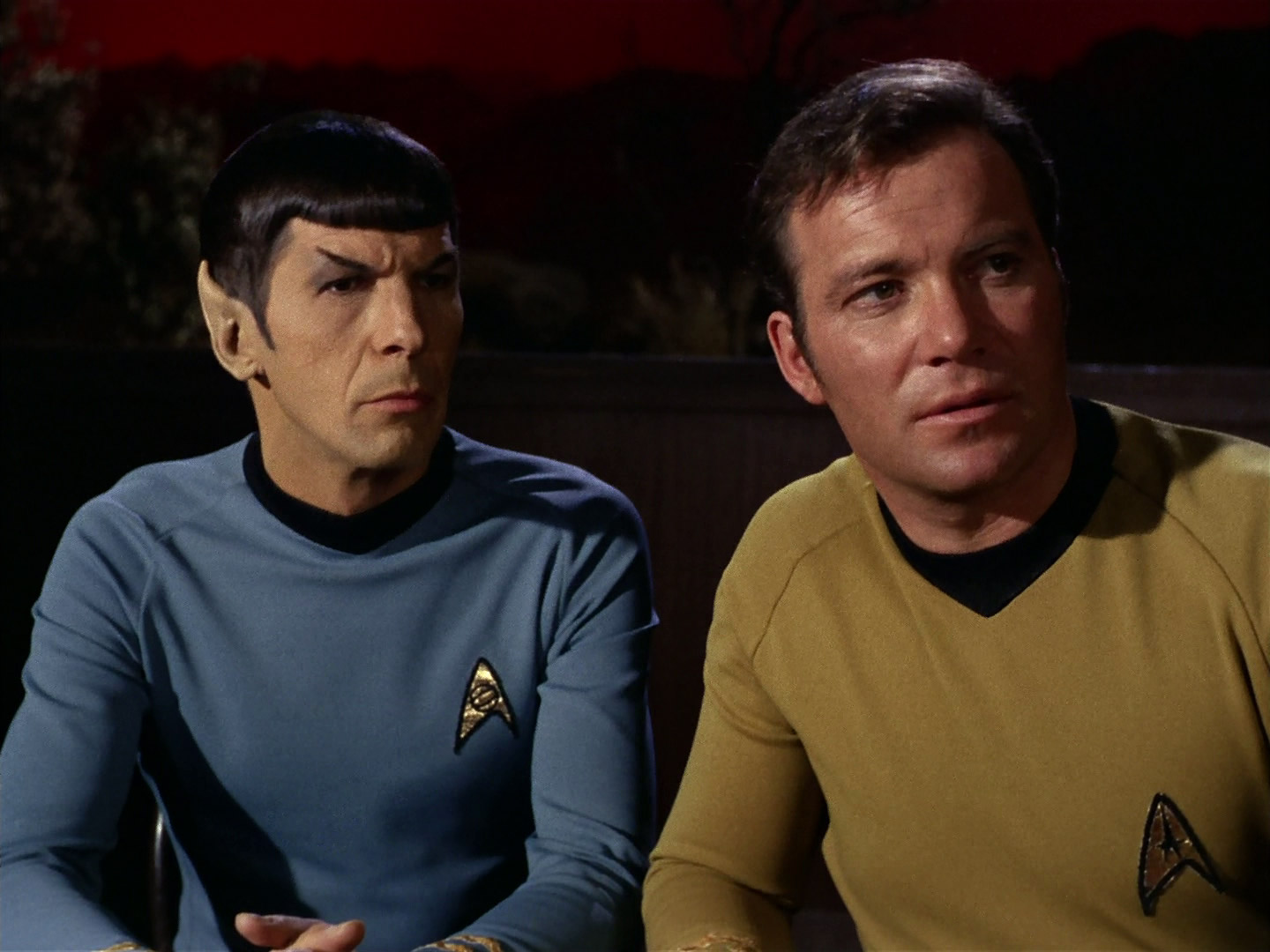
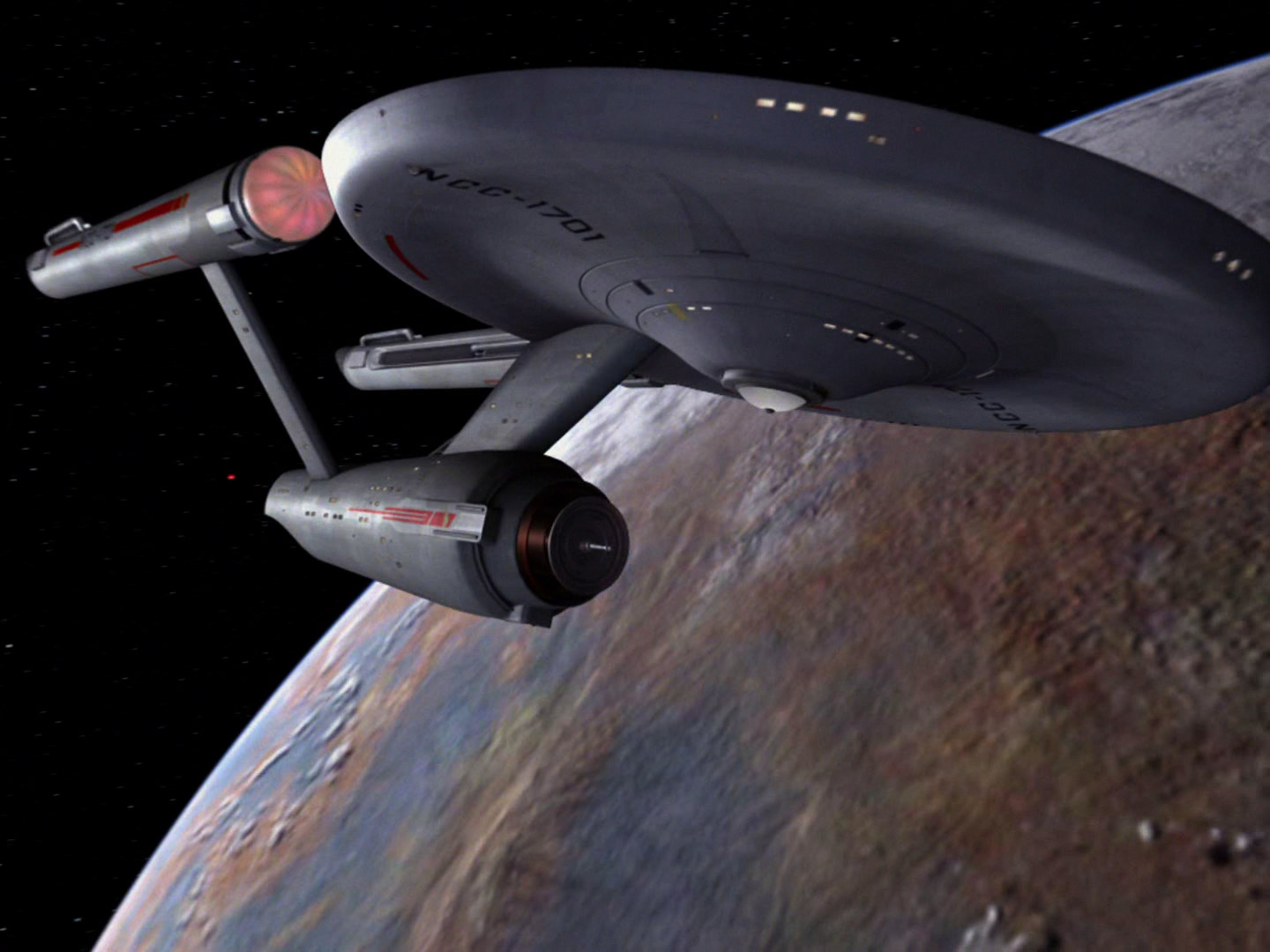
Despite these flaws, Sonni Cooper’s Black Fire has its defenders and, if you’re willing
to step outside the established Star Trek continuity, can be appreciated on its own terms.
I personally feel this is the best way to enjoy this novel, just take it for what it is. The
novel’s rapid pacing make it an entertaining read, especially for those who enjoy campy,
unconventional takes on beloved characters and don’t mind departing from the strict Star
Trek lore. In a way, the story reminds me of the best episodes of The Animated Series,
with a little bit of Lower Decks thrown in to keep things interesting. The dialogue and
characterization of the main crew are top notch, and as you read further into the story,
Cooper’s passion for Star Trek can become quite infectious. With that said, Black Fire
may not be for every Star Trek fan, but for those looking for something a little bit on the
odd side, it’s a fun read.
Book Facts:
-
Contains an introduction by famed science fiction writer Theodore Sturgeon, who
wrote the Original Series episodes “Amok Time” and “Shore Leave”. Along with his
own award-winning novels that he created in his lifetime, he also wrote the novel adaptations for the films VOYAGE TO THE BOTTOM OF THE SEA, and THE RARE BREED. -
Author Sonni Cooper was the founder of the William Shatner Fan Fellowship, a William Shatner fan club that was active from 1979 to 1981. This is her only Star Trek novel.
-
The story mentions that Chekov had recently been promoted to lieutenant, which
would place the story in this novel somewhere between the end of the Original
Series and the first film, possibly during the Enterprise’s fifth and final year of its
mission. -
A limited-edition hardcover version of the novel was printed by Gregg Press in 1986.
A Film By rating: Two out of Five Phasers
------------------------------------------------------------------------------------------------------------
STAR TREK NOVEL #21 – UHURA’S SONG by Janet Kagan
Published in January 1985 by Pocket Books. ISBN # 0-671-54730-5
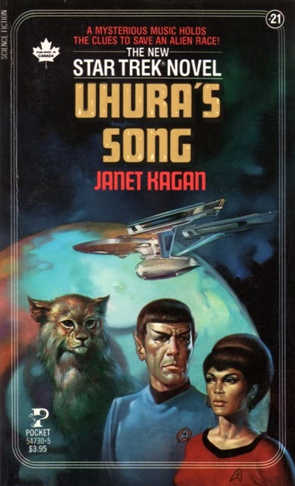
"USS Enterprise's urgent mission to the remote planet Eeiauo, where a beloved feline-like species known for its complex language is being wiped out by a mysterious and rapidly spreading disease. As Starfleet medical science fails to find a cure, Lieutenant Uhura discovers that the key to understanding both the illness and the species itself lies in their songs, intricate, culturally embedded musical expressions that function as language, history, and emotional connection all at once. Drawing on her deep sensitivity to communication beyond words, Uhura works closely with Spock, whose telepathic insights and logical discipline complement her intuitive musical approach, revealing that the disease disrupts the creatures’ ability to create and perceive harmony. Tensions rise as outside authorities push for drastic, culturally destructive solutions, while the crew races against time to respect the Eeiauo’s autonomy and save them from extinction.”
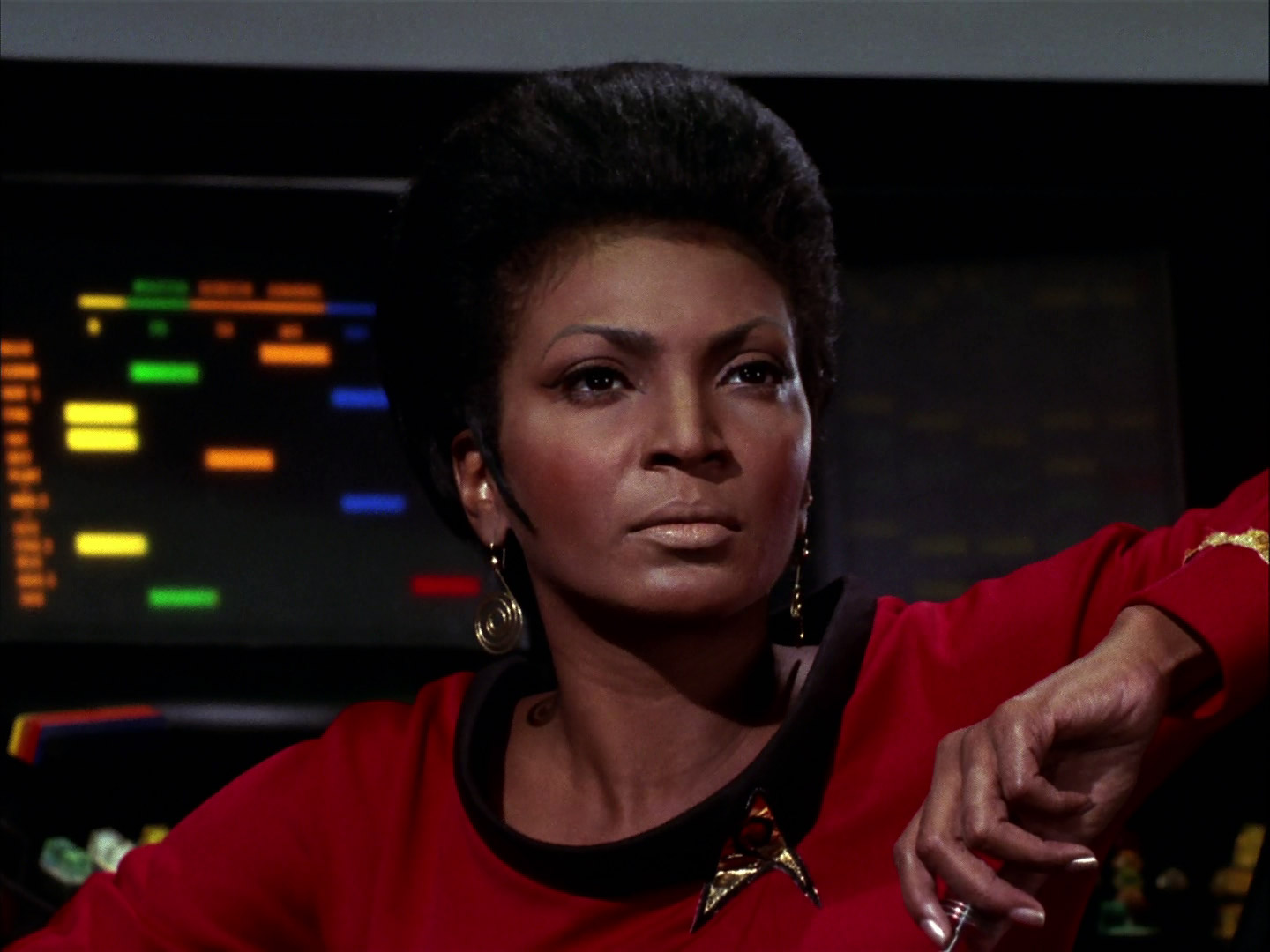
Uhura's Song has always been widely regarded as one of the most popular and character-driven Star Trek novels ever written, and for good reason. Janet Kagan places Lieutenant Uhura at the center of the story, allowing her to step fully into a leadership role rather than the supporting position or background character she often occupies on TV.
The novel explores her unique talents, particularly her linguistic and musical abilities, in
a way that feels right to her character and in a deeply imaginative way. By focusing on a
crisis involving the endangered Eeiauo species, Kagan elevates the story beyond a
simple “alien-of-the-week” plot found in most sci-fi, and weaves a narrative that combines
Starfleet procedural elements with an exploration of communication and empathy across
species. The depiction of Uhura’s sensitivity to music as a form of universal language is
especially compelling, highlighting her intellect, intuition, and courage, and is similar in
ways to the portrayal of Uhura in the more recent Star Trek: Strange New Worlds series.
Kagan’s writing balances the novel’s scientific and emotional stakes very effectively.
While the disease threatening the Eeiauo is the center of the plot, the story spends
significant time on character interaction and development, particularly between Uhura and
Spock. This partnership feels genuine and refined, with Spock’s logical approach
complementing Uhura’s intuition and creativity. The novel also thoughtfully examines
themes of cultural preservation and ethical responsibility, debating the Prime Directive
and asking difficult questions about intervention and respecting alien cultures and
civilizations. The inclusion of Starfleet’s bureaucratic pressures adds much-needed
tension, giving it a sense of urgency without feeling forced. These elements, combined
with detained and imaginative descriptions of the alien world and its inhabitants, creates
an incredible reading experience and sets this novel above the others.
Is it the perfect Star Trek novel? I don’t know if I’d go quite that far as to say that. Some
of the exposition and descriptions can come across as a bit dense and overwhelming,
particularly in the sections explaining the Eeiauo’s musical language and its relation to
the disease. However, it’s important to know that these moments are crucial for
understanding the story’s central plot and ultimately reinforce the novel’s focus on
communication and empathy. With that being said, Uhura’s Song succeeds as both a
memorable Star Trek adventure and an incredible character study, giving Uhura the
spotlight she so desperately deserves while delivering a story that is intelligent,
emotionally engaging, and memorably different from most of the other novels in the range.
If you’re seeking a Star Trek novel that blends science, music, and cross-cultural
understanding all into a beautiful story featuring one of Star Trek’s most beloved
characters, I can not recommend this enough. Put this on your must-read list.
BOOK FACTS:
-
This is the only Star Trek novel written by Janet Kagan. She was a frequent
contributor of sci-fi stories for the magazines Analog Science Fiction and Fact and
Asimov's Science Fiction. She won the 1993 Best Novelette Hugo Award for her
story “The Nutcraker Coup” originally published in Asimov's Science Fiction. -
Auton Janet Kagan was unfamiliar with Star Trek, and recorded late-night reruns
in order to do research for her novel. She decided to base her story around the
character of Uhura after realizing that her character was never featured
prominently on any episodes or given any memorable lines. -
The author wanted to write a sequel to Uhura’s Song, but her ideas were rejected
due to a policy that Pocket Books had that didn’t allow any sequels or the use of
any original characters from previous books. -
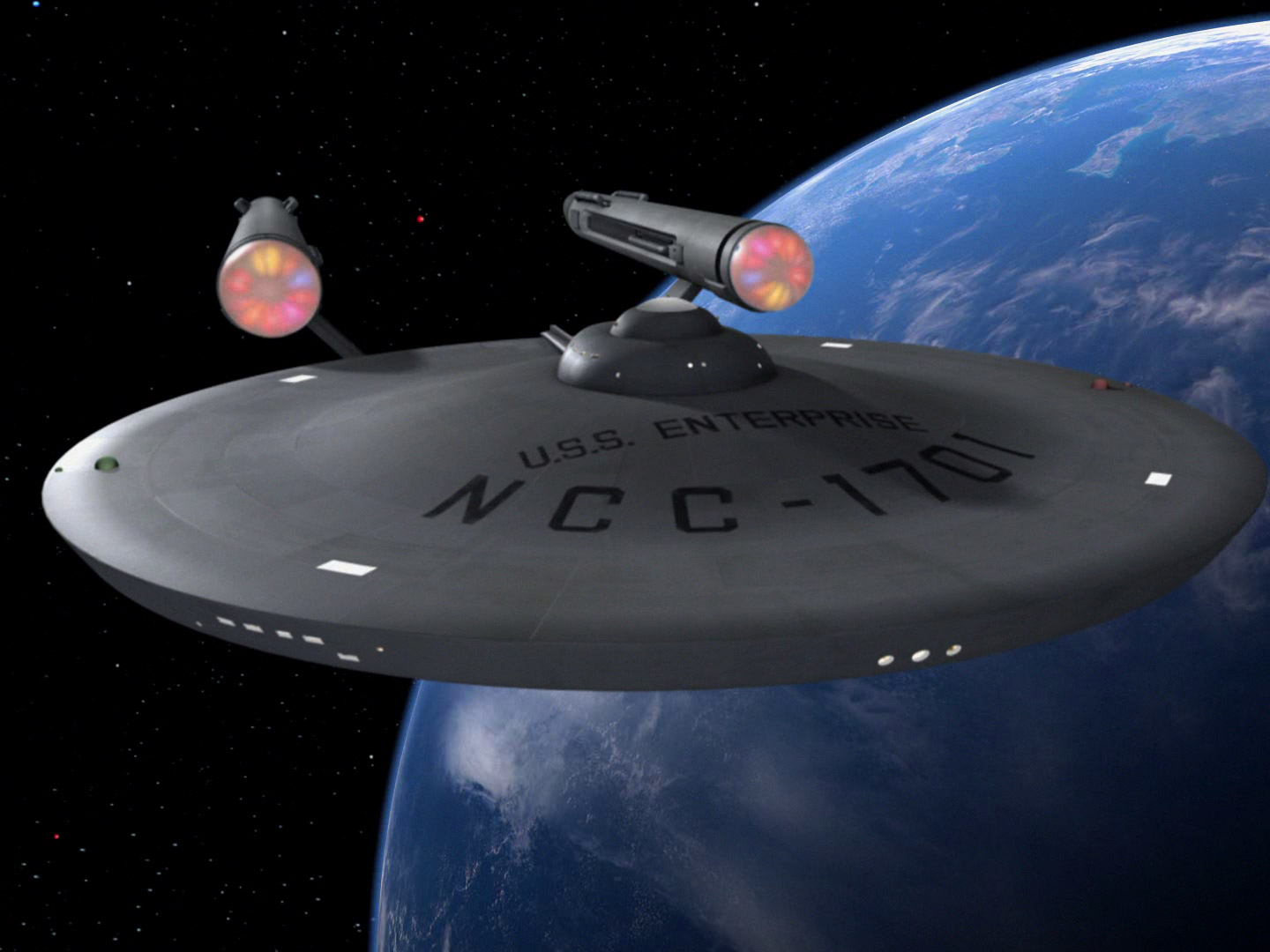
Despite the cover featuring the re-fit Enterprise from the films, this novel definitely
takes place during the Original Series era. -
The cat-like Eeiauoans are mentioned in the Star Trek: Deep Space Nine novel
Devil in the Sky, as one of the alien races that are featured in pornography that
Nog is keeping. -
A limited-edition hardcover version was printed by Gregg Press in 1985.
A Film By rating: Five out of Five Phasers

Co-Host
Wayne Whited is a Co-Host on the A Film By... podcast. His expertise on Star Trek has been highly beneficial on our Star Trek-themed series "Phasers Set To Stun," which he co-hosts. He is a writer and Executive Producer for Historical Productions Inc. and has an endearing interest in comic conventions; a passion he recently renewed and shares with several team members. Wayne lists "The Black Hole," "E.T.," and "The Empire Strikes Back" among his favorite films, but is quick to remind us that his preference is television. He counts "Star Trek," "Amazing Stories," and "Doctor Who" as personal favorites. Wayne's favorite director is Steven Spielberg.

Star Trek Novel Reviews: The Entophy Effect | Yesterday's Son