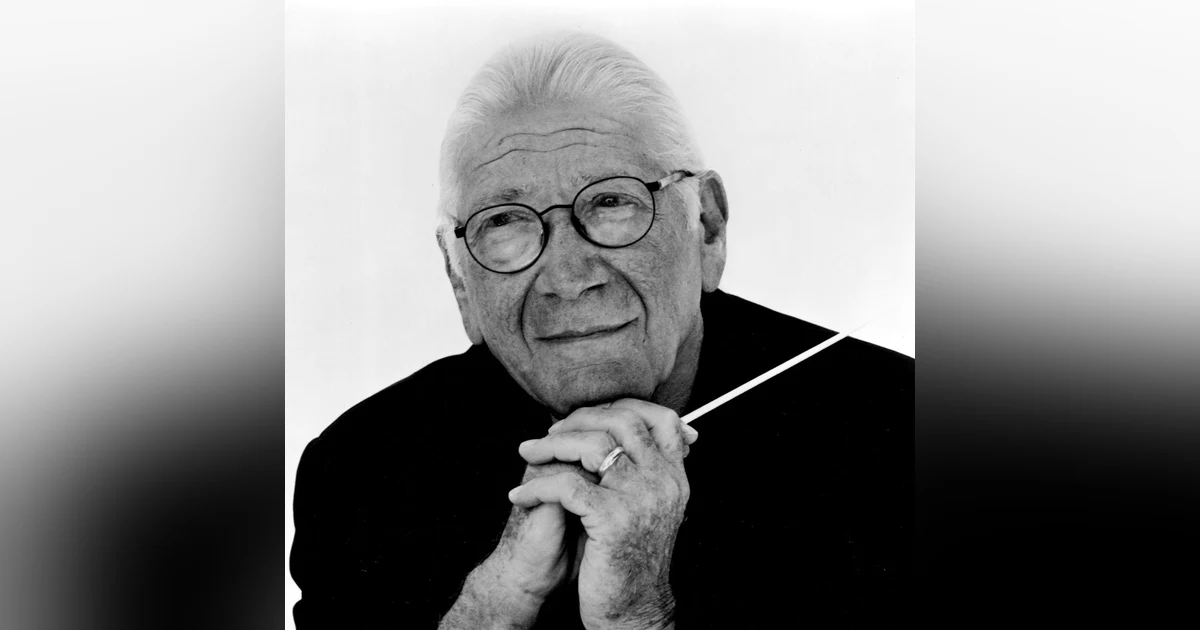
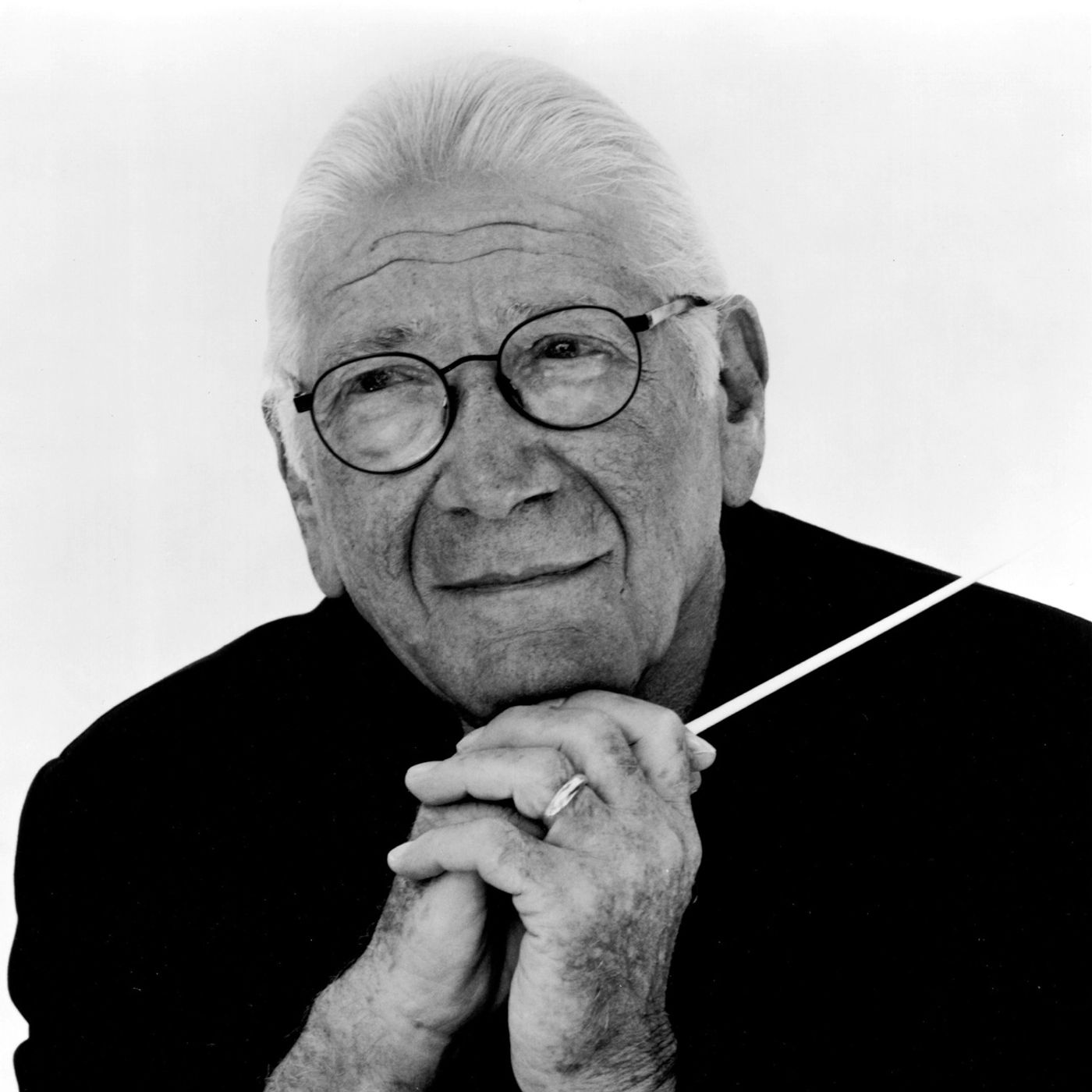
The Music of Jerry Goldsmith: Our Top 5 Favorite Scores

 Apple Podcasts

 Spotify

 Goodpods

 Pandora

 Amazon Music

 iHeartRadio

 Castbox

 Deezer

 TuneIn

 Podcast Addict

 Podchaser

 Spreaker

 JioSaavn

 Castro

 RSS Feed
David and Wayne welcome Chuck Bryan from The Cinematic Flashback Podcast back to the show to celebrate one of their favorite composers, Jerry Goldsmith, with their top five favorites of his scores!
For exclusive episodes and content, check out A Film By... Podcast on our Patreon with a FREE 7-day trial. You can also sign up as a free member!
Check out www.afilmbypodcast.com/ for more information.
Email us at afilmbypodcast@gmail.com with your questions, comments, and requests.
Find us on Instagram, X, and Facebook @afilmbypodcast.
0:00 We always talk about directors and they're hidden in underappreciated films here, but we all know that music is just as important and can either make or break a film. Will we agree with that? Oh? Absolutely? Yeah. Well, it just so happens that our birthday is upon us. He is no longer with us, sadly, But gentlemen, let's talk about music by Jerry Goldsmith, who would have been ninety six years old on this Monday, February tenth. Could you pick your all time top favorite Goldsmith score right now? Yeah? I think I have it. Okay, do you think we can narrow down like maybe the top five for both of you? It'd be hard, but yeah, I think I could do that.
0:41 I'm gonna have to kill some darlings, but okay, all right, well let's do that. Let's talk about the music of Jerry Goldsmith with our top five favorite scores. Hello, everybody, I'm David Burns and I'm Wayne whiteed and this is a film by podcast. Joining us on this special occasion is the one and only Chuck Bryan from the Cinematic Flashback podcast. You will also remember that he joined us for Phasers Set the Stan oddly enough to films that Jerry Goldsmith composed, and that would have been Star Trek First Contact and Star Trek The Motion Picture. Chuck, welcome, Hey, thanks.
1:43 I know we Jeff teased this particular episode way back in the summer and I have been looking forward to this day for a long time. Yeah. I think Wayne has two, haven't you I have? Yeah, yes, I have two. Even though I'm hosting it, you guys are doing the picks. I'm still very excited to be doing this. So let's just start working on this. Because we all love music. We all love Jerry Goldsmith, so again we know music can make or break a film. We have talked over the years about the importance of this here on the podcast, and we have discussed some wonderful composers and one of those we are discussing today. Wayne and Chuck. Guys, both of you are very extreme fans of mister Goldsmith. I know we are going to discuss what you think is your top five of his scores of all time. But before we do that, let's talk briefly about the man, the myth, the legend that is Jerry Goldsmith. Jerry was born February tenth, nineteen twenty nine.
2:38 And sadly we lost him in July of two thousand and four. I remember this day vividly because Wayne and I have known each other for a very long time and we both were huge collectors of soundtracks still are. And I remember the day he passed away because I didn't know anything about it. You're the one that reached out to me to say, hey, Jerry Goldsmith had just passed away, and it was a devastating day. Chuck. Do you remember that day? Oh? Absolutely. In fact, I remember being down in South Carolina at the time, and there's a point in life where all of a sudden, people that you really admired when they pass, it hits you like a ton of press.
3:20 This one, this one was what was I think maybe my first one. Yeah, yeah, it hit me pretty hard. I was at work, and you know, he's was a big composer, and he made the national news. His death inbituary made the national news, and that's where I saw it, and then that's when I got a hold of you. Yeah, I remember that, and it was just like what It was hard to believe because he had given us so much wonderful music over the years. So he has a career in film and televisions that spans nearly fifty years over two hundred productions between fifty four and two thousand and three. He is considered as one of the most influential and innovative composers of our time. Nominated for eighteen Academy Awards, winner of one in nineteen seventy seven for his Score of the Omen, six Grammy Awards, five Primetime Emmys, nine Golden Globes, four British Academy Film Awards, and much more. At thirteen, he started learning the piano by concert pianist educator Jacob Gimp. By sixteen, he was studying under Italian composer Mario Casanova to desco. It was also at sixteen that Goldsmith discovered the film Spellbound, which would inspire him to pursue a career in music. He would attend both University of Southern California and Los Angeles City College. Apparently he didn't like the University of Southern California, so he moved to Los Angeles City College. What else do you guys know about mister Goldsmith, because he has had a long, lustrous career.
4:49 Yeah, he has, and I do know. He began working for CBS at the beginning started composing music for a lot of the radio series that they did, such as the CBS Rate Workshop and Frontier Gentlemen Romance. I remember quotes that he said they needed someone to do the music, and I knew someone there who said I would be great for this, and he was right. I mean, it was a great start. I've heard some of his radio music. It's phenomenal right from the beginning. It really is anything I was going to say. Growing up, one of a show that my parents and I really enjoyed watching together was The Waltons, and I always loved the theme from it, and I'm just like, how did they write this? Like I'm asking questions like how do they know how to make music for something? How do they come up with it? And you know, they started telling me a little bit more and they said, oh, look it's by Jerry Goldsmith, and I kind of tucked that little nugget in my head. And then in seventy nine when I go to see Star Trek the motion picture and his name comes up.
5:57 There, I'm like, the composer of the Waltons. Is it amazing? Just putting those dots together? Oh well, as that was that was the beginning. Uh. And I think of when people say, what's the first album you ever bought? Named? They'll named some classic rock or something that's just amazing. And I think about my first album was Star Trek. The Motion Picture. Nothing wrong with that. He just he knew how to write themes that you would remember, themes that you could you'd walk out of the theater and and be able to hum. It's something, in my opinion, on an art that's lost today. But that's what made him the master.
6:39 Another thing I love about Goldsmith and when you've you and I have talked about this for and I think we mentioned briefly another podcast how Jerry Goldsmith loves to put odd sounds into his scores. I mean he did, he did with Star Trek two. We kind of discussed that when we did the motion picture we might dig in a little bit more here in this. But I mean, I'm talking like Grimlins the Burbs. How he always and it seems like it's always Joe Dante films that he just loves to play around and adds some odd weird sounds. It is. I love his barking dogs for the earth, for the verbs. Yes, that's one of my favorites. I'll tell you absolutely, but no, it's I love when composers do those kind of things because it sets them apart from others. It makes them more unique in my opinion. So when I hear those, I immediately know it's Jerry Goldzon's but it's in a good way because he's being unique, he's being original, and I love that, I really do.
7:31 Yeah, it also makes you ask a lot of times. So you know, I went to school as a music educator, and so I have a really good ear for instrumentations and what instrument made that sound. And I'll listen to some of his scores and he is pulling instruments from different countries, and he's taking things and he's putting them together and and it just you're going, I know this is being played. It's not a. Sound effect, but I don't know how he did it, you know, So I think that's really great, and he does it in a lot of his films.
8:13 He loved to experiment. He loved using new instruments out there, he loved using ancient instruments. There was a time during the eighties where he was experimenting with electronics. Some of his scores were completely done on synthesizers. He loved to experiment and love to try new things. Yeah, and his son, Joel Goldsmith would follow suit with his father. Unfortunately, he passed away a lot younger than his dad did. I believe he was what fifty four years old when Joel passed away. You know, he was doing some work, doing some good work too, out there, and it was falling in the footsteps of his father. I believe he even helped his father on first contact a little bit my understanding, and you know he even stargate SG one Wayne, I believe, mister Joey. Yeah, and it was fantastic. But unfortunately he died at a very young age twenty twelve. I believe it was when Joel.
9:11 Yeah, did y'all know that Joel also worked on Star Trek in the motion picture? No, would he gonna be really young. At that time. He was young, but he did not write music. He was doing sound effects. So there were several sound effect groups. So just remember they're in a mad rush in their post production, so they have maybe three different teams that are just coming up with all kinds of sound effects for different parts of the film, like the transporters or whatever, and then they bring them together. So a lot of the work that his team did makes it up into the final mix.
9:55 Interesting, I did not know that. Huh. Yeah, he just scored his first film, like just a year or two before that. I remember it's called Laser Blast. I remember because it was on Mystery Science Theater. Oh boy, I'm putting together a series for cinematic flashback on science fiction movies of the seventies that's not Star Wars are Close Encounters, and Laser Blast was one that came on there, and I need to rewatch it, but I do remember seeing it on MST three. K. Yeah, there's a lot of good stuff in the seventies when it comes to sci fi that's not Star Wars. So yes, absolutely a lot of bad stuff too, but hey, that's fun too. It really is absolutely no doubt. All Right, Well, we are going to hear Wayne and Chuck's top five picks.
10:45 But before we do that, let's take a short break and when we come back, we will start digging in. Welcome back, everybody. This is a film by podcast. Well, we are discussing Jerry Goldsmith, a master composer. We are going to start our top five picks that Wayne and Chuck have for us. We are going to start at number five with the count down. Wayne, I'm gonna let you go first. What is your number five? My number five pick is going to be Poltergeist, the nineteen eighty two Steven Spielberg film. I love this score because this gave Goldsmith a chance to do horror. I know Agden horror before with the Other and with the Omen, but here he has crafted the most beautiful and eerie theme and score for a film that I've ever heard.
11:42 It's just absolutely incredible. Every minute is during this score is just phenomenal. Especially my favorite Q of the entire film is called Twisted Abduction, which this is the music that was playing when the boy is abducted from his room by the tree and you know, the clown and then Carol Anne is suck through the closet. Just a long piece, but incredible, just absolutely incredible how he's able to convey the spence and the fear, the emotion that's needed for that scene through his music. It starts off with very low bass Claire Natch, and builds up to just a frenzy orchestra. It's fantastic. Plus The theme is extremely memorable and kind of creepy with those children singing.
12:35 It's a masterpiece, it is. Those kids singing always geared the crap out of me, as as in Darts, So yes, I remember this one vividly as well. I saw this movie in the theater when I was a little kid, so I was petrified of this movie. Jerry Goldsmith did a fantastic job your right wing. What I would love about composers is when their music is so good that it still blends in well with what's going on screen that you kind of forget the music. And that's a good thing, believe me, because it pulls you into the film so much. It makes you feel scared, it makes you feel laugh laughable, whatever it is. You know, a good composer is able to do that, and that's why music is so so important.
13:18 And he is a master of it and he does. That's a great job here in Pultry based. Agree he did. And you know, fortunately this is available complete though there is a two CD set release the stout there has everything in it, including the star spangled banner. You say, you can go out and buy this and and enjoy the music like I do. There was a time listeners, you young listeners, where television did stop at a certain time at night and they would play that banner that and you wouldn't have any television until like five or six in the morning. We don't have those days anymore. But not a great way of starting the film, though. They went with Fats and then it goes right into his very eerie score. And it's another example of a musing unusual sounds and instruments and an effects.
14:04 In with the music, and that that music flowed with this with the spirits that were on screen, that it really did flowed beautiful. Yeah, it's hard to describe it this way, but it really is. It's a horror film with beautiful music. It is very just absolutely love of music. Yeah, absolutely couldn't agree more. All right, Chuck, what is your number five? Okay, Well, it's going to come as notice surprise to anybody who listened to this cinematic flashback that we are a seventies podcast and I am going to may constrain myself to movies of the seventies. Okay, okay, all right.
14:46 So imagine that you were living in a society where everything is taken care for you, but then you start to realize that this perfect society has a dark secret. And what if you learned that that coming of age ceremony you were so looking forward to when you turn thirty and got renewed and actually it was a form of population controlled where getting renewed actually meant getting killed. This is the setup, of course, for nineteen seventy six Logan's Run starring Michael York. Now. Granted, the movie today looks as dated as Space Mountain, but the soundtrack is absolutely unforgettable. It is a combination of electronic music and a traditional score. The interrogation track is like the love child of Bernard Hermann's Psycho and Wendy Carlos's Tron. And I think my favorite track has to be the Sun, where Logan and Jessica see the world outside for the.
15:43 Very first time. Now, this one may not be everybody's cup of tea because the electronic music sometimes can be very harsh, But if you like that Tron soundtrack, you're absolutely going to love Logan's Run. Yeah, I mean, it's an unusual movie for one thing. I love the movie. I do too. That's a good movie. I put that movie off a long time to watch. I really did, and. I I gave it to you to watch. I did. Have you dodged this? And then I remember the first time you've got a hold of me after you saw I was what an incredible score? Yes it was, I was. I was blown away by the film and the score. It's a good, good pick there, absolutely, Chuck. Well, let's move down to number four. Chuck. We'll let you go first this time. What's your fourth pick?
16:29 Okay, Well, I'm not going to come right out and say it, but I am going to say everyone knows that the moon landing was faked, right, and it was all filmed in a studio out in. The desert somewhere. Well, that was the inspiration of nineteen seventy seven Peter Heim's film called Capricorn, one with a great cast that included Elliott Gould, James Brolin, Hell Holbrook, and oh Jay Simpson. And it leans really hard into that whole fake moon landing conspiracy to create a banger of a suspense film. And Goldsmith's soundtrack is a masterclass that just takes that tension and keeps ratcheting up. It evokes Mars The Bringer of War by Gustav Holtsk and there is a lot to like about this soundtrack. For me, the weakest track is the disco dance theme of case theme that's in there and a lot of these seven, a lot of these seven. It's a great theme, but for me, it's like The Red if they would have released it separately, maybe like Sean Cassidy's for another film. So yeah, but my favorite theme is honestly, the main theme is just so exciting, you know that you're getting ready to go on an adventure. And I also like the music that was playing when the astronauts are breaking out of their now prison out in the desert and are trying to escape.
17:57 I just saw Capricorn one for the very first time this past summer, and the part of the score that I have heard was just excerps and overall it is just a excellent. Score to get. Yeah, that's a lot of people's favorites. I've heard that quite a few times. It is a great score. Yeah. I saw that movie later in life as well, and it is definitely a really good film and that the score is perfect. Again, Goldsmith is a master of what he does and he's able to provide that in Capricord Wana as well. So another good pick. All right, Wayne, countdown? What's your number four?
18:38 All right? Most of you probably never even heard of this film, but my number four pick is The Salamander. It's kind of a forgotten film that got lost in the shuffle back in nineteen eighty one. Directed by Peter Zinner, it was basically known as a film editor. He had done The Godfather and as well as The Deer Hunter and The Star Is Born. It's based on a best novel. It starred Franko Niro, who plays policemen investigating the murders of some very important people, where his only clues is a card with a drawing of a salamander left behind in each murder. The film also stars Anthony Quinn, Sybil Danning, and Christopher Lee. It was critically panned and mostly ignored by moviegoers back then, and it's usually remembered by the because of the big fight scene in the middle where the hero is wrestling this giant wearing nothing but a jockstrap.
19:30 But that being said, okay, the film does have one incredible thing going for it, and that's the score. This is a film that I only recently saw about, I say, about ten years ago. I never even heard of the film. I mean seriously, it was just a name on a list of Goldsmith scores that he had done. And the reason I'd never heard it well, it rarely ever got played on television. But it's a lost score of Jerry Goldsmith's. There was no soundtrack release back in nineteen eighty one, and the master tapes that the original recording have gone missing. Yeah, unfortunately that's true with a few of his scores. But back in twenty thirteen, conductor Nick Rain and the City of Prague Philharmonic Orchestra re recorded the score perfectly, you know they did it, had to reconstruct it by ear and it is absolutely incredible. One that is overlooked. It's forgotten, but it needs to be heard. It is just incredible.
20:32 And my favorite cue is definitely the final cue of it, the goodbye and in titles. It is pure Jerry Goldsmith at his finest. Everything is his signature sound and it's a beautiful accordion, light orchestra and then it moves into a huge brassy outburst strings. Just the entire score is everything you love from Jerry Goldsmith. You'll just fall in love if you listen to it. I'm one of the people who've never heard of the Salamander, So now you're describing it, I want to go see it. I am kind of worried about that scene you're talking about, but it still sounds like something I want to see. It's not a bad film. I mean, it's not not the greatest, but it's it's not a bad film. It's very entertaining. It's a beautifully shotgun. Yeah, and the score just it's it's worth watching.
21:19 Just a listen, Wayne, And I just wanted to point out thank you for bringing up the City of Proc Philharmonic Orchestra. They do some really great work and if you do not have access to the entire score of a particular film, they have done a great job in making CDs or musics with excerpts from the films, and it's usually going to highlight the main themes of of a movie. And they have a a I don't know how many CDs it would be because I listened to it a lot on Spotify, but it's the film music of Jerry Goldsmith, and if you want to get just being a broad overview of the depth of his work, that is a great thing to go and listen to and.
22:12 Over the last ten years they have done a lot of reconstructing these scores, not just Goldsmith's but other composers. They I mean, they listen to the scores, they write it, they take notes, they make sure that it's performed exactly as the composer had originally done it. You know, not only did they do the Salamander, but they've also done the entire score for QB seven, a mini series that Goldsmith did, and Hour of the Gun plus as well as I believe twelve episodes of his TV series Thriller, which is outstanding music. I'm glad that, you know, even though it's not the original, we have a chance to finally listen to this separate from the vision. It's wonderful that we have people who do things like that to save music that you know, somehow they got rid of because they used to do that all the time when you know BBC did that a lot. They would just get rid of the tapes and see you later.
23:03 You know, we're not going to have it. No one wants that. Yeah we do, Yes we do. And unfortunately some stuff got lost the time and probably is good gone for good. So it's it's nice that you have someone who can go back and listen. I'm sure it's a lot of tedious work that, oh my goodness. But there their their compilations are excellent, and you know, just subscribe to them and listen. They're good. Yeah. And if anyone wants to hear that title or that track that I said about the Salamander, it is on YouTube with the U the City of Philharmonic playing it for the CD. It's an incredible thing. You can actually watch them perform it.
23:48 All right, there you go, listeners. I've made my notes. Yeah, absolutely, all right. Well, before we continue on with our third pick, let's talk briefly about Jerry Goldsmith's work until as we know, he did do quite a bit there, Chuck, I know you mentioned one, and I will bring that up again. When I was a little kid, I watched a lot of reruns of The Waltons with my mom, and that made that series very special to me, and I loved the theme to The Waltons. At that time, as a kid, I didn't know who Jerry Goldsmith was or you know, how important music was. I just knew that theme stuck in my head and anytime I heard it, I knew what was coming. I was going to get, you know, a great story about a family. And when I got older, I just like you, I realized started putting those dots together and realized Jerry Goldsmith was the one who did that. And that has become one of my favorite television themes is because of Jerry Goldsmith and those memories that I have. Wayne, I know you've got some television that you love that he did.
24:53 Oh yeah, I'm glad you brought up The Waltons because I was actually almost my number four pick because I I love the music for that series, not just the incidentals that he did. He excelled at scoring that type of Americana music. It was the perfect venue for him to create some of his best work in that style. He also scored the two hour TV pilot The Homecoming for The Waltons before he did the first season. He only did the first season, though I believe it was I believe he scored six or seven of the episodes. But it's just. Absolutely incredible, and The Homecoming is available on CD. But unfortunately, just like we got mentioning with the Salamander, the tapes for his scores for The Waltons have been completely destroyed, and this time we know they have been destroyed. Unfortunately, Hallmark when they bought the series and its rights back in nineteen ninety, they destroyed everything, including the master tastes for the episodes, so that we can't get any high definition versions of the episodes. But there is hope that Introder Records is considering re recording having the City of Prague record this score. The scores that he did for his TV series should be very soon. I think I can't wait.
26:07 And that's a shout out to Intrada as well. They have done a lot of work in the soundtrack world for a very long time. Wayne, you and I Chuck. I'm sure you two have gotten some lovely CDs from Intrada over the years, who have saved music have brought out special editions that you would never have gotten before if it wasn't for them. So definitely a shout out to Intrata. Yes, there's so many great scores that I thought we would never get. The six disc Amazing Stories set is probably one of my favorite, and that included a score by Goldsmith. You did an episode from that series, Capricorn One's another one that was brought from them. Echine. There's just so many great Goldsmith scores and other composers that Intrada has brought to us, and we thank them so much for that.
26:52 Yeah. Absolutely. I know he did the band from Uncle, the Twilight Zone Jones, which is another wonderful series. I believe he even did some gun Smoke, did he not? He did? Yeah, So think of look at all that stuff that he has touched over the years. It's very similar to what John Williams had done. But you know, just a fantastic career that Goldsmith had that you didn't realize until you got older what all he has done, you know. Going back to you know Wayne, I know you kind of mentioned a little bit of him getting his start in nineteen fifty with CBS and he worked with under director lud Gluskin, who he worked under. Apparently he did like the CBS Radio Workshop, which you said, Frontier, Gentleman and Romance were some of the ones that he had done.
27:45 You touched a little bit on the quote that he had and I'm going to read the whole quote that was from him. He says it was about nineteen fifty CBS had a workshop and once a week the employee whatever their talents where they were ushers or typist, would produce radio show, but you had to be an employee. They needed someone to do music, and I knew someone there who said I'd be greatful this. I'd just gotten married and needed a job, so they faked a typing test for me. Then I could do these shows. About six months later, the music department heard what I did, liked it, and gave me a job. Well, I'm telling you what they're the rest is history, right. Oh yeah, that's so great that they found him, because he's just delivered to so many incredible themes all these television shows, including Star Trek Voyager.
28:33 Of course, yes, we cannot forget Star Trek. We are faser set this done here, so cannot forget Star Trek at all. Any other memories Jock for television or anything from Jerry Goldsmith. You guys had had nailed them all. The one that I remember was the theme from the Man from Uncle. My dad also had that album along with the Peter Gunn. I don't recall who did Peter Gunn? Who is that one? Do you know? I was hitting and seeing I believe. Yeah, I men't seen it. I should have known that one. But yeah, they they had a lot of the kind of the cool TV show albums back in the day, and I remember I had no idea that was though.
29:17 I had no idea that was Jerry Goldsmith at the time. And I'm not sure why they didn't connect that dot for me as well, but I think that's really neat. I used to love watching thriller gun Smoke was still on a regular viewing in our home. And again, it's just great to learn that he had his hand in the in those soundtracks, so I'm looking forward to hearing them. And he did score one sitcom series called Room two twenty two. I recently got to see the episodes that he scored. It's it's interesting, you know, he did a fantastic job. It's just unusual to hearing him to do something do something like that. It's great though.
29:59 I guess that's check that I've never heard of that, so. It was very popular series back then too. All right, well, let's continue with our top five. We are down to number three, Wayne, what is your third pick? This one is at the top of most people's lists and it deserves it. The Blue Max. This is an incredible film. I remember seeing this film for the first time back in the late nineties because I found the score.
30:43 I found the CD score and I listened to it and was just absolutely blown away by how incredible, how beautiful the music was. And I said, and I watched all three and a half hours of that film. It really drags on as a film, but the music areas it. This is This is the score that got many of the producers and studio heads in Hollywood to stand up and say, Hey, this guy might be going somewhere, let's hire him. It's deserved. This score is, in my opinion, one of his top best. We've definitely a lot of effort was put into it as a very long score, and it's been released numerous times on different labels. It's still out there. Just came out recently on the Wonderful While a Land Records Jerry Goldsmith at twentieth Volume one.
31:38 It's complete, it's it's remastered, just absolutely fantastic. And my favorite track on it is called the Retreat, very long track. Eight minutes. You know he just he switches into triple meter for this powerful cube. It's heard during the main battle sequence. It's the World War II film and in the middle of the film. It has this mongous battles seen with thousands of extras, and and it keeps switching back from the ground battle to the the air battle without even having a cut, and he's this music is playing over. It's just powerful, powerful percussion and military drum which starts off with the cube with nebrass comes in.
32:25 There's just so much great music to the score. It's no wonder that everyone said, Hey, Goldsmith's the person. To hire after clearly right the decision. Blue Max's is that's an excellent choice. Uh. My introduction to that score was. At a summer event at a local airfield that has different U error aircraft and they during the summer they have a orchestra come out and play selections from movies that go along with with the type of airplane that was being flown in the film. So you know, for example, they would play Cadillac of the Sky, so that's from John William's Empire the Sun, and then they would have you know, a Mustang fly around. And my wife was playing in the orchestra that they had hired to play for two summers, and so I got to go out there and both years they played selections from the Blue Max.
33:30 Very nice. I would have never got to hear the Blue Max if it wasn't for Wayne and Wayne. You and I used to go on long road trips. We would go to conventions in the late nineties, and I remember we'd always have these books full of CDs, yeah, because you know, you didn't have streaming back then, and we would just play those CDs. And I remember you playing the Blue Max for me, and I was like, what the heck is the Blue Max? And then when I listened to the score, I'm like, wow, this is really impressive for a movie I had never even heard of. So yes, yeah, I remember quite a few of those. I remember going and said, oh no, hey David, you got to listen to this. Yeah, oh this is great. Yeah. Yeah. You were like my drug guy, my drug dealer, give me the ces, you know here, listen to this, listen to this, and you've given me some great pieces of music over the years. So I have you to think for that.
34:21 Absolutely, the first one's free. Yes, that's right, that's right, all right, Chuck. What is your number three? Okay, so you found out that your spouse, who happens to be a US ambassador has unknowingly replaced your son that died shortly after birth with another child and pass it off as your own. Oh yeah, And as this kid starts to grow up, some really, really weird stuff starts happening everywhere this kid goes. And on top of that, he has these three nines on top of his head. Of course, I am talking about Richard Donner's nineteen seventy six scary as all get out film, The Omen. This is like right up there with The Exorcists for me of films that I don't watch often, and when I do, it's definitely The Willies for me. But the Omen soundtrack is excellent from start to finish. Goldsmith was struggling with the idea of like, Okay, what do I write about this?
35:48 And then one night he declares to his wife Carol that he has heard voices, and from there the resulting score featured strong choral segments and foreboding Latin cham The film's main theme, Ave Santania, is a kind of satanic Gregorian chant, and to be honest, it really is disturbing, and when you listen to it today, it seems like that this is the logical choice. For the film. It just makes sense. But at the time it was a revelation. And because of this, as we've already mentioned, he won his one and only Academy Award for Best Original Score for this movie.
36:28 And what's really hard is that if you want to get a physical copy of the CD for this, you're going to pay a lot because it's out of print and it's one of the expensive ones. Yeah. Actually, do you have. That one in your collection? I do. I have two copies of it, two different for I at the very Sarah band and then the recent I think it was quartet that brought it out, and they're both Yes, they're both out of print, although I expect it to be released very soon. It's one of the scores that comes out of few years. It's just too popular. I read a h or I listened to a review of the The Blood Splatter vinyl mm hmmm, and uh.
37:14 They said that the music is great, but they didn't like the way that the vinyl kind of messed with the splattering, kind of messed with the needle. Uh. And they thought that that it wasn't very well balanced. Oh that makes sense. Hmm. Interesting, And it's funny that this is the score that won him the Academy Award too. Yeah, deserve. They had to give it to him. I mean you know that at that time they were giving it scores that that were doing things different, that was that were breakthrough scores, you know, change the way music was written, and the OMEN definitely changed the way we looked at a horror music. You think about all the scores that came after that, with its choir and its chanting and stuff that you can trace that all the way back in Jerry.
37:58 Goldsmith, Yeah, Emmonyville Horror touched on that. He said, a lot of movies after that started touch that because it worked, Chuck, Just like you said, you know, this was breaking new ground back then. You know, people had not really heard this. So you know today it's common. You know, we we hear it all the time. Back then not so much. Yeah, well another thing, and it's uh and I just thought of this, but you think, uh for me, I can kind of now see a thread that started in the OMEN. But this this chant and this. Quarrel corral uh all the way to uh Poultergeist. Oh yeah, and now it's little children singing and either way it's creepy as it is all get out.
38:41 Yeah. Oh yeah, I can't listen to the omen at night. I have to be light out when I'm listening to it. Just shows you the master that Jerry Goldsmith is. See there. Yeah, some movies, uh there are there are some scores where it just elevates the the film would have been would have been a success, I would imagine, But there are some scores that elevate it up. And having the right composer can make all the difference between a bomb and just a hit. Yeah, Spielberg will tell you that that's what happened with Jaws and John Williams. For sure.
39:25 He made two notes. It's two notes. Yeah, no, good picks, good picks. All right, let's move down to number two, Chuck, what is yours? Well, speaking of picking the wrong guy, how would you like to get a phone call from work and they tell you that the guy who has been working on your project was totally tanking it and could you come in and save it at the eleventh hour. Sure, they've been working on this for months, but you've got that can do attitude. You roll up your sleeves. In just ten days, you seal the deal, and you knock it out of the park. And that was the situation that Jerry Goldsmith came into on Roman Polanski's nineteen seventy four film Chinatown.
40:13 Forget I can't gains Chinatown. All right, come on, play the area on the thig. Walk. On the. Get up, Get Up. So Goldsmith's score captures the mood of this film perfectly. He replaced the original composer, who was Philip Lambro, and all the Polanski was happy with the music that Lambro was writing, it turned out that test screening weren't going well and all the feedback that they were getting was saying the same thing, the music stinks. And Lambro was fired.
41:09 And so you can still hear his original Lambro's music in the score of the trailer, because when they released the trailer, Goldsmith hadn't finished anything yet and so they had to get the trailer out. But that's the only place where you can hear it. Personally, I just absolutely adore the trumpet solo and the love theme from Chinatown. It's just big, it's fat, it's for romantic. You know, you're in for a really good neo noir film, and this soundtrack really hits it out of the park. For me. Chinatown is a master of many things, and a movie is one, the music is another, the script is another.
41:49 A lot of people who want to learn how to make a great, solid film looks at Chinatown quite a lot. I learned scriptwriting from Sidfield, and he always referred to Chinatown when it came to scriptwriting. The music is the same way, and Goldsmith definitely brought his a game for this movie and helped it even more. Yeah. I can't imagine the film without that music. That's score. It's just that they fit so perfectly together. The way that he was able to get that music, to get the music out so quickly is that instead of going for a large orchestral piece, he really pared down the instrumentation to a very minimal size of players.
42:32 And I think that was a good decision. I mean, it made decision he needed to, but it was perfect for the film. It was economical and it just made it. It fit, it did and it paid off well. Wayne. What's your number two? I think this one's going to be pretty obvious, considering the fact that you hear me all the time on Phaser set a stunt. So my number two pick is Star Trek the motion picture. I won't go into too much detail on this score because you know, we talked to death about it during the film at forty five paces Set to Sun podcast, I will say that Goldsmith was at his best when he composed it, and he was also under a lot of pressure to get it done on time, which usually, just as we mentioned with Chinatown, creates his best. He put a lot of effort into
44:09 this score. He even had to start over from scratch when the director didn't like the way he was approaching the music, and it just really showcases the best that Jerry Goldsmith could offer. There's no doubt that this is at the top of mini soundtrack leverage lists. It's been released so many times, it's still out there available. Yeah, if you wish to hear us go into more depth talking about this, listen to the Star Trek motion to podcast. It's just every cue for this score is from beginning to end as a masterpiece. You know, it was nominated for an Academy Award. Unfortunately it lost to George Delarue's Score to a Little Romance, which is a great score.
44:54 But and I'm going to say this, Goldsmith should have won that year. I agree. I agree, it's because of Goldsmith. We had the cling on theme song. The music is because of Goldsmith. We have that, so Star Trek fans's let's thank Jerry Goldsmith for that because it is fantastic. Good pick, good pick. It's also the reason why we have the theme song to Star Trek the next Generation. Absolutely yep. So there's a lot that we have Jerry Goldsmith to think for when it comes to Star Trek. If they hadn't picked him, we probably wouldn't have what we have today, So very grateful for that. Well, before we continue on with our final pick, let's take one more break. All right, everybody, welcome back to a Film by a podcast where we are continuing our countdown or the top five Jerry Goldsmith scores. We got one left, but before we really dive into that, we're going to talk about one honorable mention that we could have that did not make our top five, but we still want to mention it, talk about it. So let's talk about that one honorable mention. Way, what is yours?
46:05 Oh my choice is another film that he should have won me for the Academy Award, and I think the Academy agrees with us too, And that's Patten It's just that's another example of a masterpiece. It's a very minimalist score, very short, I think, for a film that lasts over three hours. He wrote barely more than a half hour of music for the film. But it's it's and a half hour of perfection. Plus his use of the the echoplex in the three trumpet notes that that echo whenever we see Patten and you know he thinks that he comes from an earlier times, he's you know what, he got reincarnation. It's just another example Goldsmith using instruments, different instruments, different electronic styles that perfectly match what is on screen.
47:02 So this is my honorable mention. Good choice, Chuck, what is yours? I'm going to break out of the seventies on this one. In fact, I'm actually going to say something that's not a complete score. But I'm going to guarantee that everybody who's gone to the movie in the past twenty seven years or so have absolutely heard this. So I always have a story, So I gotta tell a story. So in nineteen ninety I went to go see Back to the Future three with my then roommate James Kirk. No, not that James Kirk and as the lights went down and the movie started, we were greeted by a brand new Universal logo and an incredible fanfare written by you guessed it, none other than James Horner. None of you thought I was gonna say, was it?
47:50 Well? Seven years go by and I am now living in Virginia. Jay drives up to see me, and of course we got to go see this brand new Steven Spielberg film, The Lost World Jurassic Park, and once again it's the lights go down and the movie star. We're greeted by another brand new Universal logo and another incredible fanfare, this time written by Maestro Jerry Goldsmith, and it is still used today. And anytime you see a Universal picture, you are greeted with a fanfare that everyone knows.
48:45 Universal is my favorite studio and that intro to the logo is fantastic, and I'm glad to know it's Jerry Goldsmith. It's so short, but it's so memorable. It is everybody can helmet. And I see why universally keeps using it, because why not? It's perfect? Yeah, Kavid Roland, I'm going to add one honorable mention here. So back in nineteen ninety five, I went to the theater and around this time was just my moving into listening to scores, loving scores, collecting scores. And there was a movie called First Night, directed by Jerry Zucker and I went to see this at the theater and movies okay, not one of the greatest movies out there, but it's still okay. But the music blew me away. I immediately had to own this score. Did not know who it was until obviously the end of the credits. It was Jerry Goldsmith. And this is the score that made me fall in love with Jerry Goldsmith.
50:04 I didn't. I mean, I had listened to a lot of his stuff up to this point, obviously just wasn't educated enough. But this was my door, the door that opened into let me find out what else Jerry Goldsmith has done. And the floodgates were open, and the next thing I know, I realized what his career looked like and what he was still doing at that point. But First Night, I absolutely love guys. I know it probably doesn't make a top ten for a lot of people, but it is so such a good score, very very dramatic at times, very action packed at times, and it was played a lot in my vehicle. I remember, you're the one that hooked me on that film, just like I did with Logan's Run with you. I'd never seen the film or heard the score to that point.
50:49 You said, Oh, you got to see this. It's a great score, and I yes, you're right. Yeah, Rachel, I think that's one that i've I was listening and I saw the film, and I'll be honest, I completely forgot about it. But this is one that the theme came up on a compilation album and I'm thinking, oh, this is nice. What is this one from? Oh First Night? Yeah, it's got a great theme to it. It does very catchy, and that's why I listened to it so much. I haven't listened to it in a while, but I'm telling you, after we wrap this, I think I'm gonna go listen to it again. Yeah. A choice, that's right. Well, we have made it to our final pick. We're down to the number one Jerry Goldsmith pick for you guys. Wayne, you get to go first. What is your number one pick?
51:39 All right, I know I'm going to get a lot of blank stares and hus and watts from this choice, but hear me out on this one. My number one pick for my favorite score of Jerry Goldsmith is Twilight Zone, the movie. You know, I'm a huge fan of Twilight's in the movie as a film anyways, I bought it on VHS, DBD, Blu ray. I have both the original and the complete soundtracks. I own a copy an original copy of the movie poster, I have an express packet, and I've read the books about the film, including that Fantastic Outrageous Conduct which goes into detail about the events behind the scenes. But I'll admit the film is a bit of a mess. But the fact that Jerry Goldsmith took this mess and created a masterpiece is nothing short of a miracle. You know, and well, in fact, he created four masterpieces for this film, because he treated it like four episodes of a TV series and gave each segment its own completely different score with different sounds and styles that all come together for an incredible end titles at the finale. You know you got the four segments, you know. First, we start off with one called Timeout with Vic Morrow. He used a very minimalist approach, using only strings and percussions for this bit, very similar to what he did back in the sixties with the original Twilight Zone, and then we have Spielberg's section Kicked the
53:11 Can with the scatman, Crowther's full orchestra, enhands with synthesizers, fun magical score with the memorable theme. And then It's a Good Life with Kathleen Quinlan that Joe Dante directed, so we got some crazy music with that. It's weird, sounds almost cartoon like in nature, just perfect Joe Dante music. Finally in the film, you have the Nightmare at twenty thousand Feet with John Lithgow, brilliant, memorable suspense music. It's almost psychological and navy. With this being a Spielberg film, you know, it's a bit of a surprise that John Williams didn't do the music for this one. But Spielberg had his reasons for going with Goldsmith. He was a huge fan of Goldsmith's score for Star Trek Motion Picture, and he enjoyed working with him on Poltergeist and wanted to work with him more. Plus the simple fact that you know, Goldsmith had scored episodes of the original Twilight Zone led to that decision. It was definitely the right one in my opinion. There's just so many great cues in us in. My favorite is the overture at the end.
54:15 I chose to choose that because that way you get a little bit of music from all the segments. It's just amazing how he brought these separate bits and styles of music all together into one. It was a favorite of Goldsmith's too. He performed that piece at many live concerts that he did over the years, and it's still available. It came out back in nineteen eighty three on an LP, but they did release it complete. I was shocked when it came out. It was one of the last scores I thought I'd ever come out complete. Film score Monthy brought us to it, brought it to us. It's got everything in it, including the two sore songs that were especially written for the film. One of them was written by James Newton Howard and the other one was by Joseph Williams John Williams Son. But go out and get this.
54:59 I back this every time. You know, this is by far my favorite Jerry Goldsmith's score. Now, I think it's a good choice, and you touch base on that right there. I mean, it's like four individual movies that he's having to, you know, make music for it. It needs to be different because it has to match the style of the director. It has to match the style the story. To be able to do that and be able to pull it all together into the big overture is quite an accomplishment for Jerry Goldsmith, and again just speaks volume and how good he is. I don't know, I think that is a really good pickwing. It really does. Yeah. The second, the second segment for Kick the Can is like, oh yeah, always been one of my favorite pieces, and I thought that, I know that some people might not like the segment. I like the segment and I love the music that went along with it, and it kind of expressed the wonder that Spielberg was going for in that segment.
55:55 Yep, absolutely, Chuck, what is your number one? Okay? I know you said we had to pick only five Goldsmith scores to talk about and none of that. Scott Hoffman, I'm going to work in two for one. Well, I say nuts to that, because I found a loophole because I got two great scores but therefore the same movie. Okay, Okay, So I love this even more because somehow I just it totally escaped me until I started researching it and I'm talking about Ridley Scott's nineteen seventy nine Alien and it was a perfect killing organism and a near perfect film for a director's second outing. And to understand why I mean that there's two scores is that Jerry and Ridley had two different ideas for how this music should go.
56:56 Jerry had an approach of like, okay, we're gonna he's out the suspense. We're gonna start with. You know, everything's good and fine. It's a little bit lonely because you know, we're we're truckers out in space, you know. And then as things start to go more and more south on LB. Four twenty six, and we start to realize that there are special inhabitants that are down there, the music starts to ratchet up in its tension, and Goldsmith completed and turned in the score and really just he wanted something scary right from the get go, and so you know, the director's right sometimes, and Goldsman went back to the piano and came back with the score that you hear in the film. But wait, there's more to this story.
57:46 The movie opens, it's a great hit. Jerry and his wife go out to see it and they're enjoying the film. When something doesn't quite seem right. He's hearing his music, but it's from the wrong film. And it turns out that as Ridley was editing this, they were laying down some temp tracks because hey, they knew Jerry was scoring it. So they went and they got some music from a film called Freud and they put it in there, and it turned out they really liked it. They liked it in some scenes more than what Jerry had rewritten for them. And I think there were six places where his music got replaced. But okay, it is what it is, right, But let's just stay for the closing credits because I wrote a really good little hint that maybe there's another alien or the alien still alive that's in there and it's going to be really great. And so he's sitting there waiting for it and he starts to hear Howard Hansen's Symphony Number two playing. So I think that this is stuff that I didn't know. I mean, I just found this out not too long ago, because to me, his score that he originally wrote, where it starts off with yet another trumpet that's rim in this of Chinatown, that's the one that for whatever reason, I thought that that was the one that was in the music or in the movie. And when when I found out that I was completely wrong. I mean, I went back and I stuck the Blu ray in and I've said I'm going to show them it. Nope, I'm wrong. I have
59:19 been enjoying this other soundtrack, this special release that had come out where they had had, you know, all of the music on it, I guess, and I just somehow I got pulled over and I had a little bit of a quasi Mendela effect. But lucky for us, for this one film, we get two great versions of the score, and there are there's a version of the movie where they have an auxiliary track where you can kind of play his music as to where it goes. Sometimes it doesn't all quite line up because they're just trying to do something after the fact, and after the film was locked and he had written that, they did edit it them quite fit. But you do get kind of a flavor of how it could be. Now, the question is which one do you prefer? Do you prefer what he wanted to write or what ended up in the film.
1:00:16 And you asked me on any given day and I'm going to go back and forth, but what I do want to say is that you know, you mentioned the echoplex in patent. The echoplex gets okay, so the echoplex is this device today. I'm sure we've just recorded electronically and we could echo the sounds, but the echoplex was the device which would allow them to record and to echo instrumentation. And he used so many different sounds, and I thought that the sound that was played when you knew that, you know, the alieners around it was the equivalent of John Williams two note theme. It was comprised of several instruments, including an instrument from the Renaissance called a serpent. It also included a didgeridoo. And this was before Paul Hochan let us know that Australia exists, so we really had never heard of didgerido before. And also they fitted one of those conk shells that they would, you know, they would play. They fitted it with a mouthpiece of okay, and the guy just buzzing his lips into it to create these sounds. And when that particular cue is played, that's when the alien is really there.
1:01:38 You know, no cap as the kids would say today. That's incredible. Yeah, that really is. Such a great score, such a great scores. It is all good picks. They really are, you know, and both I agree with both number ones, I really do. It's really hard with the career this guy has, with all the music he has out there to pick. But I think you both have done a wonderful job on the top five Smith. It's really hard to choose. There's so many of them, but we had only five, and that's right. Well. I hope that it exposed some scores that people didn't know or hadn't heard, and maybe we provided some resources that they can go and just listen to some some of his great works that might otherwise be hard to obtain just due to costing.
1:02:25 Absolutely absolutely all right, what do you think of Jerry Goldsmith's music? You did we mention all your favorites? Did we omit any of your favorites? Let us know on social media on Facebook, Instagram, and Twitter. Check out a Film by Podcast dot com for film and TV articles and our entire library streaming free. Write to us at a Film by a Podcast at gmail dot com with your questions, comments and concerns. We may just read your response on the show and send you some a film by Swag Wayne. As always, it is a pleasure to hang out with you on this podcast. I can't wait to do it again. Love it, love it, love talking about music with you.
1:03:05 Absolutely for us. Phaser Set to Stun returns on February twelfth, where we continue our discussions with the original Star Trek Films and this time we will be discussing the Wrath of Cohn and we'll be following up later in February with the Search First Bock Chuck, what does the Cinematic Flashback podcast have coming up? Well, you know this Sunday is Super Bowl Sunday, so we need to go and get a revisit a classic film from the seventies that involved a rather large dirigible that actually crashed into the Super Bowl ten and I'm talking about Black Sunday by John Frankenheimer starring Robert Shaw. Yeah, and what's really cool about this is this is after Jaws.
1:03:53 This was one of John Williams's. Next works that he that he did and this is definitely a case where he elevated that film. Absolutely. It used to be on my top five most wanted scores. I screamed for like ten years at the companies. Yeah, release this release this. A it's an interesting film. We're looking forward to talk about that, and then afterwards we're our following release after that is we're going to review a film that I haven't seen yet. It's called The First Great Train Robbery, which is a Michael Crichton story and it stars Sean Connery and my new nineteen seventies heart throb, Donald Sutherland.
1:04:35 Oh my gosh, I had no idea until we started talking about movies of the seventies. I only knew Donald Sutherland honestly from you know, two films, Animal House and from Invasion of the Body Snatchers. Absolutely two good choices right there. Yeah, absolutely, Well, thanks Chuck for joining us. I knew when we were going to do this we had to have you and Wayne because like I said before that you loved mister Goldsmiths for good recently and jo all you're listening to the show, following us on social media and subscribing to our Patreon. We thank you, all right.
1:05:29 It's fun. That was That was a lot of fun. I'm sitting here writing down all these notes of scores I need to go listen to. I got the Salamander down, which is gonna be the next one I want to go and listen to. So this is this is fun. I appreciate it. I love the fact that you guys have known each other for so long. This is that's just that's just an amazing amount of relationship and uh and definitely history. Uh it's it's check out. If you don't know how we met, it's because of Star Trek. Really, we were both we're both Civil War reenactors, okay, and it was back in what ninety five. We're all it's hey, you know it's almost our thirtieth anniversary. Yes, it was ninety five.
1:06:10 So we were a a reenactment in ninety five. And he was in a tent over from where I was at. So I was inside of a tent. He was a tent next to us, and we were having a Star Trek the Next Generation conversation and in the tent, and Mahen was over in the other tent. He's just listening to us. It was a very boring conversation in my tent. Then he asked him, he goes, do you think I'd be okay if I went over and joined them? All came over and as we say the rest is history. Wayne and I became good friends. Yeah. Wow, that's exactly how it started. Yeah that's awesome. Hey, ladies and gentlemen. Jeff Johnson, I think Chuck.
1:06:51 Needs to be started to. Uh I know right, Damn that was good. Yeah yeah, And you know I was I was going to mention and I forgot to, and I sent it out this morning, the disco version that came from the Alien soundtrack by the by the guy Nostromo. Because I'm sitting there kind of going like I need to start a playlist on Spotify where I tag in just different uh music, you know, like whether it was by Miko or was it Seawan Cassidy for Star Trek, Nostromo for this, uh, the the. Capricorn one, uh runs got one? Which one Logan's Runs got one? Two?
1:07:37 Oh yeah yeah yeah it does. And and you know just start oh Star Trek, Star Trek three. The search verst spot has has one as well. Oh I love those. I love the seventies music, I really do. I love disco. It transports me back to a much younger age when my first awareness Star Wars was because of this disco song that they would play on the radio, so yeah, yeah. And then check out Jeff. I'll look into that. Dave. You knew how much I love disco. Well, the Empire Strikes Back album is Ballard. It was really good. We dug it back in the day. I think I'll stick with Bill Murray's lounge, ACKed stove, nothing but Stone