1976 - Assault on Precinct 13

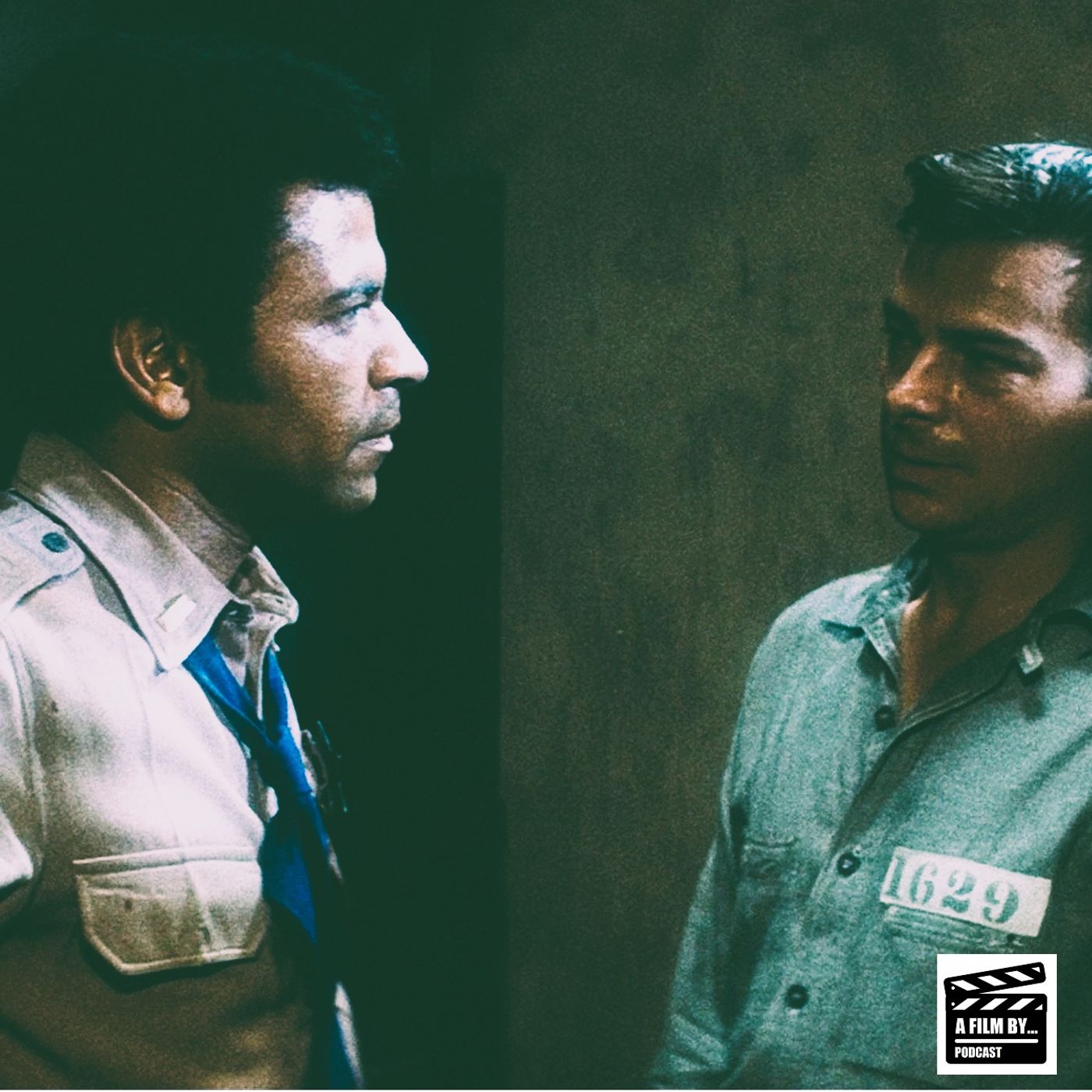
"Got a smoke?" We welcome Warner Bros. Animation Director Andy Thom to our limited "1976" series to discuss his favorite director John Carpenter, and the shocking exploitation thriller, Assault on Precinct 13! Check out www.afilmbypodcast.com for...

 Apple Podcasts
 Spotify
 Goodpods
 Pandora
 Amazon Music
 iHeartRadio
 Castbox
 Deezer
 TuneIn
 Podcast Addict
 Podchaser
 Spreaker
 JioSaavn
 Castro
 RSS Feed
 We welcome Warner Bros. Animation Director Andy Thom to our limited "1976" series to discuss his favorite director John Carpenter, and the shocking exploitation thriller, Assault on Precinct 13!
Check out www.afilmbypodcast.com for more information, and www.patreon.com/afilmbypodcast to get exclusive content!
Email us at afilmbypodcast@gmail.com with your questions, comments, and requests.
Find us on Twitter, Instagram, and Facebook @afilmbypodcast.
0:00 This is Napoleon Wilson. Got a smoke. I want you to know something, Wilson, I don't enjoy driving anybody to death. Row you try anything. I've got two guards with shotguns and O blow you apart. Sure could use a smoke. Hello everybody, and welcome back to nineteen seventy six. It is a limited series from a Film by podcast where we are taking a look at some of the iconic films of nineteen seventy six, given a little behind the scenes information, talking memorable scenes, and sharing some of our favorite quotes. For today's conversation about John Carpenter's Assault on Precinct thirteen, I am joined by Warner Brothers animation director Andy tom Andy. Hello, welcome to uh, welcome to the show Man. Thanks man, thanks for having me pretty excited. I'm definitely excited to talk to you. But before we get into Assault on Precinct thirteen, can you tell tell us all about like an animation director? What what how's it? What's the process involved there? Really, you're just a glorified storyboard artist pretty much, you know, because we're not filming it. You know, they're how most live action directors they deal with storyboards we do that, but then our job kind of ends and then it's
1:33 those storyboards and then shipped overseas to be animated. But as far as being a director, I am essentially a storyboard artist that has kind of graduated into Right now, I'm in television animation, so it's different than the features, and you get usually three storyboard artists per a half hour, you know, twenty two minutes shows, and then you just you look at their boards and you give notes and you know, you want to play out the scenes. Sometimes you're involved with timing each each production I've been involved with. Your Your job is kind of different, so you kind of have to roll with the punches as opposed to, you know, your different responsibilities. So uh so, right now, I'm a supervising director on a on a preschool show for Warner Brothers, and I'm there from you know, the earliest stages of pre production all the way up to the final final mix, the final mixdown and everything like that. So so, but then there were some other shows where I'm just a glorified storyboard wrangler where I just take the boards from the the the artists and give them to somebody else and then don you know, so any any shows you that you've been involved with it you can tell us about.
2:43 Sure, sure, I mean, you know, you could check my IMDb because I just forget. But I've I started on Jumanji, uh, the animated show, and that was the Robin Williams Jumanji. So that was ninety six and I directed on that and for Sony directed this episode. We were doing that, you know, the role in Emeric Godzilla, not the good one. And then uh uh, let's see one of the most high let's see high profile. Well, I did Jackie Chant Adventures. I did a couple of seconds of that because I'm alsocial artists, so I think first one or two seasons of that show they had the directors were all martial artists, which I don't think really mattered. But yes, I did that, but I did I'm I'm solar opposites. I did an a couple episodes of that. That's that's now pretty popular. Yeah, I've seen that one.
3:40 That's an awesome one. Yeah, yeah, yeah, yeah, yeah, yeah. I did the Wall episode. It was a I don't know if that means anything to you, but yeah, it was a good one. I was very proud of that one. But remember with them. But yeah, anyway, it's a good career. Awesome. Man, Well, it turns out you were a huge seventies cinephile, big fan of John Carpenter. So I thought, who who better to talk about this film than you? Yeah, I have to say, yeah, I think he is one one of my favorite, if not my favorite director. And it's funny. We just moved into a new Warner Brothers office and I have two things, two posters in my office, and that's it. And the one poster is, uh my signed John Carpenter poster. I still I saw him in concert a couple of times out here, and I live in Los Angeles, So yeah, I signed John Carpenter's right above my computer desk, And yeah, I love the guy's films. If that isn't motivation, I don't know. I don't know what it is. Man. I agree, I agree. Let's uh, let's go back to where it began with Carpenter. So nineteen seventy four, Carpenter's Dark Star grows from a student film to a feature and gets a limited theatrical running seventy five. Following some moderate critical praise, producer j Stein Kaplan approaches Carpenter to make a low budget exploitation film. For for those listening that that maybe are not familiar with that term an exploitation, an exploitation
5:12 film is it's a film intended to attract an audience by means of a sensationalist or controversial content. It usually succeeds financially by exploiting current trends or niche genres. Uh, Andy, you're a big fan of the seventies, any any of these types of movies come to come to mind as favorites for you. Yeah, exploitation, I'm a huge exploitation grindhouse sky I love. I'm a big black exploitation kind of sewart. So yeah, yeah, I don't have any particular things that particular movies that stand out that I'm a big fan of, because there's there's some that are really well done. Exploitation can be done really well. Uh Like, if you look at any Larry Cohen films, like you know, Q and and his Black Caesar movies and stuff like that, Like he was very low budget, but his movies were way better than they should have been. Like like Joe Dante's Piranha, look at that, that's a pure exploitation with his artistic eye. He made that a palpable movie.
6:14 It's it's a great movie. So yeah, I'm a big exploitation fan. And and I don't think what I what I'm kind of trying to say is that it shouldn't be looked down upon. I think it's I think it's a very bid genre. I agree with you. I mean we were you know, all this time, you know, forty forty years later, thirty years later, I mean we're talking. We're still talking about, you know, Toby Hooper's Texas Chancel Masker and movies like I Spit on your Dave. We're yeah, we're still talking about Pam Greer and and stuff like Foxy Brown and Coffee, you know, these these movies, you know, I mean thinking about thinking about her, especially that that was that was that was an empowerment movie for for women, you know, So yeah, I love them.
6:55 Uh. You know, Carpenter is known for for wanting to operate outside, you know, outside of Hollywood. I think this kind of starts with this movie. He's granted full control on the condition that he keeps the budget under a hundred thousand dollars. I mean, the guy, the guy's got one student film and he's already making deals with producers. I find that fascinating, you know. And one of the things I really find endearing about this movie, and which I kind of deal with in a in a small, very small way, is the restraints that were put upon him as far as budget terry. But he worked within that and to still make a great, great movie, you know. And I think because I think ideally he really wanted to make a Western, but he just knew that wasn't in the cards.
7:42 You know, it's a it's a bigger budget, you know, and you know, a lot more extras, a lot more you know, your horses isn't here. He could just do it like it's almost like a stage play if you really think about it, you know, you could have done this on a stage, you know, you just have the interior of the precinct. So yeah, and but what he came out with was wonderful. You mean, it's just yeah, So I like working within those strings. And like I said, in animation, it's kind of the same deal where uh, you know, I've worked with shows where you can't you know, you gotta be careful about how many designs you throw up the designers and you gotta no, no, knock it down. You can't have a crowd scene, so you got to knock it down to like five people, you know. So there's certain constraints also an animation that I deal with a lot too. Well. You could argue whether or not it's good timing or bad timing.
8:26 But you know, he gets this. He gets this option from from Kaplan. He had just sold his spec script Eyes, which later becomes the hit Issilora Mars with Faye Dunnaway and Tommy Lee Jones. And like you're saying, you know, he's got this idea for a western titled The Anderson Alamo. Now, the problem here is this is a time in Hollywood where Westerns aren't currently popular. And granted, Assault on Precinct thirteen is not a Western, it's you know, you more of a an urban Western, right, so it's it's it's hard to get some distribution until or when Joblin's comes along. He gets the film distribution by changing the title. So I think, I think this is pretty this is a pretty cool thing. You know.
9:09 When you watch the film early on, you hear Austin Stoker's dialogue state that he's reporting to Precinct nine District thirteen. So Carpenter throws some suggestions out. He says, let's call it Precinct nine, how about the siege Joblin's vetos both and comes up with assault on Precinct thirteen, which you know, definitely sounds a little more dangerous, little more edgy. Yeah, And I think when he did, Laura Mars, I think he sold the spec script, like you said, his eyes. But then I think it wasn't even it wasn't made till what two years later? A year later after Yeah too, I think it's I think it's nineteen seventy eight, you know, And then then they end up snagging uh Faye Dunaway. She's hot off her Oscar Win with with Network. So right right, I listen to your pot Well, thank you, fantastic film. Now, okay, so you're eight, you're a director. I gotta ask you. Carpenter writes this movie in eight days and he shoots it in twenty. Is that just is that insane? Or is that like, yeah, he's he's doing all right, like I've never you know, the animation and live action are two different animals, So I really can't say, but I know that he's I heard him say that he this was his first time working twenty four hours straight on a on a movie where he came in at eight am, left at eight am, and that was all the stuff that's down in the in the the jail cell us.
10:41 It sounds brutal, you know, and then you're dealing with a lot of elements like he talked about how it's really cold at night, and you know, the inside the bus scene it was like scorching. Everybody's dying. That's ship I never I'm sorry, that's stuff I never really deal with in animation. Know, the elliots don't bother me. So, yeah, it's it seems like a real grind to knock out a movie of this stature in twenty days. I mean, I think that's the was that the shooting schedule that he couldn't have delivered it edited at that And I think that's the shooting schedule. If if my minderstanding is right, it's the shooting schedule. I'll tell you. I think part of his success probably comes from the fact he's got a good scripts supervisor on set. You probably knew who I'm talking about, Yeah, Deborah, Deborah Hill, Yeah, Deborah yeah, yeah, And I'll tell you what and I don't want to you can go back to Deborah.
11:37 Yeah, because they were a great team obviously, but I think the cinematographer and the lighter, the guy who the Doug Nap he's he's Douglas Knapp was if you One of the things I love about Carpenter's films is that when he shoots nighttime, which a lot of his movie you know, Halloween and whatnot, it's it's just dark night, like the blacks have just suck you in. They're just so like he doesn't resort to like you you're using blue light, which I can't stand. Like Tim Burton ish, it never feels like night to me, right, But carpets are just the shadows and the deep, the deep blacks. It's just so gripping. I don't know, it's a tough and that's a tough sh movie. This was a tough movie to light. I can just imagine, you know, because there's so many uh dark you know, when they when they cut the power to that precinct, the rest of the movie is pretty dark, you know. Yeah, but you can talk about if you want. No, I think you're I think you're You're honest something there because you know, obviously I love the eighties, the decade of the eighties for for movies, but there's a distinct nighttime lighting, you know, and you talk you kind of talked about those those blues, uh that that you see it. You know, I'm thinking like Michael Mann's Man Hunter for a perfect example of the of that. But the in the seventies, you know, you're not You're not seeing that. So you know, it's very rich, rich blacks, but it's not. It's not like you know, like, hey, I can't see what's happening.
13:09 So yeah, you're you're right to call out the lighting on this. It' it is. It is fantastic, you know. And to your point, Carpenter like the majority of his films take place at night, you know, I mean, whether you're talking Halloween or Escape from New York. And you know, I think one of the one of the outliers are probably like they live, which is mostly during the day. But it's not an easy thing to do. I mean, if you've really just go outside of your phone and start taking pictures at night without your flash, I mean, it's it's tricky, you know. So there's ways to light it without looking like artificial light, you know, and it's there's an art to it, man, art to light and going again. Also talking about Nap is the way he and I don't know how much I know. I know Carpenter storyboarded the ice cream cone scene. You know, he said he's storyboarded that whole sequence.
13:58 But but I mean just the blocking of the shots in this movie, it's really beautiful. I mean, like you know, just like there are scenes where they're they're switching precincts, you know, spoiler alert, you know, like this this precinct is getting it laid out so there, so there's like they'll put chairs upside down and then just put push them way in the foreground. So when when when Austin Stokers having a conversation with with Lorie, they're in the middle ground, but in the foreground, you just legs of chairs in the foreground, and it's just it just adds depth to the shot. It really blocks it out nice. And that's the thing. If you look at Carpenter's later flicks, like I don't know, go some Mars and and just stuff, he just just crap those out, man, Like you can tell he really didn't think those those shots through anymore. He's kind of I think because of the thing broke him. You know, the thing was like expected that to his masterpiece, and they're just like he's just like ash screw Hollywood, you know. Yeah, it's yeah. Even the cinematography in this movie is just it's it's beautiful. It's gorgeous. Uh. I'll tell you one thing that stands out for me in this movie. You've got some very impressive performances. And I want to talk about three, three people in particular, because the question I have every time I watch this my my my thought is why weren't they bigger stars? So, you know, let's let's talk for a second about Austin Stoker. You know, he played you know,
15:31 obviously he's our hero. He's he's he's bishop. He appears in you know, six Million Dollars Man, The Incredible Hulk, Airwolf, Cagney and Lacy. He's you know, kind of sticks to TV never never kind of launched. You know, I don't understand that because he's he's he's just awesome to watch on this in this movie. Yeah, you know, And I'll tell you I thought the same thing, and I have to say, you know I saw him live because I because I'm here in Los Angeles, so I go to a lot of these old, these theaters that show old movies and the New Beverly is A is a theater in Hollywood that is owned by Quentin Tarantino now and they'll bring in people. And I went and saw Austin Stoker a couple of years ago, just before he died. Uh. I don't remember a thing that he said. I mean, but I was ten feet from him, sitting there watching him talking. So it was really cool.
16:22 It's funny too, because I've seen so many people talk, you know, Joe Dante and Lawrence hil and Jaco I can't even remember. I got so many different stars that you know, oh he's gonna be a parent talking doing a Q and A. I've seen Eddie Murphy, I've seen Burt Reynolds. But I go out to these and I had to ask my friend yesterday. I'm like, did I did we go see Austin Stoker? I can't remember, so that's that. But he yeah, it was Austin Stoker. But yeah, he's he's phenomenal. I think there's not what I really like. There's my favorite scene, and I'll ask your favorite part, But I really like when he's having a little conversation with with Lori and and he talks about carbon that on the desk, you know, and it's just it's just a sweet moment and he's you know, he ends with thanks for the coffee, and he walks away. But I says, I think if the movie didn't have that, it would feel different, you know what I mean, because he has this little bonding moment for no reason. They're talking about they talking about the weather, it doesn't matter. But it's just this little niceties between them that really make you draw you into his character. I think, yeah, definitely, Uh that that scene you mentioned, that's that's a good Uh, that's a good contender for an underrated moment. I'll we'll get to that here later on. But moving right along. So one of the coolest I'm gonna call him an anti hero because he's you know, because if Bishop is our hero, and the Street Thunder or you know, the gang, if
17:52 they're the villains. Darwin Jostin playing Napoleon Wilson, this guy Andy, this guy is is John Carpenter's neighbor at the time. Yeah, he was right, Yeah, he likes Yeah, he's so he's so fun to watch man. But again, you know, aside from a small roll on the Fog, he does some limited TV roles again Airwolf, remonton Steel, night Rider, Hill Street Blues. Why didn't this guy take off? I don't get it. Yeah, it's weird, and you know what, it's funny because you know what, I looked at his IMDb as well, and he and he's credited as Transportation Services, so that means he's like a driver a studio, a driver for studios, and this is in conjunct while he's making other movies. If you look at the Transportation Services, it seems like he's just, oh, i'll act in this, Okay, I'll drive for this.
18:42 It's crazy. But yeah, he was really great and it's funny when you watch him in this. I don't know, like I wonder if Carpenter thought of him when he was writing for Jack Burton, because he has those lines that are like, you know, you got a smoke and I don't see chairs too well, this is really cool line, like he's just he's too cool for school, Like he's just he's just the cool dude. And I think Carpenter went, all right, I'm gonna make Napoleon, but I'm gonna make him even over the top. So that's how he came up with Jack Bird. I don't know if Napoleon Wilson doesn't get convicted for murder, maybe he's out there on the highways. He's driving, he's driving the Pork Chop Express. I see the connection there for sure. Alright, one other guy, and and maybe I would say this guy probably has the most fame post uh Precinct thirteen talking about Tony Burton, who we we know him. He's best known for playing Uh the boxing trainer Duke in the Rocky franchise. I'll tell you where I like him so much in that his his body acting.
19:49 As I say, it's not not even his lines, his line delivery. Of course in Rocky he's just he's amazing, more so Rocky two and three, Like when he gets when he's on rock and he in Rocky's corner. He's great. But in like I don't I don't know if I can curse on this show, but he has. He has my favorite line in it when he just goes ship ship ship, when he when he realized he's the guy that has to go through the manhole, like he's just he's funny. But like, for instance, and I'm hoping to talk to you about this at some point Rocky where where he's if you remember the scene where he's watching Rocky Pound the Meat on the TV and he's like, hey, Champ, you should come look at this. I don't know if you remember any and he starts he kind of gets into the chair, a little bit chair like he's just comfortable, just uncomfortable. That's great. I mean, that's some good acting right there. He's also he's done a little bit of black politation and I caught him and he did I think he was an abbey, which is a black exerciss if you ever seen that one, that one's I haven't seen that one, would I get I gotta check it out now. Yeah, he's happy and and he's in he'sn't Sheiva baby with with paim yep, But yeah, he's he pops up. I mean, he's one of those guys you know you watch you know you're watching Wonder Woman and you see him or you know him. He's a yeah, I mean I remember he had that small role in The Shining Uh you know on the phone. But I'll tell you if anyone has a storied life story as it is. This guy
21:25 was a professional boxer, you know, heavyweight fighter. You know, I think it's like in the late late fifties. Yeah, professional heavyweight fighter fallowing a knockout by Lamar. Clark falls on some tough times. He ends up doing three years in Chino for robbery. And it's in prison where he gets a high school diploma, he gets his college degree, and he takes acting as a form of therapy. You know, who would have thought, you know, you go, you you got a Chino and you come out of you know, an actors studio actor. That's that's mind blowing to me. Those are your three, right, But I'd like to add a fourth is Laurie Zimmer as Lee right she oh gosh, yeah, mb She's done like four things in total. And I tell you what, man like she has this like it's it's sexy look like her eyes are like smolder than they just like her half half open, you know what I mean. Like throughout the she's tough looking. You know, it's not like a sexy taking a bed thing. It's more like just a tough ass and it's just quiet. It's like like everybody in this really it's just this quiet coolness. And I think she's got it. It's crazy that she wasn't She hasn't done anything else.
22:38 You know, she should have been bigger too, you know, yeah, you know, you know what, I kind of look at her as she's Meg Foster before Meg Foster. Yeah, you know, those smoldering eyes, like that calm delivery that she has. Like and so you're like, you said, man, she's she's in a crisis situation. She's in a very scary situation, and she is collected. You know, she's she's showing strength. Yeah. Good, good call to to uh to add her into it. You got a couple of a couple of carpenter or they would go on to become carpenter regulars, you know. Talking about Charles Seipher's and Nancy Loomis, you know, Halloween, the Fog. I love both of them.
23:19 I have to say Nancy Loomis is not the best actress. She's she's she's okay, you know what I mean. But think of her line, think of all the lines that she's fed in Halloween and adorable girl, beauty, really easy on the eyes. Uh yeah, she's just okay, you know, but that's fine. I mean Carpenter must have saw something because he used her quite a bit. Yeah. I guess this also reinforces my my love for Laura Zimmer. I thought she you know, well, you know, Nancy Loomis did die early on, but Laurie took over. But I would have liked to see Laurie in those in the fog and and hoween But what are you gonna do? Oh? I could have definitely went for that, you know, you know, I don't think you're being unkind I know Nancy Loomis also kind of had those same feelings like you were kind of pointing out.
24:14 You know, she was like, oh, you know what, this isn't really for me, but I enjoy you know, costuming, costume design, and that's ultimately that's where her career went in Hollywood. One thing you can you can count on in a John Carpenter film is that you're going to get an excellent John Carpenter film score. And this one, man, I underrated because you know, everyone talks about Halloween or you know, Eskate fro New York or the thing, you know, but but this one has got so much going for it. It's my favorite. Yeah, it's my favorite. And I think I told you previously when I spoke to you, but I saw Carpenter in concert out here twice. I saw him. Actually, I saw him on Halloween and how many years ago, four or five years ago pre COVID but on Halloween, Halloween night at the Palladium in Hollywood.
25:07 So he's he's just when I sit and I watched him on stage. It's what that guy's brain. What comes out of that guy's brain, Like some of my favorite movies and some of my favorite scores, like musically and visually, the guys he's just working on different level that nobody, I don't know who else has gotten at that level and in his in this this score that he did. So when I saw him the first time, they were selling vinyl records twelve inches of just like a single look so you'll have an Escape from New York twelve inch, Assault twelve inch and whatnot. So I the only twelve inch No, I bought two, and I bought the one.
25:51 I made sure I bought a Salt Sultan prec in thirteen twelve inch. It's just my favorite. It's that's the one that I just loved the most out of all of his scores. You know, that's just yeah, he is simple, and I let me just go and explain so simplicity that I think is what I love the most about Carpenter. He doesn't get overly complex his movies or his score, Like it's just what is it? Five notes? You know what I mean? Pretty much? Halloween? How many? You know? But it's so damn affected. I got no I gotta ask you. So. Carpenter claims he got inspiration for this score from Dirty Harry's film score and from Led Zeppelin's Immigrant song. Do you hear that when you hear this score? No? No, And what's it's the Immigrant song right or something? Maybe I don't know. Here's here's another thing, and I don't want to so I don't get that inspiration. But Carpenter says it, and there's no reason for him to lie, right, So yeah, so I get that. Also, really credits Real Bravo. That's his you know template he kind of used for this movie, and he loves bard Hawks. I gotta say, like two or three months ago, I did watch Real Bravo, and I don't know what it is man. I just I guess I'm not just a big I'm not a big John Wayne fan. Yeah, he just like I guess maybe it's because that's what the definition of cool was.
27:19 Just like probably people look at us and they go, you know, Napoleon Wilson, he's not that cool, and I'm like, no, he's the coolest. Or Billy Jack. I was up. Billy Jack was the coolest. Yes, And I'm showing my kids, I'm like, this guy is the coolest. You gotta watch this, and they're like, this is dad, this guy's corny. I'm what, are you crazy? I think that's why I don't kind of I kind of don't get John Wayne. I mean, even rio Bravo with this this stupid upturned hat and his swishy walks, Like is that cool? But whatever, I'm as far as the structure of the movie, it's okay, you know, I like Dean Martin and it's it's but okay, that's your inspiration. But I don't see. I like your ship better than than than I did the real Bravo. So I don't know. I think that's my take. I like Real Bravo, but maybe sacrilege to some centophiles out there, but I don't know. Hey, it is what it is. Man. You referenced the ice cream scene, and we got to talk about that. We're gonna take a quick break for the sponsors. When we get back there, we are going to talk about this ice cream scene, underrated moments and words that matter. Stay with us.
28:36 If you love convertibles, this is a very special convertible. It is the only convertible made in America today and it will be our last. It is the nineteen seventy six Cadillac El Dorado Convertible and only fourteen thousand of these collectors items will be produced this year. You should see your Cadillac dealer without delay. So you can enjoy one now, and so you can put one away to enjoy later much later. Sorry, only two to a customer. We are back andy. He referenced a the ice cream scene. Now here's here's the deal. This film begins to achieve cult status and newfound popularity in the late nineties after a Mel Gibson interview he does where he cites the film's ice cream scene as a shocking depiction of on screen violence. And then all of a sudden, everyone's like running to the video store, like, what what's mel Gibson talking about? You know what? You know, if Riggs thinks something shocking and it's violent, we I gotta check it out. And this movie kind of gets relaunched. You know the ice cream scene. Man, I mean, if there was a controversial scene in the nineteen seventies, it's it's got to be this, right, Yeah, Yeah, I think that's really right. That's the first murder in the movie. First murder in the movie. Yeah, and it's it's always yeah, if you want to grab people by the short hairs, you kill a kid. I guess it's kind of like if you ever saw Once upon a Time in the West, you
30:07 know when the first murder and then the there's a murder in the turn and you see Henry Fonda's blue eyes. It's like, oh, this is this good guy. You know, it's like, you need something, and we do this animation too. You really want to we do it in the cold opens. You want to kind of grab the viewer with something, but you don't want to be cheap about it. And I think that it was a decent murder. I think it. Listen to me telling the same kid is a decent murder, But I mean it really just pushed that these guys have no scruples. They're just wantingly killing people, and I think what better way to do it than kill an ice cream man and this little girl, you know, Brent, Just so I think it served its purpose, you know.
30:49 I mean, look, you can kill kick cats all day long, and and and it's just it doesn't if it if it doesn't mean anything, it's just it's just torture your porn. This wasn't torture porn. This was there was a there was a neat, there was a reason for this, and I think it was very effective. So I agree with you. This is a time in cinema when you know, you don't kill kids, you don't kill dogs. And Frank double Day, you know, he's we know him, we know him. I know him, love him from from Escape from New York where he plays Romero. But he's the white warlord. You know, he's running the gang, the street gang, and they're looking to make a statement, and you've got this adorable little little girl played by Kim Richards, and you you're just you know, you're thinking, there's no chance.
31:33 You know, Dad's not paying attention he's on the he's on a pay phone. You know, she's bugging the ice cream guy for for ice cream. And meanwhile, the ice cream man he is hip to what's going on. He's watching this car. He knows there's trouble. You know, she's kind of you know, pestering him. You just never would have expected Frank double Day to to just blow our away the way he does. It's brutal, you know, and and he's just bored. He does it too, like, yeah, it's so beautiful the way he just it's just kind of bent, risks, points and shoots the guy on the ground like he's just told me he's so bored with everything. Everybody gets shot. He's just bored. He just looks down at his chest, his chest, and we just keep shooting. He's just he's great at looking cycle like he's just face itself and just oh my god, that guy's so twisted. He was great, yeah in this because in this you know he you know, he's kind of made up. He's has a makeup on him in Escape in New York, but this is just his normal face. And he's still the creep factor is off the charts with him. Man, you know, what to talk about creep factor for some reason, the way he carries that gun in the case when he just walks to the car, when he gets in the car, just the way he's carrying like he's carrying it. Here's his arms straight and it's just propped against his waist. He's just walking like it's just so weird, Like it's just weird, just carried like a suitcase under your arm, like you know, like a football, but no, he's carrying it out and it just he's so odd. He's just he's just an odd looking guy.
33:00 Man. I love him. Yeah, I mean you talk about he puts the gun in the guy's mouth, it's just so like that's a that's a weird thing. It's just weird, like just at his head, but he just holds his opens his mouth. It's just he's a creepy he's creepy. Like he said, Yeah, I mean, you mean you're talking about Tony Burton's physicality, you know, with his acting. I think it's the same thing he said about Frank Double Day. He's he's he's he's using his his his body mechanics in a way that just makes you your skin crawl. You're you know, you're trying for him to get killed, like you just want him to die and oh gosh, yeah, what's great, like you usually like structured today, like he'd be the last one, the guy like, you know, the the last guy you go finally get your revenge one way. No, he's the first guy to go. And you know it just doesn't you don't feel like satisfied, Like it's like, oh my god, there's like twenty more of them to take it place. You know.
33:54 Yeah, well, this gang, you know, I know, I know Carpenter said that, you know, he wanted this gang the street game to be, you know kind of he wanted them to give off the vibe of like the zombies and Romero's not living dead. You know, you kill one, there's just there's five more, There's ten more. They just keep coming, right. Yeah, but Frank double Day man, what a creep. And I mean that is I mean that in a complimentary SAIDs of course, no, I agree, I agree, and for the most part silent, you know what I mean? Like I think I think the Street Thunder uttered well maybe five words throughout the movie, yep, out of those states. And then they said in the beginning, like when they get gunned down, there's like, oh, yeah, I think that's the six or whatever.
34:38 Yeah, but you don't hear, and that's just makes them extra creepy. So they really had to push their dead stairs. You know, it's all body acting because it's yeah, you know, they don't have dialogue. Yeah, before we get to the underrated moment, I got it. When I get when I get in my car with my buddies, I'll at least say, hey, how you doing. They even do that in the car, just nothing. Where are we going? Dude? It's just very robotic. Man. Uh. Before we get to the underrated moment, I do want to point out I found this out and I was like, I just thought it was kind of cool because the little girl that gets gunned down, she's played by Kim Richards. Two years later, her sister Kyle is playing Lindsay in John Carpenter's Halloween. Man, right, and she's like, you gotta wonder, Yeah, why is it she in Halloween? You gotta wonder?
35:30 Yeah? Right, She's also that her sister, it's in Halloween. She's in uh like the what do you call those housewives? Housewives shows? Real house real housewives. Okay, Yeah, he's one of the big flip My wife watches all those I've never watched, but she's like, oh, I love her, she's great. And she was also in the newer ones, the newer halloweens Yoh yeah, I remember she was in the the updated ones, and it was it was kind of cool to see her her back, I think. So, Mandy, let's talk about let's talk about an underrated moment. You know, it's not the favorite scene, it's not in the trailer for the film, but without it, the film is less. You kind of reference the conversation between Bishop and the the outgoing police chief before.
36:19 Is that would that be your your underrated moment for this one or you've got something different. Yeah, I think I'd go with that. I mean, you know, because there's not much else that I can imagine being plucked out of the film, you know, like it's from then on, like from from a certain point, it's just firing and shooting, and yeah, I can't I like that moment. It's just a tender moment, which this movie doesn't have a lot of. Yeah, there's the little discussion on the bus with with Ciphers and Bishop and Napoleon. Interesting because and I wanted to sidetrack too much. But I think what I like about a lot of the structures in Wade Carpenter does his things, it's what he doesn't show, right, So you're asking me what I couldn't imagine without like he already does that, like he takes stout, Like you don't know Napoleon's backstory. You know he murdered some people, but that's it, you know, you don't know.
37:15 You don't even see what Bishop says He's carved on the desk, like you know what I mean, Like you just like don't see it. And and it's okay, you know, Mike Myers, you never know why he's killing people. You just don't. That's where his magic is is what he doesn't show, doesn't explain. You just gotta figure it out. And you just just like, why are these guys That's the whole theme of those whole movie, Like why the hell are they just attacking this one precinct? They just are and that's it. You don't need to know. And well that's magic to me. So well you are on track, because if there's an underrated moment for me, it's definitely Napoleon Wilson and Starker chatting on the prison bus. No mind if I sit on a minute or two days, got a small gun? Yeah, you asked me before. I never got a definitive answer. I don't smoke. That's a definitive answer. And you're in my position. Days are like women. Each one is a goddamn precious. It always end up leaving you. I don't understand you, Wilson. You're not You're not a psychopath, You're not stupid. I am an asshole. Yeah, take everything away from me. The main reason, you know, to your point, Wilson is a convicted killer. You know, we don't know what we don't know what the context is. We just know he's he's head to death row. So we shouldn't like this guy. Automatically, we shouldn't like him. But this this little chat they have on the on the prison bus, it kind of humanizes his character and and it begins to make him likable, you know, because he's kind of coy, you know, you
38:47 know, how'd you get a name like Napoleon? And you know, God a smoke. You know, he's just like like you said, he is, he's the essence a cool and you shouldn't like him, but but you don't have a choice. You have to like him, you know. That's that's the one for me. Could be the most horrible human. He could have murdered a family, an elderly couple, or for no reason, you know what he did, So he could be the most horrible person. But from what I'm hearing and seeing, like, hey, it's cool, but by me, Yeah no, it's uh yeah, yeah, that's He's a great character, very complex, but it's simple. Yeah he I mean he can't I mean, yeah, he could be he could be evil incarnate.
39:28 But the bottom line is he is helping these people defend this uh this, this defunct precinct. He could have he could have been off for himself. And he steps right up next to next to bishop. He's like, yeah, let's let's run this, let's do this. Man. So I dig that about him. Yeah, totally tragic because you know he's going he's going right back to death row. Yeah, exactly like he could he you know, even if he's credited you know, well, you know I love that moment too at the end when when uh, when bishops like I would I would love it if you'd walk out with me, you know, because because at that point the point is just you know, he's assuming, all right, let's slap the iron bracelets on and let's get back to it. But you know it's like it's like Bishop shows him, uh, shows him respect that he probably has him been getting. Uh you know that that you see actually that you see at the beginning of the movie, which leads me to, uh to the words that matter. Man. The most famous line's gotta be gott a smoke, right, gotta smoke? Nope, sorry, anybody got a smoke? Yeah? Yeah, yeah, yeah, because there's a runner. You know, it's said a couple of times, which I think because that's the one that stands out right, but I'm thinking I really like the end. It's it's where right when we were talking where he said where Bishop says it would be an honor. He was that it would be an
41:00 honor to walk out with you. It would be a privilege if you'd walk outside with me. I know I would. You're pretty fancy, wisnt I have moments? Yeah? I know it would. Or so he gives a han solo like reply like yeah, yeah, that's cool. That like right there at the end, like you know, like there's there's that little tension because he's a cop and he's a convict and and he's he's he's yeah, I love that little moment. That's a nice little moment for me. Well, he's even got that, like to your point with the Han Solo type of attitude, like earlier, like during the you know, once the gang is actually breaking in and you know it's it's it's truly the last stand.
41:52 You know, someone talks about that. You know, we're you're gonna run out of time, and he has that great line at least four problems that we out of time. It's an old story with me. I was born out of time. I mean yeah, yeah, that's I mean people got that tattooed on their arms and risks and stuff. Man, after after this movie, you know, that's an iconic one. That's yeah, that might be my favorite. Yeah, that's really great and that and that's also great right there, Like that's the moment the final you hear you hear it off screen, you hear them breaking down. And I'll tell you what, like a lot of this is just him not having a butt. Here's what I So he didn't have a budget, right, so he gets a lot of you see a lot of insert shots. You know, there's not a lot of coverage, right, And I think what I like to do in animation too is have off screen noise and just you're on the characters. So you're not showing all this animation or you're not showing all this action, but you can kind of picture it in your head and it makes you know your picture.
42:52 And even worse, so that moment when they're behind the barricade and they're hearing this and I like out, you know, it's kind of like this, it's over, you know, and he goes, you're gonna tell me what you're a means or something like that, like this is the point I'm might in a second, like they're about to die and they're just ready, all right, we're about to die. Let's just but so that's that's a really great moment for me. But I think where and this, I think that's the only point where it's suffered for me the movie that the restrict the budgetary restrictions and the lack of insert shots is where Bishop is lining up with the he's shooting the flare that's gonna hit the settlene and it's gonna blow up, and I'm fine without seeing the giant explosion, right, I get it.
43:35 You just do flash some lights and throw some smoke. That's fine. But I would have liked to have seen the flare next to the settling, you know, establishing shot and then like maybe maybe a shot of the of the of the flare and a ricochet like he missed, you know, building a little more tention with some cross cutting. There's that's not there, right, you just see there's one one shot where he's he's just aiming a fog and you don't see anything. So that's it's a little storytelling. That's like part of my director thing where I see storytelling lacking in certain parts. And that's the only part where I think the storytelling suffers. It still gets the point across and you know what happens, you know, but it's all a screen. I would have like to see that on screen. I'm with you on that one. Let's take one more quick break and when we get back, we're gonna talk prequel, sequel, remake. It's been almost two hundred years since Paul Revere rode this way to Rouse the countryside and wherever the Budweiser client tales travel. Like other symbols out of our past, they too renew and reaffirm a similar concern and regard for traditions worth preserving. Traditions like the way Budweiser is brewed in New England and all across America. Brewing beer right does make a difference. It always has, it always will. When you
45:07 say bud Riser, you've said it all. We are back. We are talking with Andy Tom about John Carpenter's assault on Preset thirteen. So Andy, you know fun hold out from our eight our nineteen eighty six series, we always talked about, you know, if you had your hands on this ip and you had to present something, to to do something, you know, if you had to bring it back, are you going to do a prequel, a sequel, or a remake? Here we go, buddy, because I thought this through all right, so pretty cool. Here's here's where that will suffer. I think, all right, what I like about Street Thunders, You don't know anything about them, right, They don't speak right, yep. So you do a prequel, you got to include that gang.
45:52 And if you treat him the way they were treated in this with little dialogue and just an attack, it'd be like you're really not getting anything but more of the same. Right, It's just so I think prequel, and I think if you start to delve into how like, let's say, the formation of Street Thunder, then you're getting into like rob zombies, you know, Halloween pre prequels, which you're garbage to me. Let's do that. It's just why you explain that he's an abused kid. It's just horrible, horrible, horrible idea, right, So get rid of that. Remake. I don't give a crap. You can't remake this movie. I don't I'm not interested. I didn't watch the new one stuff, and I have no desire to watch it. I never will watch it, right, So remake that's like, you know, let's remake Jaws. Oh great, it's just stupid.
46:43 It's already been done. Right, So here's here's my pitch. Sequel. Okay, uh, Bishop is still alive. Uh you know there there there, he's offered another precinct, the Street Thunder. So those guys were pissed that six of them got killed, So now amplify that how many got killed in this movie? So they're ex so they're taking out and then I'm assuming some of them got arrested, some of them are going to go to trial, someonem are gonna go to jail. So Street Thunder we don't realize how how how many of them are. So they're spread out all over Los Angeles and they start attacking all these institutions. They start attacking the judges, and then these a little silent attacks throughout the night, and Austin Stoker's dealing with them again. Boom boom, boom, keep going, spread it out, keep going more and more and more. As soon as you kill one of them, they put a beat on you and they start killing. So basically they're gonna spread all throughout the nation, right, Street Thunder, all of them, the little pockets here and there, people sympathizing with the street Thunders. So they're taking New York full of all these street Thunder gangs.
47:53 Then nineteen ninety seven they decide, we gotta do something. Put a wall up around in New York. Holy shit again a minute, wait a minute. So then you end with a silhouette on top of the wall around New York. You have the Chicano, you have the Street thunder standing there against the night sky. You pull out and then you start to Escape of New York soundtrack. Boom, oh my god. That is fantastic, man, Like I never would even thought to connect. You go, oh man, I'm assuming we're calling. We're calling the film Street Thunder, would that be? Would that be correct? Yeah? Okay, awesome dude, Yeah you okay, So that wins because I'm like you, man, it's it's tough too to think of anything, you know, that could come before this.
48:43 You know, I was teeing up like I had the idea, like it's in twenty twenty five, it will have been twenty years. Let's let's try again. I was gonna say, let's let's use the late seventies time period and get someone like Frank Grillo to play the Poulian Wilson because that would have been awesome. But I'm scrapping that. Man. I'm I'm all in on Street Thunder, the movie that connects Assault on Precinct thirteen and Escape from New York. That is genius, my friend. Yeah, I can see it, absolutely love it. Andy. You know, I got a I got a good idea what you're gonna go with here? But I'm gonna ask you anyways, because you know I've seen I've seen your ratings on letterboxed. Out of four possible stars, out of four possible stars, what are you given assault on Precinct thirteen? Yeah, definitely for definitely four. Yeah. I think there's not too many Carpenter films I would not give a four. I mean, yeah, you know you Ghost at Mars and all that. But but a lot of his early stuff, like they're just done to perfection with his score and yeah, he's he's one of me, He's the favorite.
49:44 He's my favorite. That's why. Obviously why is my favorite? So yeah, he can't. He can almost do no wrong in my eyes, except, like I said, vampires and Ghost of Mars and stuff like that. Not a fan of vampires, huh, I like vampires. It's okay, he's another I look at James Woods, I look at John Wayne, like, I don't get it. Is he cool? Cool? He's just wait, he's trying to be cool over the time. Look at look at look at Pachito and heat like he's like he's just way too cool for school, Like but yeah, a bad way. Oh man, I don't know. So I get that when I go when I watch vampires, I get that with James Woods like he's just I don't know. It's almost a parody of you know, he's a he's he's a Jack Burton, but take but there's without the humor, you know, a dry Jack. But yeah, I get it. Well, I'm with you here, man. Uh And I'm not trying to be biased because I love John Carpenter, but this is definitely for its time. Four stars. The seventies are known for gritty films, and it does not get much grittier than John Carpenter's Assault on Precinct thirteen.
50:47 Andy, I want to thank you for your time today. You know, we we just talked Assault on Precinct thirteen and uh, I believe you will return next month. We got you one more time, right, no, here, Absolutely, we'll see you next month. Until then, listeners, you can let us know what you think of Assault on Precinct thirteen at www dot a film by podcast dot com, or on social media. Thanks for lenning your ears. Catch you on the flip side.