A Film at 45: Mad Max


 Apple Podcasts
 Spotify
 Goodpods
 Pandora
 Amazon Music
 iHeartRadio
 Castbox
 Deezer
 TuneIn
 Podcast Addict
 Podchaser
 Spreaker
 JioSaavn
 Castro
 RSS Feed
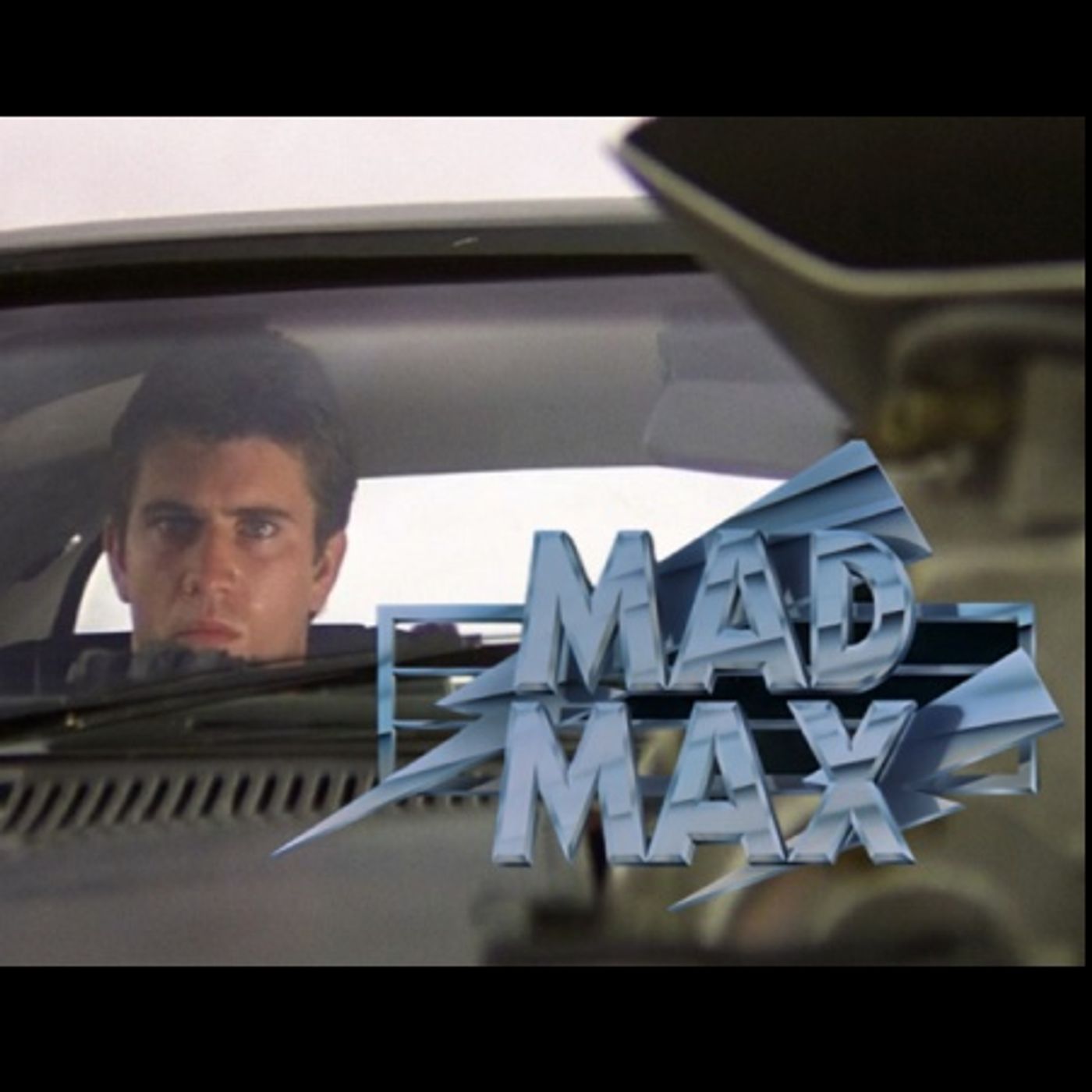
 Our limited series, "A Film at 45" is back to celebrate the 45th anniversary of the films of 1979. We're dusting off the end of a decade that changed cinema forever, with a fresh look at modern classics and hidden gems that we can't stop watching! On this episode, David and Scott take a look at the film that launched Mel Gibson's career and set the standard for post-apocalyptic action; "Mad Max."
For exclusive episodes and content, check out A Film By... on Patreon! with a FREE 7-day trial!
Check out www.afilmbypodcast.com/ for more information.
Email us at afilmbypodcast@gmail.com with your questions, comments, and requests.
Find us on X Twitter, Instagram, and Facebook @afilmbypodcast.
0:00 Hello everyone, and welcome back to nineteen seventy nine in a Film Buys limited series A Film at forty five. I am David Burns and I'm Scott Hoffman with this limited series from a Film by a Podcast where we're dusting off the end of a decade changed cinema forever with a fresh look at modern classics and hidden gems that we can't stop watching. In this episode, we're going way back before Thunderdome, at least four rest stops before Fury Road, and talking about the start of cinema's most maniacal road trip, Mad Max. At least eight people who don't believe and he aroes anymore. We'll damn them. The chain in those handcuffs, it's high ten single step, take you ten minutes to heck through it with this. Now, if you're lucky, you can heck through your ankle in five minutes. He rules the roads. Were heading to a post apocalyptic world in a story that started it all, the story that would give us a man named Max and introduce the world to an actor known as Mel Gibson. We are, of course talking about George Miller's nineteen seventy nine classic Mad Max. Scott, let's dive into this post apocalyptic action film. How would you describe this to someone who hasn't seen or even know who Mad Max is? Which would be hard to find. I would like as possible. In Australia's near future by nineteen seventy nine standards, the roads
1:32 are terrorized by hell bent bikers and high octane night riders. These gangs ripped through every step on the highway looking for another gallon of gas to take them on their next terror trip. The only things standing in their way are the main Force patrol, an equally hypercharged justice squad of interceptors who focus on running these gangs down. Chief among them is Max Rakatanski, which I mean, come on that last name, who finds himself going from a devoted family man to a leather clad spirit of vengeance writing on the edge of his own sanity. This is where all apocalyptic movies that follow find their inspiration. This is the story of Mad Max. So I have a confession to make, Scott, to you, to our listeners. Oh boy, I was introduced to the world of Max as a kid with seeing Mad Max to the Road Warrior first. Then I went on and saw beyond Thunderdome. Then later on as an adult, when I was working at Suncoast, I went back and saw Mad Max to fill in the gap. So let me tell you how weird and strange the first Mad Max felt to me at that point, because what I had seen in the others, you know, was really that post apocalyptic that you get in those films. When I went back to this one, I mean, it is post apocalyptic, but you still get some normality in this, right, There's some normal things that are happening. You've got families, stuff like that with Max. So I didn't get that the way I
3:04 watched these movies. So this movie felt strange to me. I will say that I had a similar experience, but a different perception of it. So first experience exposure to Mad Max was beyond Thunderdome, which is awesomely weird but awesome. It was one of those you know, it's on heavy rotation on HBO or Showtime or whatever my family had for Cablin at the time. That and Starman just you know all the time. But going from that to Road Warrior and then going from that to Mad Max, so I kind of went in a reverse order. For whatever reason, I think at the time I saw that The Road Warrior was you know that Beyond Thunderdome was a sequel to The Road Warrior. So I was like, oh, okay, I'll check out The Road Warrior because I didn't associate it with Mad Max. Two right, titles get kind of weird. So when I saw Mad Max, it felt to me like pre apocalyptic. It's just on the edge. If this was one episode before the first episode of Walking Dead, that's what this would be exactly. It's interesting because a lot of times when there's some kind of apocalyptic movie, there's an event, right, it's the virus, it's a bomb, it's some kind of war, and everything else like that. It's kind of interesting that this was inspired by a gasoline crisis in Australia in nineteen
4:38 seventy three. So the writers of the movie decided, well, what if that goes completely pear shaped and follows it to the nth degree. That makes sense learning about that kind of put the pieces together, because what's puzzled me about all these movies is what happened that tore everything to shreds And why is so way is everybody so focused on getting gasoline? Yeah, Like because they're trying to get to that next destination because they're trying to chase down water. I just never understood it until that little nugget put it all together. And that makes perfect sense when you look at it that way, and you know, the genius of the writers to come up with something like that that everybody's after that gasoline, and you know, it is a theme that you know goes throughout Mad Max, and that makes sense when you think about it.
5:23 But you know, but you know this movie, you know, we see Max as kind of a normal guy, right, you know, he he has a family, He works with the m f P, who I like to refer to as the mother efing Police, which I know that's not who they're called. It's the like Main Force Patrol, but I mean they've got on there. Yeah. But you know, of course we get this motorcycle gang ran by toe Cutter, a name of all people, his mother must be proud, who is going around causing problems, you know him. He kills Max's wife, Jesse and their child, you know, which is basically sending Max into the madman. You know that. We know when I saw this in reverse order, you know, when I saw this when I was like, oh, so that's how he got hurt, and he has the brace on his knee. You know that makes sense now, those kind of things. But you know, this film opens up with that that really cool least chase. You know, that car carries on for a while. You know, we kind we can kind of get really glimpses of Max, you know, in his car, sitting there waiting as the other as the other MFPs are chasing until you know, they all crash and were basically out of the chase and they reach out to him, and you know, then he enters the chase. I love that shot after the car, you know, veers out of control and slams and blows up and Max is out of the car and that camera like kind of moves in on him right there. You get the full reveal of Max right there. I love that shot. Yeah.
6:43 Yeah, And I think we're starting to see some kind of proto rigs from lethal weapon in this right where he's that that officer who's on the edge and his his methods or what everybody kind of faults to when when nobody else can stop them. So you read this frantic first scene with the night writer, that's just blowing through the rest of the patrol, right, and yeah, then you finally get Max, who's able to stop them. But it's not in a hyper violent way. I guess depending on your perception of it, it's a pretty violent crash, but it's not like he you know, goes to the links that he does at the end of the movie. It's also interesting how much controversy that violence caused, with this movie being banned in several places for a long time. But it's all implied violence, like aside from the bug eye thing, if you know what I'm talking about, I do write that kind of it's almost like a Looney Tunes like you know that they're going to slam into death. But yeah, it's it's a lot of implied violence and big car crashes and in this era, car crashes were expected, and I'm sure there's we'll probably see some car crashes and car chases and Kramer versus Kramer. Yeah, yeah, when do we talk about that eventually?
8:15 Maybe, But it's just interesting how that that arc kind of goes, and that the changes that you see in Max over the course of the film. Yeah, and then implied in violence that you're talking about, even when they go after that guy and her girlfriend in the car. You don't see them do anything to them, you know, you just get what happened afterwards, where you know, she's chained to the guy and you know those kinds of things, which I think was what Johnny the Boy, Johnny the Boy, I believe it was. Yeah, yep, who they who? They got right there, So there really was not showing any violence. You're just getting the after effect of what had happened. So yeah, it was really strange that some countries really banned that. Yeah. Well, and even then that I'm sure we'll get that blood pressure up. Was in that first sequence when we see the night rider going through that town and there's the kid that kind of tuddles out in the middle of the road. Yeah, I'm sure that there's a lot of Like I'm maybe they couldn't watch it, Maybe they covered their eyes to right, you know, I didn't want to see the kid get run over. But yeah, I really had visions of pet cemetery right there when the little kid came running out there, like, oh yeah, yes, exactly, the guy, I don't want to see this come on now. But luckily it turned out better than we were imagining it to be I suppose so. Yeah, But now let's let's let's talk a little bit about Mel Gibson. I mean, he is the man who really didn't have much going on for him at this point. You know, he was a couple of TV series, I believe episodes before he got this role.
9:45 I think he was still in he was still a student for drama when he got this role as as Max. And I think he's paid like ten thousand dollars for this role. But what a great move for Mel because this really shot him into stardom for the entire world. For American audiences, we got to know who Mel Gibson was because of this film, and we know the history of Mel Gibson with the movies he's done after this, right, And I mean, obviously he's had more than an action career, right, He's done a lot of dramatic work. He's done a lot of comedy yep. And you know, obviously there's there's controversy around there, but as far as his his main role, I would say he's most known as an action star, yes, right, without a question. And at the time, you know, the things that I've seen from him before it was more like, you know, the handsome face, right, somebody who probably had the looks of a leading man but hadn't been defined as you know, what makes him stand apart, And this one truly did. And yeah, it was a bold move. Really. A lot of credit goes to George Miller there, oh yeah, for creating this kind of role, but you know, not to take away any credit from himself, who who pours that intensity into these roles. A lot of his action roles get into that man who's just kind
11:20 of you know that he's close to the edge and then people just put him right over it. And he has that when he turns into Max when he you know, well he's always Max, when he turns into mad Max, right with the leather outfit and all this other kind of stuff. Yep, he goes into i think the hospital tech and said that zombie mode right when it's just this dead expression and that full intensity. We see that in a lot of his movies to follow, and this is absolutely where it starts. Absolutely, this is a good one. Yeah. And he was only what twenty three years old I think when he made this movie, so really young.
12:00 Mel Gibson, he was an unknown at this time. And so he was so unknown that he really wasn't even in the trailer of this movie when it came over to America because it was mainly like the car chases and the you know, the Rex and stuff like that to get the audience because no one knew who Melkibson was, right, well, even the US poster, right, it's very iconic, very recognizable. But aside from it, wearing the bronze, you know, having a badge yeah on the lapel, and wearing leather, it's got nothing else to do with Max. He never wears a helmet, he never wears any of that stuff. No, it almost looks like a you know, Star Wars Little Brother, yeah, kind of pose with the with the gun in his hand. So it's kind of a shame that when it came to America that there were decisions like that not to put his face, because I think the trailer would have benefited from showing his intensity, right. But it's also a shame that when it was brought over American audiences, they replaced the dialogue to get rid of Australian colloquialisms and redubbed it to get rid of Australian accents. Now I'll admit, if I didn't have subtitles on, I might have a hard time going through it. Not that I could understand the dialogue, but when it's a lot of colloquialism, She's like, wait, what does that mean? And I'm kind of reading for it, right, I think it's it's much better and it's your original form. Oh absolutely. And even even when I the version I watched you,
13:35 I had to turn the audio up a little bit because some of the dialogue is really low in this film. Yeah, and it's tough to understand what they're saying. But yeah, I mean, there's no way I would have been happy if they had dubbed it over today. There's no way I want to watch that film, No way, exactly. Well, and interestingly, you know, even though as we're talking about dialogue, it's not something that Miller was really focused on using so much as a driver of the story, right, there's an aspect of this it's almost like a silent movie with sound is something I've heard it referred to before, like the limited dialogue purely a visual storytelling. I'd be curious to know what it would be like to watch this with sound all the way down to not hear that dialogue and see how it would run through, because it does do a very good job of telling the story. You'd be able to understand the arc of there's this force that can't stop this biker gang. They eventually go after his wife and she ends up dead. He ends up exacting his vengeance and moves on. Yep So, and that's the theme that he Miller carries on into the Other Man Max. I mean, they're not dialogue heavy either. You know, you get a lot of chase scenes and you know, especially in the newer ones with Fury Road and stuff like that, again, you don't get a lot of dialogue. You just get a lot of action sequences that you're right, you really don't need. You could turn it down and just watch it that way and enjoy the film immensely. And this is just like that too.
15:05 You're absolutely correct with that. Yeah, well, let's suck a little bit more of some of the other cast. Joey and Samuel who plays Jesse, wife to Max, but obviously a very strong mother, very caring mother. She is clearly mad about Max. I really loved the sign language thing that she did when Max was leaving. I love that you know, basically saying I am mad about you. And then Max turns around and does that to her when she was going down to the beach by herself, which was a very odd move in my opinion, after what had just occurred to her. But you know what, whatever, that's besides the point, I guess. But yeah, I thought those who had really good chemistry together. Absolutely, Yeah, she's she's adorable. She is in this role you really wanted to pull through. I think it's a shame what happens to her. And she's clearly not a fan of pants right point, Like, let's say it, but she really endears you to take care about her and Max by extension, and as as much as she's you know, a very sweet and loving they're very cute, she stands up for herself. And when she stands up to toe Cutter and gives them the knee, I'm like, there you go, let's do this right. And I think she gives great performances, you know, with the dialogue and the the action sequences, specifically the chase through the
16:41 woods. Yep, that I don't know about you, but that gave me very That was very much right of the thirteenth kind of vibes. Oh absolutely, yes. It's like, so this went from a dramatic picture, from an action picture to a dramatic picture to a horror movie, back to an action picture. There's a lot of twists and turns. But even then she's like, no, I'm going to get out of this. I'm going to run for my life and maybe yeah, and protect her son. So I think she does a great job. Oh, absolutely so. Sheila Flawrence, who plays is it May? Yeah, May Swayze Yeah, May swayzey.
17:21 She was awesome. Man. How she swooped in there to save Jesse when the motorcycle gang was there and you know, lock them in the barn. You shot the shotgup, but still I was able to take all those men and push them back with that one double barrel shotgun. Yeah. And then when they tried to escape in the car obviously broke down. She gets to the back of the vehicle as the other two are trying to escape and goes to shoot them as they're coming at her. Dude, she's a bad ass. Yeah. I think that's one of the things that I noticed and I appreciated a lot. It was so cool to see May used in that way, but it also kind of sets the tone for what we're going to see in subsequent installments in this franchise, is a significant force from an unexpected place.
18:10 Right, you would expect that she's just kinda you know, tending to the house and that she's not gonna do much to to stand up to the gang. But yeah, she practically shuts the whole thing down by locking me in a barn with one gun, like that's crazy. Yeah, you're getting more badass and that that is for sure. And then of course we have toe Cutter himself, uh played Hugh Keysburn, I believe, which is really unique about this guy because he comes back in Mad Max Fiery Road and plays the Morton Joe in that movie, but he plays a really crazy dude in this film. And what I found very interesting when I was doing some research on this, he changes his accent scene to scene to make his character seem even crazier. So if you're watching this film and paying attention, pay close attention to every scene that he's in because he changes that and that is really cool, really unique idea. Yeah, and it's you can you can tell the writing for toe Cutter is what sets the tone for any apocalyptic battie in that follows in the other movies, right, the rest of the gang seems a little eclectic, but he really sets that bar. Like the one of the first scenes where we meet him, and he does kind of that almost like he's going to do a vulcan mind meld on some guy. Yeah, and that's kind of whispery lines and he's all over the place with his dialogue.
19:45 But he's absolutely, absolutely captivating to watch. He is. He's got a big presence. Obviously he's the leader of the gang, but it's it's the dynamic nature of him that makes you want to watch, not so much that he's threatening the other gang or anything else like that. They just fall in line because I think they're mesmerized by him, and that's what that's what we get in a lot of the other movies. Absolutely, the weird thing with the ice cream come on, come on, creeper, come on. Yeah, yeah, I mean really he deserved that, need, Yes he did. Absolutely I did not feel sorry for that. Yeah. Then of course we have Steve Bisley who plays Goose, which is max partner basically and becomes a crispy critter. Unfortunately in the movie, which is something else that Max uses to, you know, push him over the edge. Losing his wife and his child obviously would be the the ultimate thing that pushes him over the edge, but this didn't help that matter much at all. Yeah, I think that's one of the notes in the movie that seemed like it was really taking beats from George Miller's own experience as emergent, as an emergence as an er doctor. M hm. That's easy. Let's just see it that way. But when you think about you know, he's able to orchestrate the crash scenes and the accidents on the road based on what he had seen in his own life, but knowing what somebody is going to look like or what
21:22 they're going to kind of experience when they're in the hospital being treated, and he's got that ominous kind of tent over him with the single blue light. I thought it was brilliant that we didn't see Goose's body. We didn't, at least in the version that I watched. I didn't see anything other than Goose's hand. Yeah, That's all I saw was the hand. But you see that expression of mel Gibson, and I think it would have been less if we had seen his body, but I feel like George Miller knew the kind of experience that that can be or loved ones that see them. Yeah, it had to be absolutely horrific and obviously haunted X further on down the road. Oh, what I was wondering about Goose was we see the character of the pilot. I don't know how else to describe him, but in Road Warrior in Thunderdome, I think I'm talking about absolutely I feel like maybe that character is meant to be kind of a reminder of Goose. I can see that. Yeah, and visually the similarities between them. To me, it makes me want to watch the other movies and see what kind of connections they have. I think it's usually just like, hey, i'll help you out. I'm kind of desperate, just don't kill me, okay, right, And it doesn't seem like Max has any kind of attachment to that pilot, but you can tell that there's there's something else kind of going on there.
22:45 So Yeah, Jim did a great job. Oh absolutely did. And speaking of you, you touched base there on George Miller, who directed this film and directed you know all the men Max, He basically raised the money working as emergency room doctor. As you talked about, that's just crazy, is that not. I mean you read a lot about directors and stuff who you know, work hard to raise money for their films and stuff like that. I think George Miller is the first one I've heard who was actually a doctor to save money for his film. Yeah. Yeah, And I mean you know that's kind of a source of funding and a source for inspiration, right, Yeah. And I don't think he was necessarily exploiting that. It was just something where he was taken from his experiences knowing what people go through and going through the scare in seventy three of the gasoline crisis that also inspired it. It was kind of like, what if it's a world where this is all that you see, this horrific accident after a horrific accident and the threats of the road. Yeah. I think it's a brilliant move to do that, And I think it's cool to know that, you know, this is kind of funded by helping to save people's lives. Yeah. Absolutely, So let's look through the lens of this film, Scott. One of the things I found very interesting about this was this is the perfect movie when you're thinking about gorilla filmmaking. This movie took it to the extreme of that process
24:21 because they would close down roads and had no film permit to do that. The stunts that they were doing were so dangerous they had to do them quickly before they got caught by the police. Is that not taking gorilla filmmaking to an extreme or what? Absolutely? Yeah, I mean considering you know, the extent of the damage, like the road is painted in parts. Yeah, not body parts necessarily all the time, but you know, car parts, shrapnel, knowing that they would have to quickly clean that up. And I'm not a exactly sure how, Like did they just drive around a dump truck all day and collect things? Yeah? And crazy to think that Miller was out there doing the same thing. When there was time for the cleanup, he got right into the trenches, was as was cleaning up himself.
25:15 I know what I feel like. Eventually they got some permits and they got some permission to do it, but it takes the stones to get out there and do what they did. I couldn't imagine being a film like myself of doing something of this caliber without any permits or anything like that. Today. I mean, you've got a lot of legal issues obviously, so if somebody was getting hurt making this film, you're probably gonna find yourself in court in in a position you don't want to be in. So things were obviously, you know, different back then. But still, man, this was a major risk for George Miller to do. Absolutely yeah, but well worth it. And I mean, oh yeah, speaking of risk, like, you know, you get caught in your first scene, it shuts it down.
25:56 Now what do you do? Or even of course you're at the end and you can't film the you know, the important sequences that would crush it. Yeah, so I'm glad they were able to get away with it. Oh yeah, absolutely, Speaking of damage and gorilla filmmaking, the fact that Miller gave up his own little blue van when the crash sequences. Which one was that? That's dedication. So there is a chase scene. I don't remember if it's with Toe Cutter or a little bit later in the movie, but there's there's a little blue van that somebody recks into and it just wipes it out. Like you see it. It doesn't flip as the cars usually do when they get hit. It spins and you could see that thing just got caved in. I think that was the police chase at the beginning. I remember blue van is kind of like getting hit and spinning around. Yeah, that's exactly it. Yeah, that was okay. So aside from cleaning up the trapped on the road, risking getting arrested and having to provide the beer, I assumed that they were paying the crew with Yeah, that's that's that's dedication. That is Oh my goodness, that's again. As a filmmaker, I could not imagine going to that level, you know, to create your film using my own vehicle to be destroyed. No, no way. So this movie had a three hundred and fifty thousand dollars budget, of course,
27:26 all done by George Miller, you know, working as a doctor. This movie ended up making I think, like what one point five million or something. Ridiculous. Okay, it made It made a lot of money. This was actually the first independent movie and it was the biggest independent movie of making the most money in Hollywood until Blair Witch came along. Yeah, it held the record. Yeah, it held the right right, which I mean it didn't seem like it made I mean, in contrast, it made a little lot of money. Yeah, but it's that small budget, like it's it's Robert Rodriguez, you know, El Mariachi kind of start to exactly. Yes, yeah, same kind of thing. And I think that approach aspired a lot of indie filmmakers to take these risks and to see what kind of vision they could bring about without having to seek a lot of money into it and going to desperate measures to make it happen. Yeah, and I was incorrect, is that he Actually it made eight point eight million dollars, so it made a lot of money, especially in seventy nine money. Yeah, I mean today's I wouldn't mind that, but yeah, I wouldn't anything else do you find interesting for look through the lens? Just the last thing, you know, speaking of how they made certain sequences happened the toe cutter death.
28:59 I was interest to learn that the the big rig that eventually crashes into him that optimist looking truck. The owner of the truck I wanted to be able to do the scene, but didn't want the motorcycle wreck to, you know, to damage his truck too much, So they built a steel painted false front on the truck so that it's like a false face that you see there that actually hits the motorcycle. If you pause it just the right way, you can see a gap between that face and the face of the actual truck. It doesn't take you out of the movie, but that that takes a lot of effort, and it's a genius move to make sure that they get just the right shot, but you know, keeping it intact, basically doing that doing that person a favor. Yeah, that's a smart move because it would have done some major damage to that vehicle. But that was a really cool scene too, you know, the bug eyes coming out. You know, I'm a umanitated by that. Yeah, that's one of the things I know. There's a documentary what is it called The Madness of Maas Yep, I haven't watched it. I have needs something I want to go see pretty immediately after this to see how they did things like that, because it's so grotesque, that buggy thing, and I'm just kind of like, did they just create a false face and then just pushed the eyes through or did they find somebody that could do that trick? I hope it's the former out of
30:30 the ladder, but it will doo yeah, but yeah, I guess we'll see all right, Well, moving on Let's score the film. The score was done by Brian May. Apparently George Miller wanted a gothic sound, kind of like a Bernard Herman, and apparently Brian May, who scored Patrick in nineteen seventy eight, George Miller loved that work, so he actually hired Brian May to do this film. Some people would Nobrien made by some of his other films. He did Steal Down with Patrick Swayze, he did The Quest with Henry Thomas, Doctor Giggles, and of course Cloak and Dagger, which I know Jeff our producer loves, and for Nightmare and Elm Street fans, he did Freddy's Dead Final Nightmare. That's right. Yeah, Yeah, So you're done quite a lot of work that a lot of us would have heard for sure. Yeah. And when I find interesting to the score wasn't like overpowering a lot. It suited the scenes of what was going on quite well in my opinion, I agree, Yeah, I think it fit right into it. And considering you know what we had said before about this goes from being high action to a drama to kind of a romance kind of thing to yeah, a horror movie, back to an action movie. It never takes you out of it. No, it keeps you right in the mood for what's happening on the screen. Yeah. When I for sad that it was Brian made that composed it, I was like, oh my god from Queen
32:01 Right. No, but still impressive resume for Brian. Absolutely. Yeah, a good choice by Miller two to getting for this film. All right, quote this, I actually found a couple quotes, both of them from Miller himself. The first one I have is about the character of Max. He says he is all of us amplified, each of us in our own way, is looking for meaning in a chaotic world. He's got that one instinct to survive. And he says after the first Mad Max seven nine, we went to Japan and they said, we know this character. He's a ronin like a samurai. In Scandinavia they called him alone wondering Viking. To others, he's a classic American Western figure. When you think about that, it's really unique and it makes sense, especially when you watch all the Mad Max It's like, wow, that all of that makes sense. That's pretty neat all in one character. Yeah, and I think it would be interesting, you know, we always talk about why we do this kind of series.
33:04 Knowing that Furiosa is coming out pretty soon, I think what you just said is a great reason to crack this one open again. Yeah, especially with that timing, because I think Furiosa is probably going to continue the same kind of tone from the franchise and that same kind of feeling that you're just describing. I think it's very much going to come across in Furiosa. So to see where that kind of begins with this movie, I think it's a perfect time. Yeah. And then the second quote that I found with Miller on basically filmmaking itself. He says, the way I think of filmmaking, it's such a seductive thing. It encompasses every human discipline you can imagine, composition, art, technology, music, movement, and choreography. It encompasses all of life. We are the servants of the Zegist and we live in a chaotic world. There is so much information coming at you. We are trying to find residents out there to create some kind of meaning. Stories are a way of distilling something out of all that bompardment. They're a way of finding signal in the noise. That's very seductive. Very George Miller's is brilliant.
34:17 All of his films that he's done has been really well done. I would go back to Babe, which is kind of a completely different film for George Miller. What the Witches of Eastwick I believe a happy feat even for crying out loud, some very odd things for George Miller. But hey, they were all really good films. And you know, let's talk a little bit about the impact of this film since we're talking about it, and we'll go back to the rewind and what if, but let's talk about the impact of this film, Scott. We know what's going to come down the road. Here we get mad Max to the Road Warrior. We know we're going to get mad Max Fury Road, and here in this year we're getting for Firosa a Mad Max saga. Well, Fury Road was incredible. Yeah, that movie because it when when was Beyond thunderdone? Was that eighty five? I believe that was eighty five? Yeah, okay, so think about that.
35:28 The last time we saw Mad Max was in nineteen eighty five. So basically what the rest of the world kind of forgot about Mad Max, George Miller did not he wanted to bring them back in such a big epic way, and he did that in Fury Road, the cinematography, the special effects, and then he gave us a new character with Firosa, and now we're getting her saga coming up in this movie this year. Just the impact of those films says so much about George Miller and what his impact is on the film industry. Yeah, for sure. And I mean just thinking about the the style of this movie, and I know that in the movie we're talking about the first Mad Max, you get hints of this, but not a lot of that idea of the surviving the apocalypse by scavenging, right, a lot of spare parts. Yep. I think up until this point, when we would see apocalyptic predictions of the future, it was more futuristics with like you know, laser guns and things that were a little bit more far fetched, a little bit more kind of toward the Star Wars end of the sci fi spectrum, right, whereas this one is really you know, whatever's left is what we have. And the way that they kept ramping that up in subsequent
37:05 movies. We kind of get the start of it with toe Cutter and his gang and you can see beats of that start here. They ramp it up in Road Warrior, because then that kind of swallows up the vehicles themselves, whereas now it's kind of like, oh, I found the station, Mike, and I'm just going to drive it down the road. They start kind of amping it up and giving them more personality. It starts to look like the cars that eight Paris, right, and they keep ramping it up with every future installment. I think it was a great idea to continue it with Fury Road, but to take a break between Thunderdome and Fury Road so that you had enough time to say, you're not going to see the same kind of thing, You're going to see an evolution of that, and I think giving it enough time for the special effects to be able to catch up to I think the vision that he had with Fear Road, Yeah, was a was a brilliant idea, and I'm glad we're getting it continued with Furiosa.
38:05 Oh yeah, absolutely. And I know George Miller mounted cameras on cars, uh for Mad Max, which basically putting the audience, you know, in the middle of the action, and it shows that in that film, And I know a lot of the film industry would follow suit. I mean, I'm sure probably some movies had already done that in the seventies, but George Miller really did to a further extent, uh with this, with you know, the craziness that you see with the crashes and the chasers and stuff like that in this movie that you will see a lot more later on in the film industry that was trying to match what George Miller did in Man Max. Yeah. So I want to correct myself one more time for our listeners. So the actual what this movie did worldwide was actually one hundred million dollars Scott.
38:52 I mean, it's just earning more every time you say it is it is. So it set a new record for the most profitable obviously independent film. And again, as we mentioned Blur, which would shadow that you know, in nineteen ninety nine. But yeah, I have to correct myself on that because you know, I don't want to, you know, underestimate what this movie did, because this movie took the world by storm. Yeah, and I mean, you know, I'm glad you get us back to the budget because it shows the studios what's possible. Yeah, And I think that opens up the door for Miller to pursue more work, which is fantastic yep. But it also shows that these kind of movies are worth investing in and not just having. You know, obviously it did a lot for automotive focused action, to say the least, but to show that you could take it a little bit further, that you could use that to tell a story visually, Yeah, I think it did a lot for not only in the movie industry, but I mean, we see his style and his tone emulated anytime.
39:57 You know, think about music videos that you've seen where they emulate that. There's a Tupac video that used this same kind of style, right, Yeah, it is. It's not the only way that people see the apocalypse, but it's definitely a definitive style for an apocalypse. Absolutely absolutely. So let's backtrack a little bit. Sins, We skipped a couple what ifs. In doing my research, I didn't find a lot of what if actors or anything in that deca is. Come on, this was an independent film film in Australia, so you know, they were basically going after people that they could get on such a shoestring budget that they had. But one of the things that I found interested about this is Lord Humongus, who was the antagonist in Mad Max to the Road Warrior. Yeah, that was actually supposed to be Goose. He was supposedly, supposedly has survived burning in that car wreck, and he was come back as the villain in the next one, basically seeking his revenge on everybody. Miller ended up being scrapping that early into production, which I'm glad he did because I think that would have taken something from Goose's character. If they had gone that route, I think so too.
41:09 I think it would have taken Max a little bit backward into the past as well, right, absolutely, and there probably would have been a thread about, you know, trying to save him or whatever and have that connection. I think it's better to see Max continue on this road where he's becoming more and more isolated. Yep, he's becoming more and more separated from the life that he was living and having this personal attachments. I don't think it would have done anything for us. Yeah, I completely agree, Scott. So I'm glad they scrapped that, which Miller obviously recognized that too. All right, let's rewind. Let's talk about some of our likes and dislikes and he likes Scott. We've talked about a lot. I mean, I'm fascinated by that bug eye effect. All right, I hope we see that explained.
41:58 But you know, the chase scene through the woods we've already talked about. I thought it was a brilliant addition of the scene and the fact that I was afraid we were going to have to see something terrible happen to the wife. Yeah, I think it does a great job of continuing that tension of the chase. As they continue on down the road, it seems like they've gotten away from the biker gang maybe until they find a hand chained to the back of the car. Right, it's pretty horrific. But that entire sequence, I think it was the right pace. I think it was the right amount of time to spend in it, and I think it's just brilliantly constructed.
42:39 I agree. You're trying to give your audience a little bit of catch their breath, right, just like the characters are catching their breath here. You give a little time for that to happen. They're relaxing with some family, you know, and then boom, you know, we're back into the story. We're back into the chaos and those kind of things. So, yeah, no, I agree with you. I really like that scene. The one that really stands out to me is what Max does to Johnny the Boy at the end of this film. Yeah, you know, he gives him the option. He doesn't just go and kill him. You know, he handcuffs him to the truck which is leaking gas, and of course Max sets that little trap with the lighter and then gives him the hacksaw. So you know, Max is saying, hey, okay, you know you should die here because of what you have done, but I'm going to give you the opportunity to choose. You know, are you going to hack off your foot or are you just gonna blow up with the truck? Yeah, it seems like there's kind of a double meaning to that revenge, right, So not only am I going to cook you the way that you did to Goose yep, So that's one way this could go, but I'm also going to take revenge on what he did to Max. Essentially would feel to Max like ripping off his own arm. Yeah. Right, It's like we see in First Contact, there's a scene where somebody says, well, if you're you know, if you don't want that, then go ahead and just rip it off, right. I'm not going to spoil things because as a future episode,
44:12 but knowing that he's giving them him the ultimatum like you can eat yourself for the way that my friend did, or you can suffer the way that I did by you know, going through this slow, painful process of losing something that you can't give up. It obviously has you know, beats that reminded me of Saw of course, but and and really effective because then in terms of practicality like budget and special effects, you never have to see new violence happened to the guy. But you know, he drives off into the distance, and you don't know whether he explodes with the car or saw his own foot off. Use your imagination, right, and you imagine that he might have gone through both. Maybe he decided halfway through I'm just going to give it a shot, but it was too late. That's yeah, horrific mm. I like. I like when directors are able to leave something for your audience's imagination. I think that makes your point even stronger as a filmmaker when you're able to do that stuff. So yeah, and that's why I appreciate the that there wasn't a lot of gore right in this one. If you really really really stop and break it down, there's not a lot of gore. You're not seeing parts on the highway or anything else like that.
45:29 The worst you see arguably is Goose's hand, right. But it's that tone and it's that feeling that you get from it that exactly really makes it the difference. Yep. Absolutely, well, we definitely can't, you know, skip a part that this film launched Mel Gibson's career and launched George Miller's career, sent both of them into stardom. So we definitely cannot go without without being on set. Yeah, Scott, where'd you watch? Is that? I found it on Amazon Prime And what I appreciate at what I appreciate about seeing things there as it gives you some of the behind the scenes tidbits if you can see the trivia and the X ray that kind of gets you into it. But it was it was interesting to watch it on a streaming service this time because you get that kind of that new word, that crisper definition.
46:21 I would think, yep, and I would get that with DVD, I would get that with Blu Ray. So it'll get me wrong, but I enjoyed watching it on Prime and it was it was good to know that if I want to see the madness of Max, that I could just switch right over and do so. Right, what about you, I own a copy of Mad Max. Seeing this again, it's got me the mood to go on and watch Mad Max two, and I mean, you know, just go on and on with watching the rest of them because I'm in such a mood mood for it now. So yeah, definitely something I have in the library for sure. Well, and eventually you get to Tina Turner with the big Things. Yeah, you know it, you know it all right. As always, I want to thank our listeners and hope you're excited as we continue our journey through the year nineteen seventy nine. Let us know how you saw the Mad Max films. Were you a normal person and watch them in order as you should have, or were you like Scott and I and kind of mix it up a little bit and watch them out of order?
47:19 Either way, let us know how what you think about Mad Max. If you want to leave a comment, discuss what's next, or even has suggestions, you can find us at a film by podcast dot com, a film by podcast at gmail dot com. You can find us on a film by podcast at Facebook, Instagram, and Twitter. Until our film reels start rolling again, go out, watch something new, watch something different, and who knows what you will discover next. Thanks everyone,